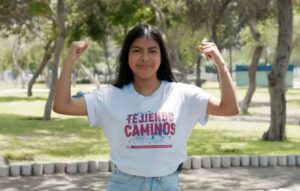
“I learned I could say no.” How education changed Fernanda’s future
Fernanda, 17, from Lima, Peru, is working toward her dream of becoming a doctor. Through workshops, she gained the knowledge and confidence to make decisions

Every child deserves the chance to learn, grow and thrive — from the earliest years of life through to young adulthood. Education and early childhood development sit at the heart of Plan International’s work, and we believe that getting both right is essential to building a fairer world for all children, especially girls.
Around the world, millions of children — especially girls — are struggling to access education. Too many girls are pulled out of school early, forced into early marriage, or simply unable to access education at all because of poverty, conflict or discrimination. And the challenges start from birth. Millions of children under five are missing out on the care and attention they need in their earliest years, setting them back before they ever reach a classroom. Without urgent action, the learning crisis will only deepen, and girls will continue to pay the highest price.
The first years of a child’s life are critical. From birth to age 8, children need nurturing care, stimulation and safe environments to develop well. We work with parents, caregivers, communities, and institutions to make sure that even the youngest and most vulnerable children — especially those aged 0 to 3 — get the care, attention and early learning opportunities they need to thrive.
As children grow, we focus on making sure they can access a quality education, stay in school and actually learn. We work across both formal and informal education settings, tackling the barriers that prevent girls and marginalized children from getting the education they deserve. That means making schools safer and more inclusive, supporting teachers, improving learning materials, strengthening how schools are run, and advocating for laws and policies that benefit all learners.
Across our education work, gender equality is not an add-on — it is built in from the start. We design our programs to challenge the norms and systems that hold girls back, and we actively involve young people as leaders and advocates, not just as learners. Because girls and young people shouldn’t just benefit from better education systems — they should help build them.

Fernanda, 17, from Lima, Peru, is working toward her dream of becoming a doctor. Through workshops, she gained the knowledge and confidence to make decisions
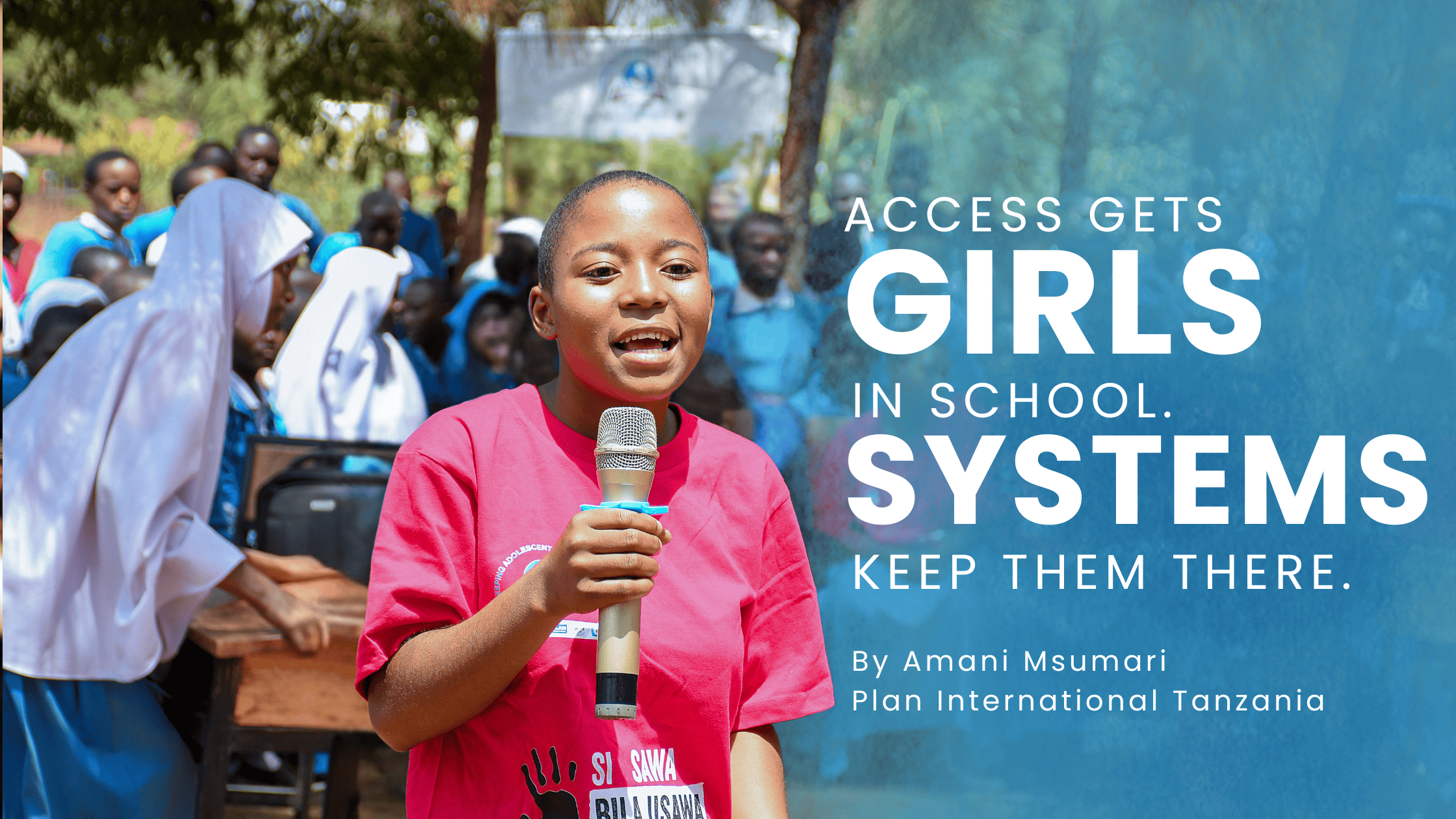
A girl leads a community dialogue session in Tanzania, speaking to peers and community members on gender equality and girls’ education. | Lilian Mmbaga, ©
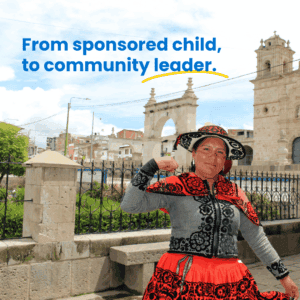
Jessica grew up in Plan International’s sponsorship program in Peru. Today, she is a community leader, volunteer and soon-to-be district president — showing how investing in girls creates lasting change.
“My hopes for tomorrow are to continue my studies, to have diplomas, to have a job and a better future.” — Catherine, age 16
A drone attack hit a school in Shukeiri village on Wednesday, killing 17 people — mostly schoolgirls. Other civilian infrastructure, including a health centre, has
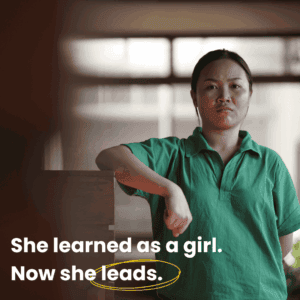
Aprille survived a super typhoon at 13. Today she is a teacher and climate advocate helping her community prepare for the next storm. Her story shows why girls’ education is the foundation of women’s leadership — and why International Women’s Day begins with girls.
International Women’s Day 2026 highlights rights, justice and action. Learn why girls’ education is the foundation of women’s equality and economic growth.
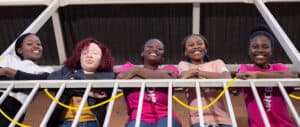
Ahead of International Women’s Day on March 8, Plan International is calling for sustained investment in girls’ education as a powerful path to women’s equality and lasting justice.
Plan International is deeply alarmed by the escalating military conflict in Iran and the Middle East, which puts children at grave risk. Of particular concern
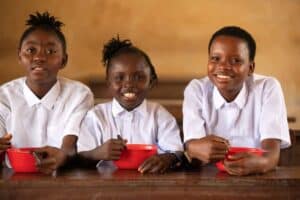
February is Donor Love Month at Plan International. It’s our time to celebrate you! Every day, you bring hope, opportunity and joy to the children