Every year during the 16 Days of Activism, we dust off the same conversations about gender-based violence. We get the same statements, the same stats, the same hashtags. But somehow, the internet — where a huge part of girls’ lives actually happens — barely enters the chat.
Meanwhile, online abuse is rising fast — faster than the protections meant to prevent it. And while better design is part of the solution, policy matters too — laws and protections that make sure young people aren’t navigating digital spaces without guardrails. And unlike the offline world, there’s no teacher, neighbor or even a half-attentive adult to step in. A digital ecosystem — from platform design to policy — is trying to keep up with harms that move faster than the systems meant to prevent them.
Girls have been saying it for years: digital spaces don’t feel safe. They’re told to “be careful,” “watch what they post” and navigate a digital landscape full of risks they didn’t create. And if something goes wrong? Accountability is often nowhere to be found.
Online gender-based violence isn’t a glitch or a “tech issue.” It’s violence. Full stop. And it’s undermining girls’ mental health, confidence, education and leadership — in ways we still don’t talk about enough.
So, let’s talk. Here are five ways it’s showing up, and what needs to change.
1. Sextortion and grooming are exploding — and girls are being targeted younger than ever
Sextortion happens when predators coerce girls into sharing intimate images — then threaten to expose them unless they comply with more demands. More pressure. More fear. More harm.
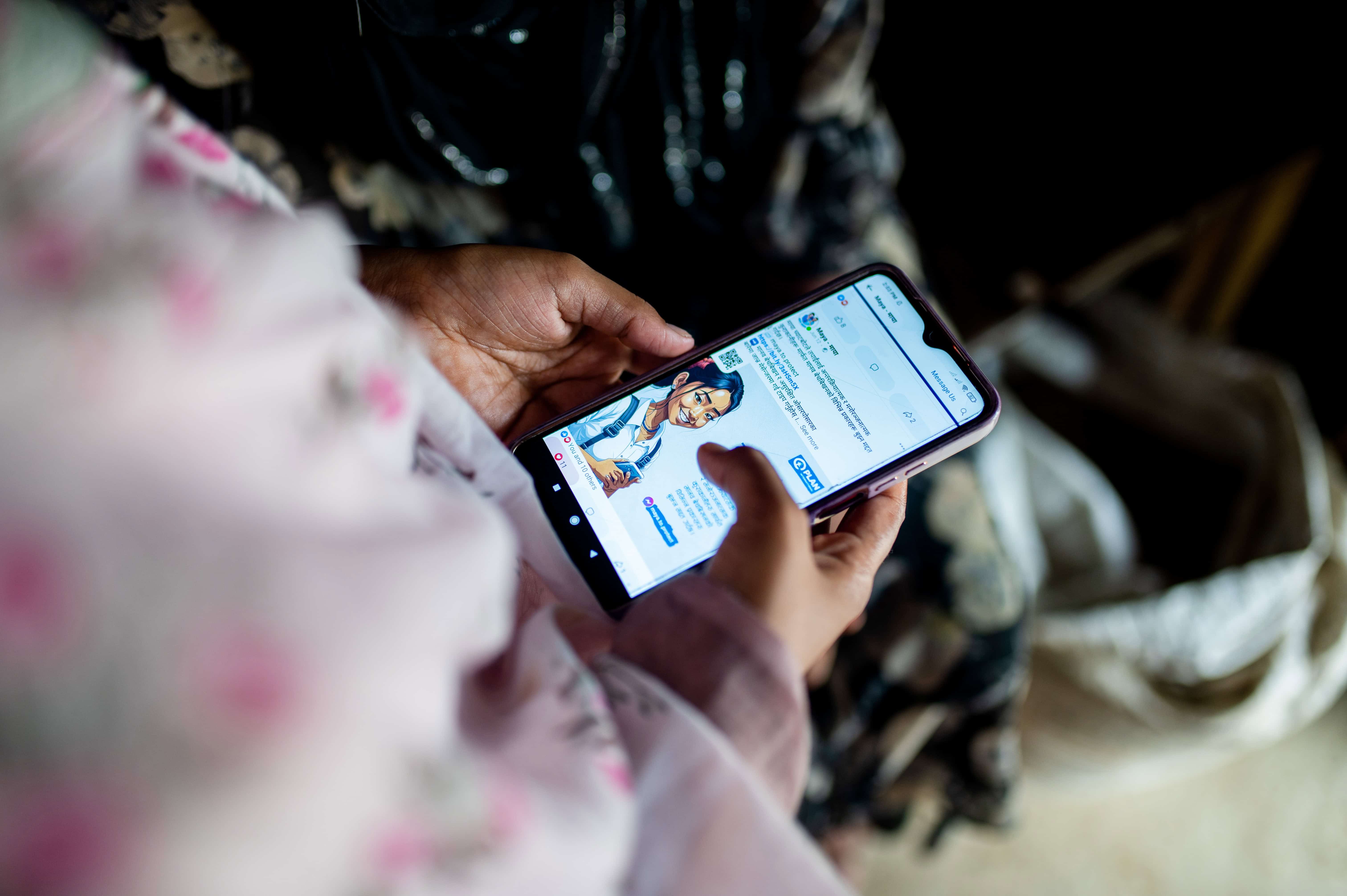
And it’s not happening on obscure corners of the internet. It’s happening on widely used apps and platforms, where disappearing messages, anonymity and limited safeguards create the perfect environment for abuse.
What needs to change
Maybe — just maybe — this is the moment to strengthen the systems that prevent harm before it happens, not after. Girls need early-warning tools, trauma-informed reporting and design that prevents grooming pathways. These recommendations echo what girls shared directly in our Building Digital Resilience research conducted in partnership with CNN As Equals — the same gaps young people continue raising in policy spaces as they call for protections that keep up with evolving online harms.
2. Image-based abuse is becoming normal — and AI is making it worse
Nonconsensual sharing has been around for years. But now, girls don’t even need to send a photo for a fake one to appear. Thanks to AI, digitally manipulated sexual images can be created in minutes and spread rapidly. No consent. No awareness. No control.
And here’s the reality: many platforms are still playing catch-up.
This isn’t hypothetical — it’s exactly what’s driving our advocacy for the Take It Down Act, which now gives minors a pathway to remove sexual images of themselves from the internet. Our Youth Advisory Board has been vocal about what comes next.
What needs to change
We need enforceable protections that prevent platforms from hosting manipulated sexual content of minors — whether AI-generated or not.
3. Cyberbullying and harassment are pushing girls out of the conversation
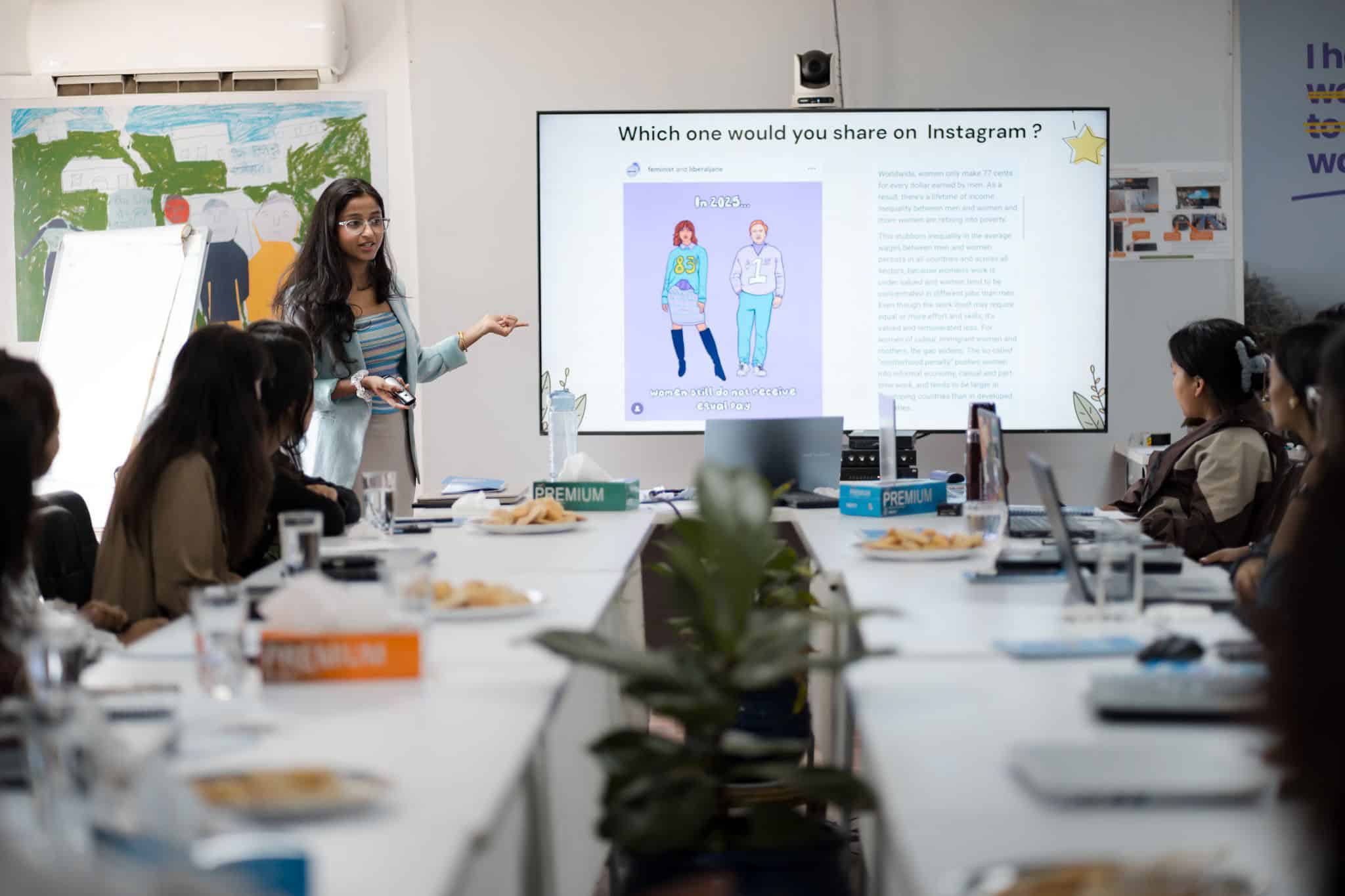
Girls want to show up online the same way boys do — to share ideas, lead movements, be funny, exist. But when harassment becomes routine — the comments, the DMs, the pile-ons — a lot of girls just log off. And honestly, it’s not hard to understand why.
This isn’t just annoying. It’s strategic — and deeply harmful.
This mirrors what girls shared in our 2025 State of the World’s Girls report: online harassment chips away at girls’ confidence, voice and leadership long before adulthood. And as we explored in our blog on why girls’ safety is the missing link in economic empowerment, that loss of safety — online or offline — has ripple effects on their education, opportunities and long-term economic futures.
What needs to change
Better moderation, clearer consequences and platform rules that protect young users — not silence them.
4. Digital stalking and coercive control are hiding in plain sight
Coercive control doesn’t always look like yelling or threats. It looks like:
— “Send me your password.”
— “Turn on your location.”
— “Show me who you’re talking to.”
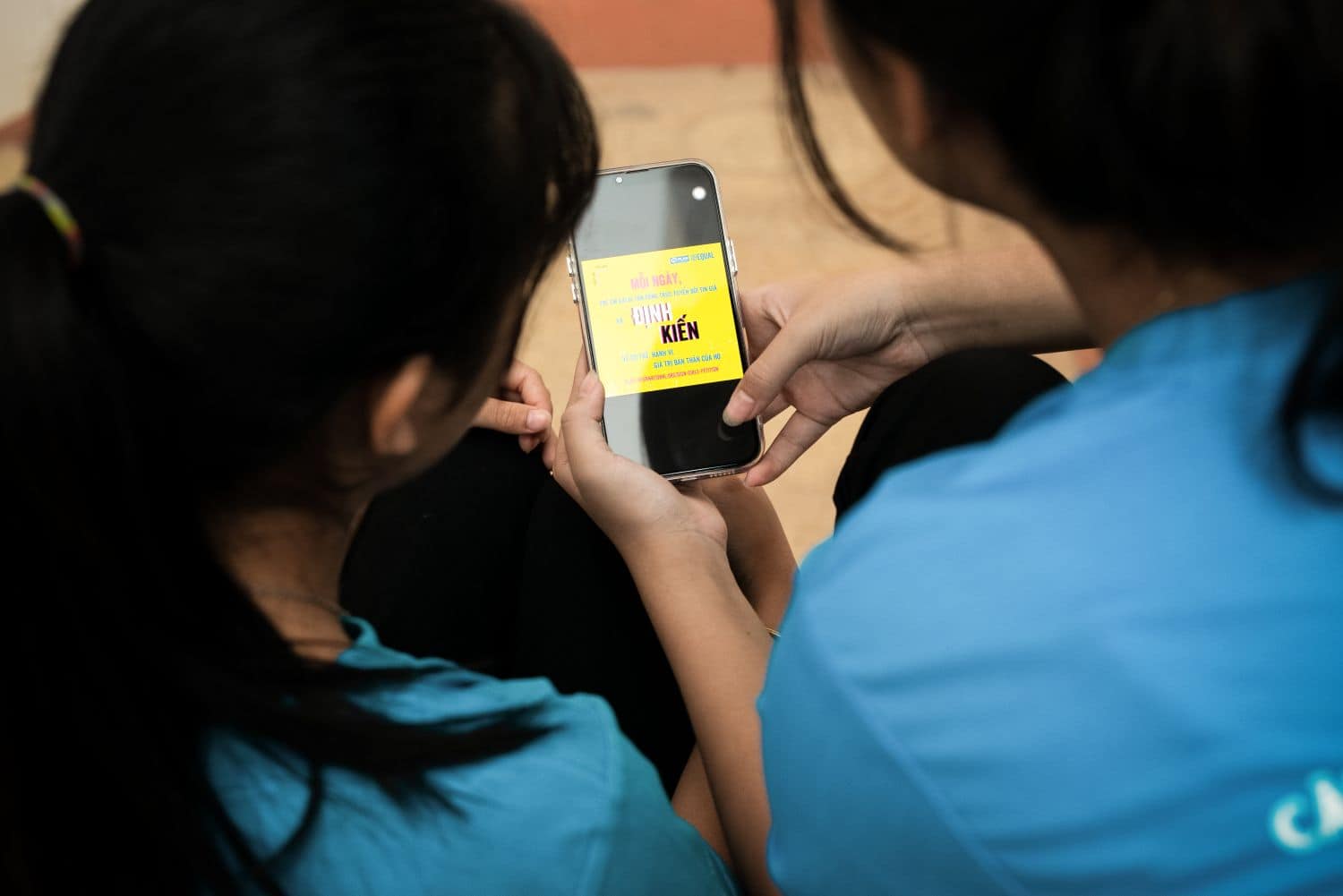
Especially in early relationships, it often shows up as concern or “protectiveness.” In reality, it’s surveillance and manipulation. Digital coercion is emotional abuse — and it escalates.
Plan’s work on online exploitation shows how everyday digital features can be misused in ways that put girls at risk. Our team breaks this down in blogs like this one on recognizing trafficker tactics online, which shows how traffickers and exploiters use social platforms to target young people.
What needs to change
Digital literacy needs to reflect girls’ lived realities, and platforms must build safeguards that prevent these features from being misused.
5. Platforms weren’t built for girls — and it shows
The internet wasn’t designed with girls in mind. In fact, most platforms weren’t designed with young people in mind at all.
The result:
— Algorithms that amplify harmful content
— Public-by-default settings
— Hard-to-find safety tools
— Reporting systems that don’t meet young people’s needs
Girls have been clear about what they want: privacy by default, real control over their content, fast reporting systems and transparency.
What needs to change
Safety-by-design shouldn’t be optional. It should be the baseline.
Policy matters too: Take It Down + KOSA
Let’s be honest: none of this works without policy. Platform design can only go so far if the rules themselves don’t protect young people. And finally, we’re seeing real movement.
The Take It Down Act is now law — a major victory that gives young people a pathway to remove sexual images of themselves from the internet. Now the real work begins: ensuring the law is enforced and implemented in ways that genuinely protect minors.
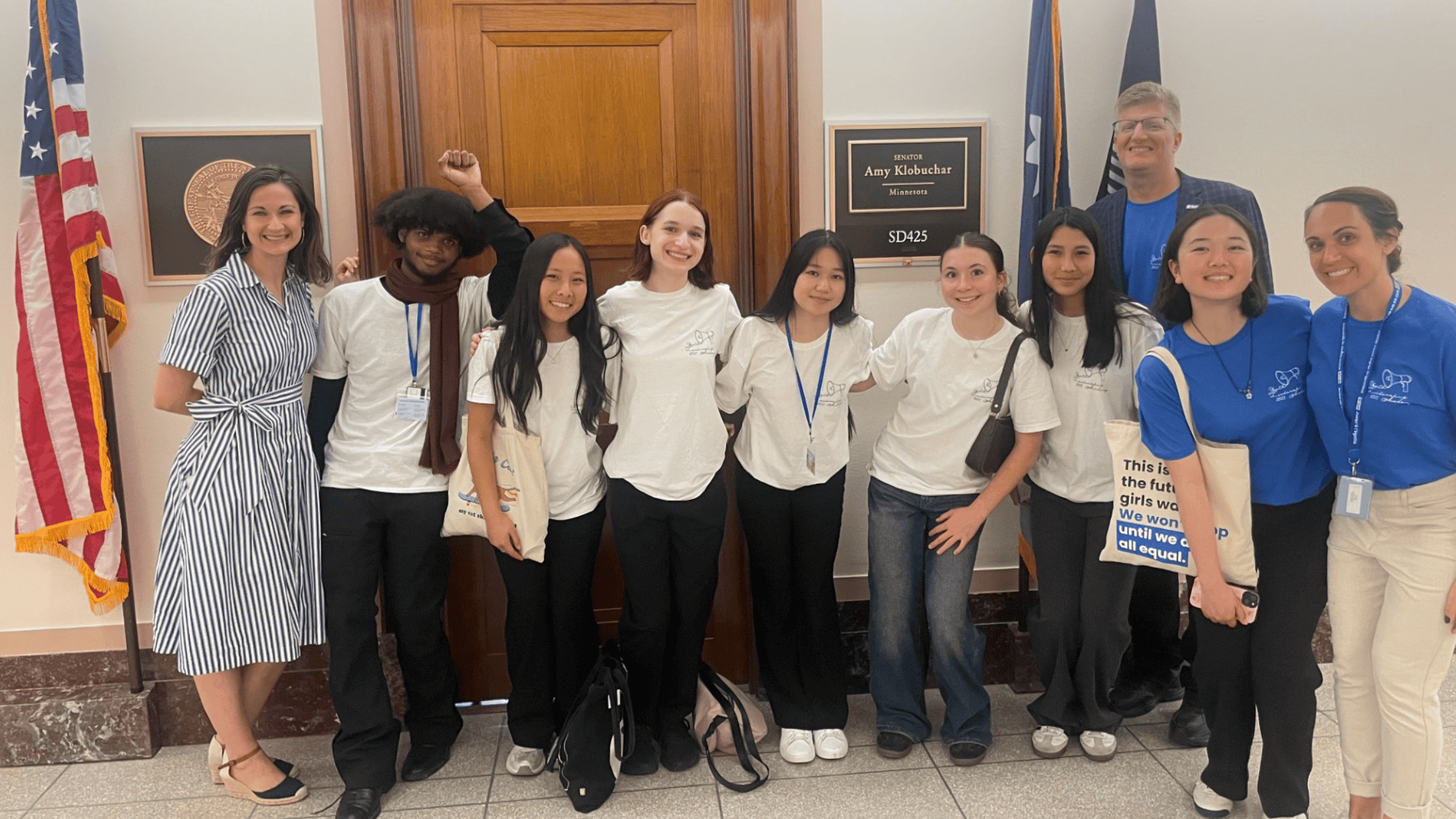
And in the U.S., Plan’s youth advocates continue to support efforts like the Kids Online Safety Act, or KOSA, legislation that would require platforms to reduce the risks their systems pose to young users.
Girls deserve online spaces where safety isn’t an afterthought — it’s the design principle.
The good news? Girls are leading the fight
Despite everything, young people aren’t waiting for someone else to fix this. They’re building tools, launching campaigns and pushing policymakers.
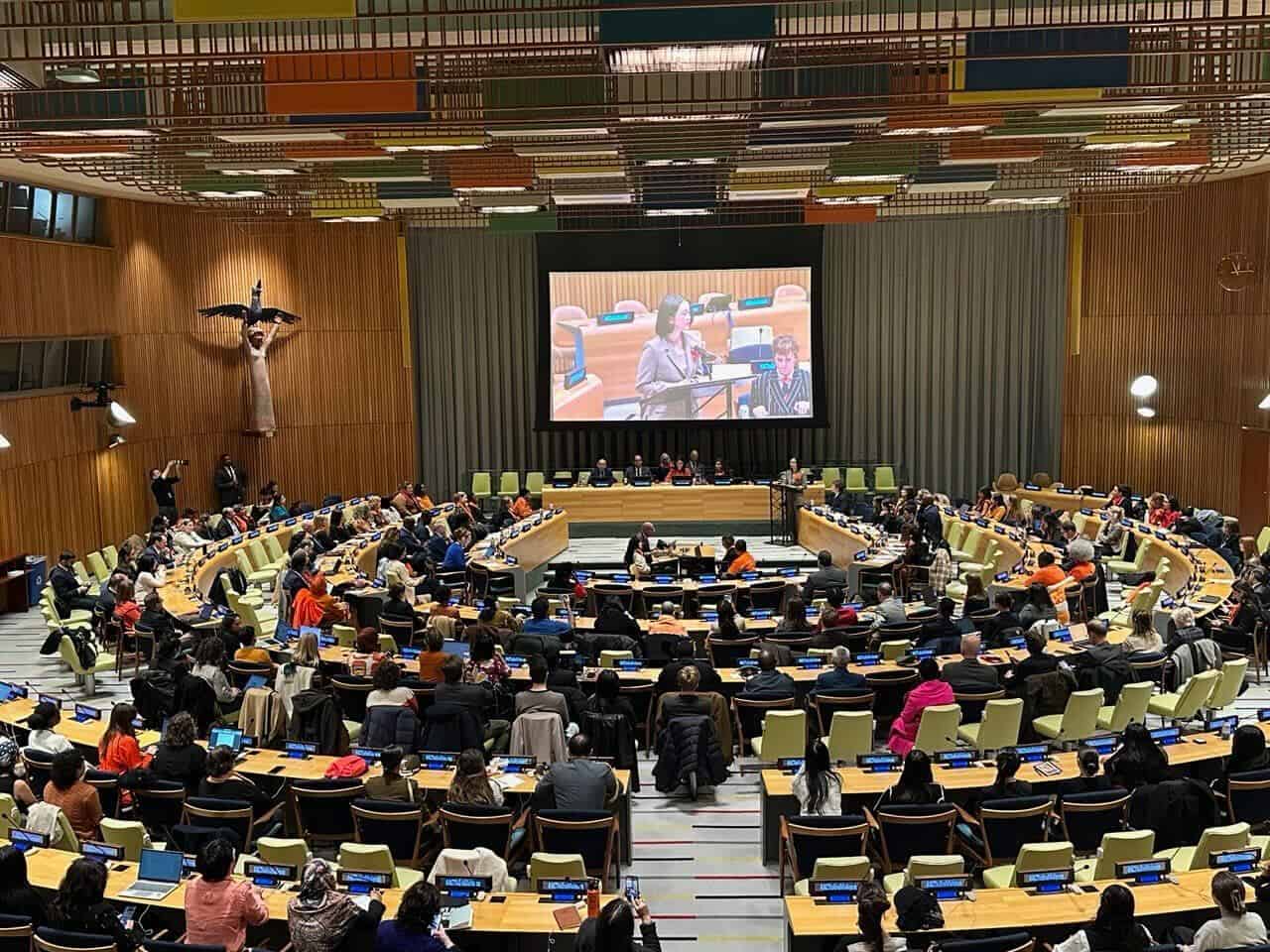
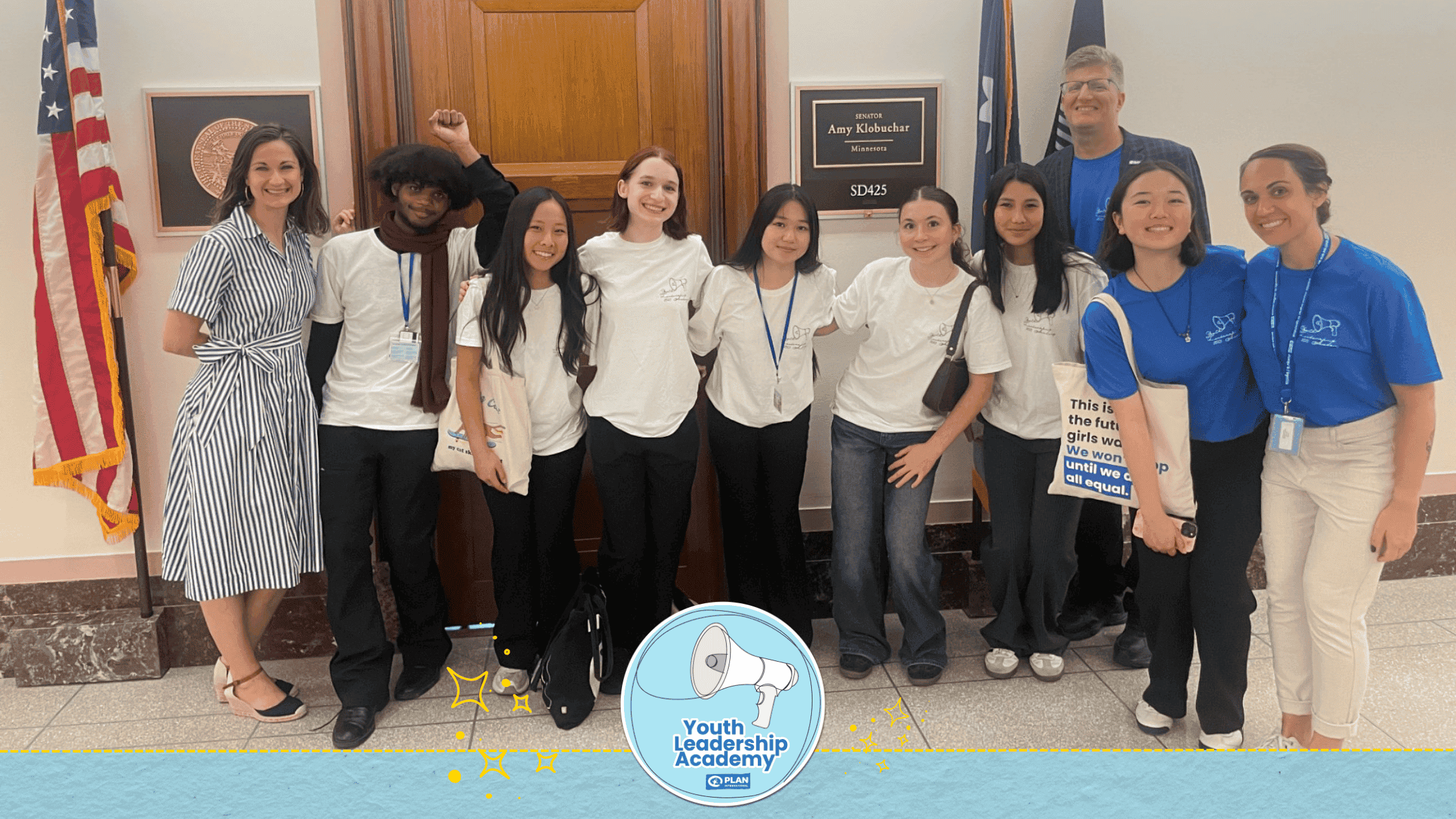
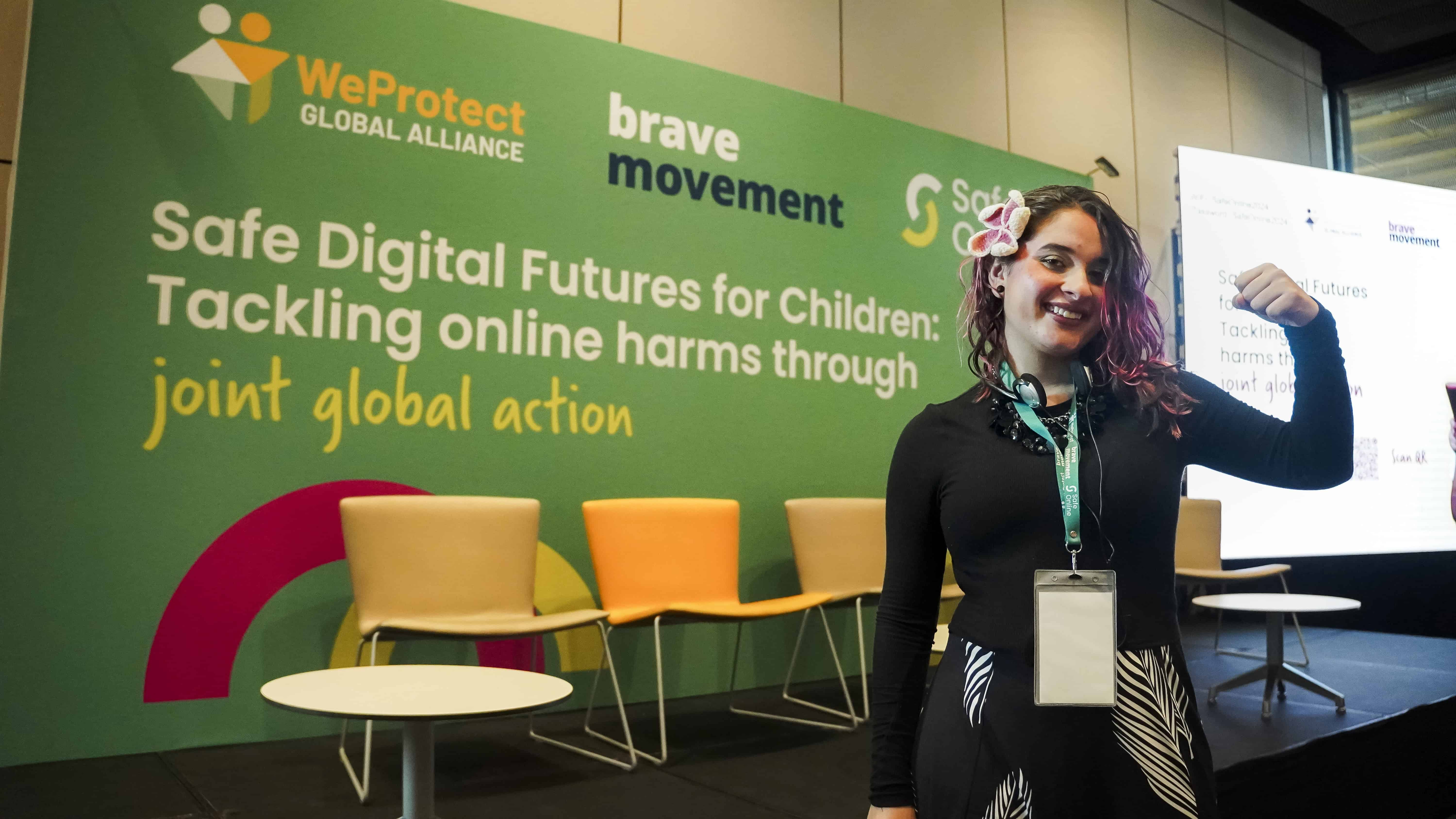
Youth leaders like Mona, a graduate of Plan International USA’s Youth Leadership Academy and Youth Advisory Board member, are shaping national conversations on online safety — from presenting recommendations for President Biden’s executive order on artificial intelligence at the White House to speaking at USAID’s Protecting Children and Youth from Digital Harm Symposium. As the founder of the Digital Online Safety & Empowerment Initiative, she’s raising awareness of technology-facilitated gender-based violence and empowering her peers with tools to navigate online spaces safely.
Because girls aren’t just asking for safer spaces. They’re designing them.
So let’s not leave the internet out of the conversation — again
Online abuse is real abuse. It causes real harm. And it deserves real solutions.
Girls deserve digital spaces where they can speak, learn and lead without being harassed, monitored or exploited.
The research is there. The technology is there. The lived experience is impossible to ignore.
So the question isn’t whether we can fix this. It’s why we haven’t.