
Devex: As aid dries up, Plan International accelerates support for women
Global funding for women’s organizations is in crisis. Ninety percent have faced cuts, and nearly half expect to shut down by 2026. Plan International CEO

When disaster or conflict strikes, the most vulnerable people pay the highest price; and among them, girls and young women face the greatest risks. They are more likely to be pulled out of school, more vulnerable to violence and exploitation and less likely to receive the support they need. We work to change that, responding to crises around the world with girls at the center of everything we do.
We respond where the need is greatest, delivering life-saving support across five core areas. We work to keep children learning in the middle of a crisis through emergency education programs and early childhood support. We create safe spaces for children and provide mental health and psychosocial support to help them process trauma and rebuild resilience. We deliver maternal and child health services, tackle malnutrition and ensure communities have access to clean water and safe sanitation. When families lose everything, we provide emergency food assistance and help communities rebuild their livelihoods through cash support, skills training and enterprise recovery. And because the best response to a disaster is to be prepared before it strikes, we also invest in disaster preparedness; working with communities, schools and local partners to build the knowledge and systems that reduce risk and save lives.
We recognize that humanitarian crises affect girls and young people in distinct ways, therefore we deliver principled, needs-based responses while ensuring an inclusive approach that leaves no one behind. In every humanitarian response, girls are not just recipients of support — they are leaders, advocates and decision-makers. From designing programs to leading community preparedness efforts, we actively engage girls, young women and other vulnerable groups as agents of change in their own communities. Because truly effective humanitarian response doesn’t just meet immediate needs — it builds the resilience, skills and confidence that helps girls and communities recover, adapt and thrive long after the crisis has passed.
Our global programs are made possible by donors who believe in building a world where we are all equal. Explore ways to join our mission as a donor.
We work with partners around the world, from local community groups to global organizations. If you share our belief that every girl deserves the chance to fulfill her potential — we’d love to hear from you.

Global funding for women’s organizations is in crisis. Ninety percent have faced cuts, and nearly half expect to shut down by 2026. Plan International CEO
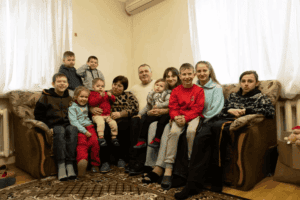
Yuri, 54, and Nadia, 49, with their foster children. | © Plan International / Mirja Vogel In a small, rural village 50km outside the central
A drone attack hit a school in Shukeiri village on Wednesday, killing 17 people — mostly schoolgirls. Other civilian infrastructure, including a health centre, has
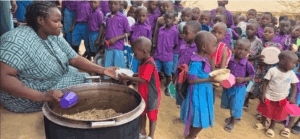
Girls share a meal of rice, lentils and dried vegetables at school in Kilifi County, Kenya. For many, it is the only meal they will
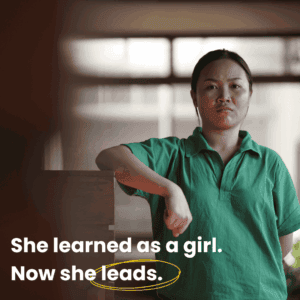
Aprille survived a super typhoon at 13. Today she is a teacher and climate advocate helping her community prepare for the next storm. Her story shows why girls’ education is the foundation of women’s leadership — and why International Women’s Day begins with girls.
Plan International is deeply alarmed by the escalating military conflict in Iran and the Middle East, which puts children at grave risk. Of particular concern
Four years into the war in Ukraine, children continue to face trauma, disrupted education, and displacement across Ukraine and Eastern Europe. As the crisis shifts from emergency response to long-term recovery, sustained investment in mental health, protection, and education is critical to prevent irreversible harm.

Children across Ecuador, Peru and Bolivia face daily risks just to get to school. Part 2 of School Matters explores how safety, distance and economic pressure shape who can keep learning.
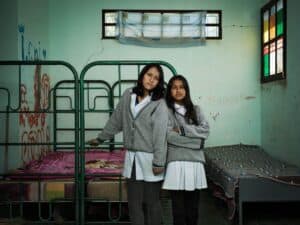
Children across Bolivia and Peru are traveling farther and facing greater risks just to stay in school. This photo essay explores what access to education looks like when safety, distance and resources are not guaranteed.

Plan International responds to growing uncertainty around US foreign aid funding as Congress debates whether statements and actions will protect global development priorities.
Don't let a funding gap cost girls their futures — give before the fiscal year ends on June 30.