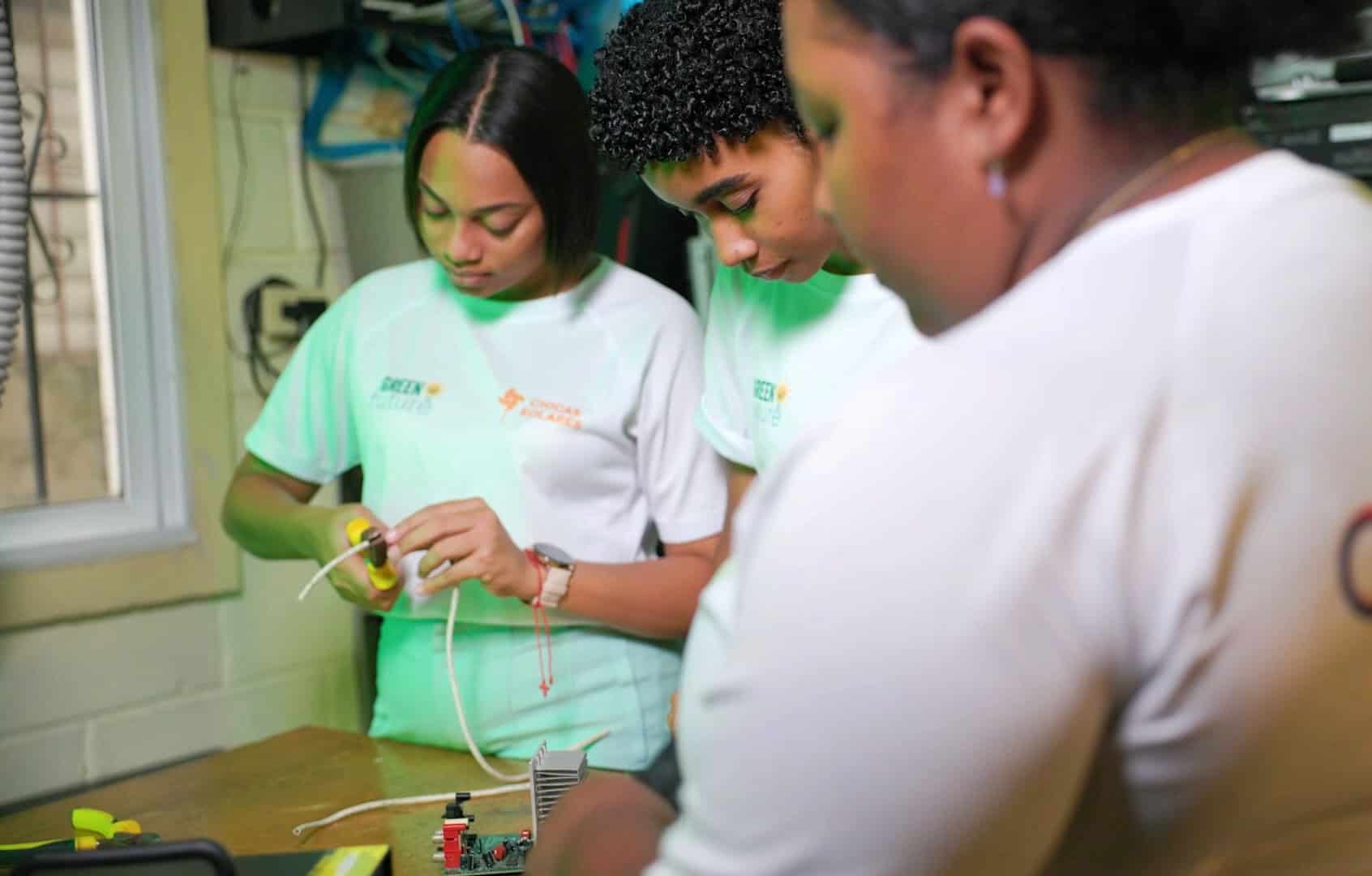
She thought solar panels were a man’s job. Then she installed one.
“I thought, ‘How can a woman do a man’s job?’” Melany says. “Even more so with solar panels. But I decided to motivate myself and

Economic independence changes everything for a girl. When young women can earn a living, manage their finances, and make their own choices, they are safer, healthier, and better able to shape their own futures. Yet across the world young people, especially girls, face barriers to economic participation. They are expected to shoulder the burden of unpaid care and domestic work and face discrimination that locks them out of jobs, finance and opportunity. We work to change that.
For millions of young women, the path to economic independence is blocked at every turn. Harmful gender norms mean that girls are often pulled out of education early to care for families, leaving them without the skills or qualifications to access decent work. Many have no access to savings, credit or financial services. Others live in communities where women owning a business or earning their own income is actively discouraged. And as climate change disrupts livelihoods and food systems, it is women and girls who are hit hardest and have the least support to recover.
We work with young women to build the knowledge, skills and confidence they need to access economic opportunities and make informed decisions about their own lives. That includes financial education and literacy, access to savings and loan groups and linking young women to finance and business support services that are designed with their needs in mind.
We also work to improve household food security — because when families have stable incomes, they can access the safe and nutritious food they need. Recognizing that climate change is increasingly threatening livelihoods, we support women-led climate resilience efforts and create pathways into green jobs and green skills, making sure young women are part of the transition to a more sustainable economy.
None of this works without tackling the deeper norms and systems that hold girls and young people back. That’s why we work alongside communities, governments and partners to challenge the attitudes and policies that limit young people’s economic participation — because supporting individual girls only goes so far; the world around them must change too.
Our global programs are made possible by donors who believe in building a world where we are all equal. Explore ways to join our mission as a donor.
We work with partners around the world, from local community groups to global organizations. If you share our belief that every girl deserves the chance to fulfill her potential — we’d love to hear from you.

“I thought, ‘How can a woman do a man’s job?’” Melany says. “Even more so with solar panels. But I decided to motivate myself and
A Youth Advisory Board member reflects on lessons from Bangladesh and Jordan, sharing how women’s leadership, education and economic access shape lasting change across communities.
As we continue to celebrate International Women’s Day, we are inspired by powerful women, like Ruth, who overcome all odds to follow their dreams and
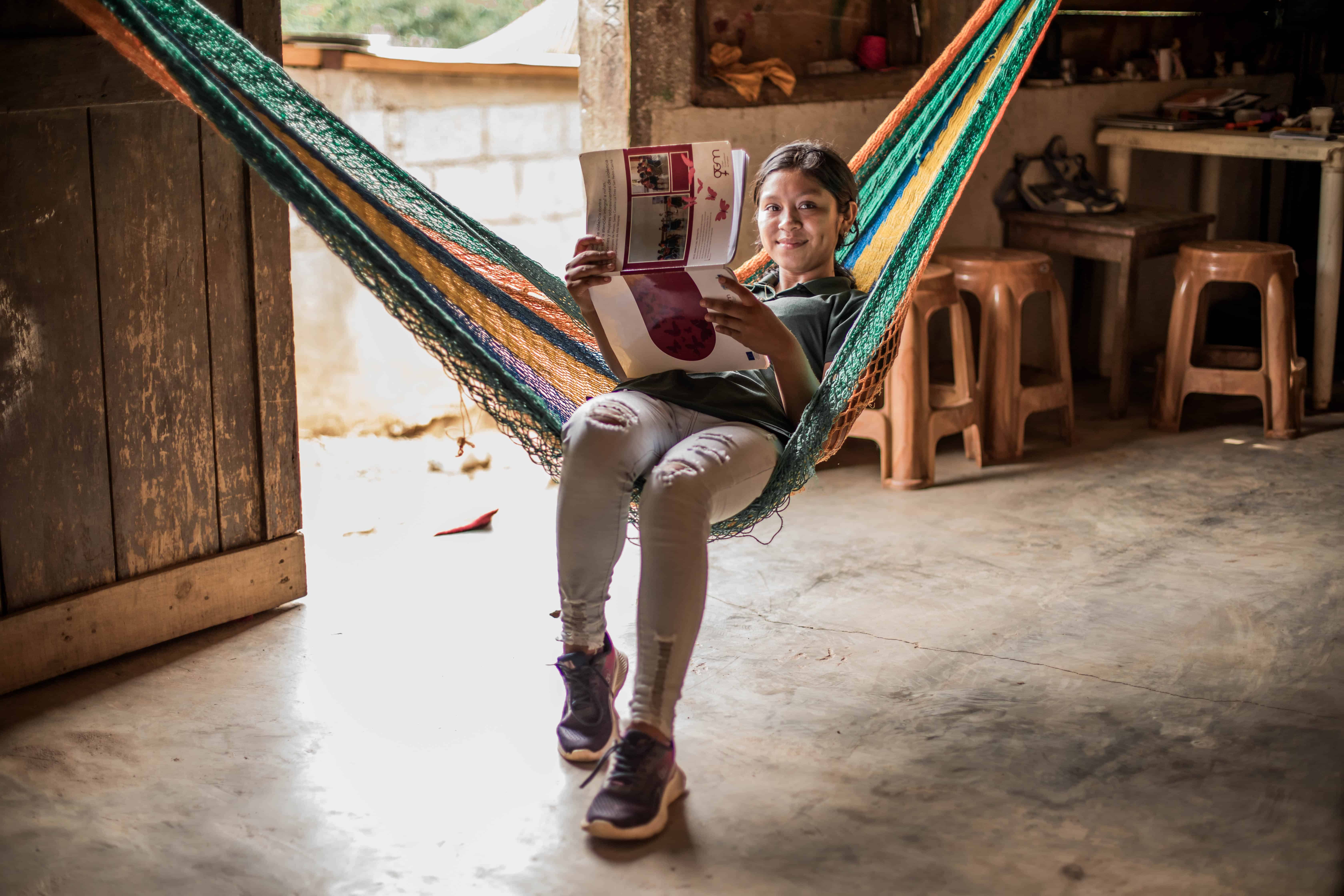
Meet Ana Victoria, a young leader proving that when girls are empowered, they transform their futures and their communities. What does leadership look like for

In celebration of International Women’s Day on March 8, we’re highlighting some of our partnerships that are empowering today’s girls to become tomorrow’s leaders. Together,
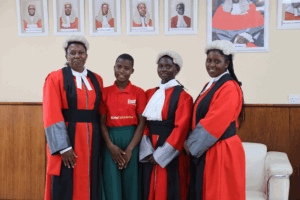
Across Malawi, Plan’s programs are transforming the lives of young people. By working together with communities, girls can stay in school and access quality education,

This story was originally posted on the Department of Labor’s website. Workers unloading catch at Mahachai pier in Samut Sakhon, Thailand. “The good
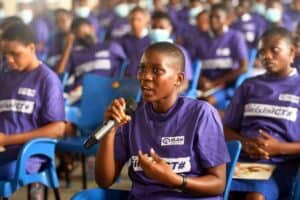
Every girl deserves to grow up in a world where her potential is realized, her voice is heard and her equality is not just a
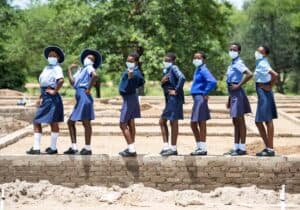
When we ask the girls we work with about the problems they face in their daily lives, they sometimes bring up issues we don’t expect.
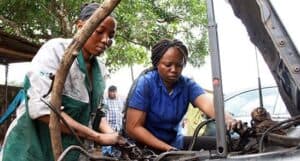
There are two mechanics regarded by their customers as some of the best car technicians in Guinea. The pair are N’Mahawa, age 25, and Teninké,