PRESS RELEASE
More than half of teenage girls believe that male violence is natural and it is their responsibility to protect themselves, a new study by girls’ rights organization Plan International reveals.
The findings come from a unique research project that has followed 142 girls across nine countries – Benin, Brazil, Cambodia, Dominican Republic, El Salvador, the Philippines, Togo, Uganda and Vietnam— from birth until they turned 18, interviewing them and their families annually about their attitudes to violence and gender roles.
What emerges is a picture of girls growing up in a world that blames them for the aggression and violence they face, restricts their freedoms, and teaches them to carry a burden that should be society’s responsibility.
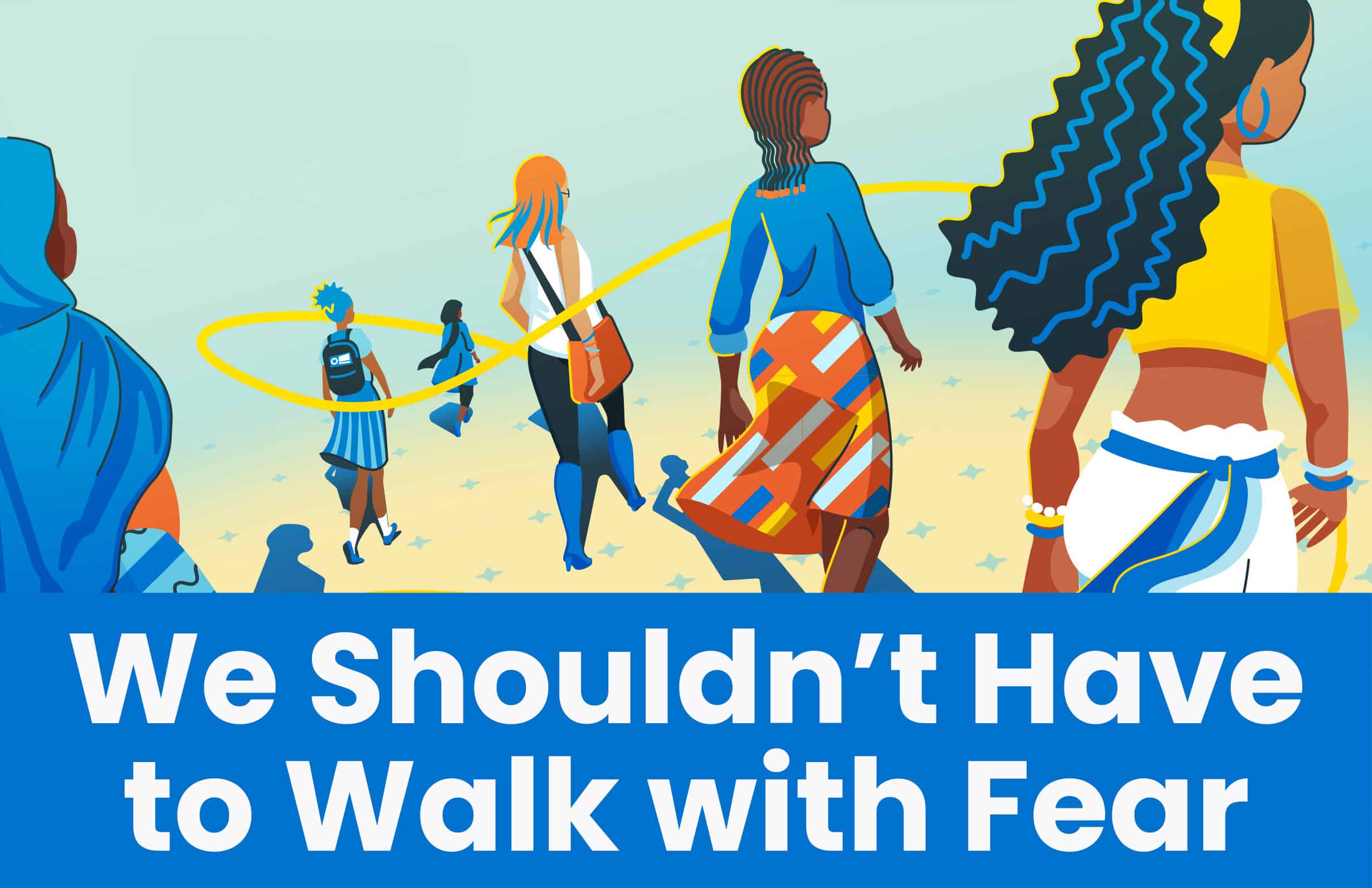
The report, We Shouldn’t Have to Walk with Fear, exposes how deeply ingrained gender norms shape girls’ perceptions of violence, putting them at greater risk of experiencing abuse and limiting their freedom.
By the time they reach adolescence, many girls feel that male violence is ‘normal’ — or ’‘just the way things are.’ When interviewed between the ages of 14 and 15, 68% of girls felt that male aggression was an inevitable part of life.
Worryingly, the belief that girls are responsible for their own safety deepens as they grow up. While 57% of 14- to 15-year-old girls said it was up to them to protect themselves from abuse, this number rose to 67% by the time they reached the ages of 17 to 18.
Violence against girls is widespread and far-reaching — more than one billion girls and women have experienced physical, sexual, or psychological abuse globally, according to the United Nations.
Within the study group, an alarming 91% of girls reported experiencing violence, starting for some from as young as 11 years old.
At the age of 15, study participant, Katerin* said, “Of course she’s the one who has to protect herself, because if she doesn’t protect herself, nobody else will.”
“Adolescence is a time when girls should be thinking about friends, school, and their future — not about how to walk down the street to stay safe from aggression,” said Plan International’s CEO, Reena Ghelani.
“But for too many girls around the globe, this is a daily reality. They grow up policing the way they walk, talk, or dress, knowing that if they’re harassed, bullied, or attacked, they risk being told it was their fault — that they ‘asked for it.’ This violence is neither inevitable nor acceptable. This research confirms that adolescence is a critical time for action.”
Previous studies have shown that girls and women who accept ideas reinforcing male dominance and gender inequality, such as the belief that ‘a man should be the head of the family’ or that ‘a man should be allowed to beat his wife’ — are more likely to experience domestic violence later in life.
Internalized gender norms also restrict girls’ freedom, leading them to limit where they go, how they dress, and who they spend time with.
The research also shines a light on how girls and families often blame survivors when abuse occurs, especially if a girl acts or dresses in ways that deviate from traditional expectations. This stigma silences girls, discourages reporting, and allows abuse to continue unchecked.
“They say that when you wear very short clothes, it provokes the boys,” explains Saidy*, aged 15, from the Dominican Republic.
Adolescence is a pivotal moment for reshaping these ideas and breaking the cycle of violence. The report additionally found that girls did believe that behavior can be influenced or learned. As they entered adulthood, 89% of young women firmly believed that parents could teach boys not to be violent or aggressive.
“[Boys] can be taught to stop being aggressive; it’s the duty of parents to educate their boys and put them on the right track”, said Catherine*, 17, from Benin.
By the ages of 17-18, girls are challenging these harmful ideas, calling for their right to equal freedoms — at home, in school and on the streets.
Ly*, a young woman from Vietnam, stated that “[freedom] is for both girls and boys. Everyone has that right.”
Plan International is calling on leaders, donors, and civil society to urgently invest in programs that challenge harmful gender norms, prevent gender-based violence and prioritize the empowerment of adolescent girls.
“To create a world where girls can live free from fear, we must start early — working with families, schools, and communities to challenge ideas that justify violence and limit girls’ freedoms,” Ghelani continued.
“We must educate boys and men to respect girls and build healthy, equal relationships. We must invest in services that protect and support girls and survivors, making sure help is safe, accessible, and tailored to their needs. By challenging gender norms at this pivotal age, we can break these harmful cycles.”
*The names of research participants have been changed.
For more information or to organize media interviews, please contact:
Mélina Froidure, Global Media Officer, Plan International
Melina.Froidure@planinternational.be
NOTES TO EDITORS
Achieving gender equality and ending gender-based violence is vital for realizing the Sustainable Development Goals — especially Goal 5, which aims to achieve gender equality and empower all women and girls.
About the research
This research draws on evidence from Plan International’s qualitative, longitudinal study, Real Choices, Real Lives, to understand adolescent girls’ beliefs and attitudes about violence and protection, and to explore the implications of internalized social norms on their lives.
Real Choices, Real Lives has followed 142 girls across nine countries from birth in 2006 to their 18th year in 2024. Through annual data collection with both the girls and their caregivers, the study offers unique insights into their lived experiences throughout childhood and adolescence.
The study is committed to uncovering the root causes of gender inequality by exploring questions about beliefs, values, and expectations. In doing so, it reveals how gendered social norms and behaviors are created, sustained, or reshaped over time. Its approach provides rare access to girls’ daily realities, capturing their aspirations and perspectives in their own words, ensuring that their voices are heard and their demands for change and gender equality are amplified.
The research draws on interviews conducted between 2017 and 2024, when the girls were between 11 and 18 years old, and explores topics and themes related to girls’ and caregivers’ experiences of and attitudes towards violence, protection, and girls’ freedom.
About Plan International
Plan International is an international development and humanitarian nonprofit that advances children’s rights and equality for girls. Working together with children, young people, supporters and partners, we strive for a just world, tackling the root causes of challenges children face. We are there from birth until adulthood, and we support children to prepare for and respond to crises and adversity, while particularly focusing on the experiences of girls. With more than 85 years of experience, we work to transform lives in more than 80 countries. We won’t stop until we are all equal.
Learn more at planusa.org.