Words: Anniek Groothuis
Photos: Mona van den Berg
In Ethiopia’s Afar region, where tradition shapes every stage of life, a girl’s future is often decided within days of her birth. For generations, female genital mutilation has been considered inevitable, a practice carried out in silence, fear and conformity. But some parents are choosing a different path.
Through these stories, we meet mothers, fathers and daughters who are quietly defying expectations to protect girls from harm. Their choices reflect courage in everyday moments: a decision made at home, a conversation in a classroom or a community beginning to shift. Against a harsh landscape and powerful social pressure, these accounts reveal how change begins, one family, one choice at a time.
“I am relieved I was spared FGM.”
Hayat, 14
Hayat, 14, and her mother Birtukan, 38
Relieved not to be cut
In Ethiopia’s Afar region, 14-year-old Hayat rests her head on her mother Birtukan’s shoulder, a powerful image of love and resistance. Despite cultural pressure, Birtukan refused to subject her daughter to FGM, choosing health, hope and a different future.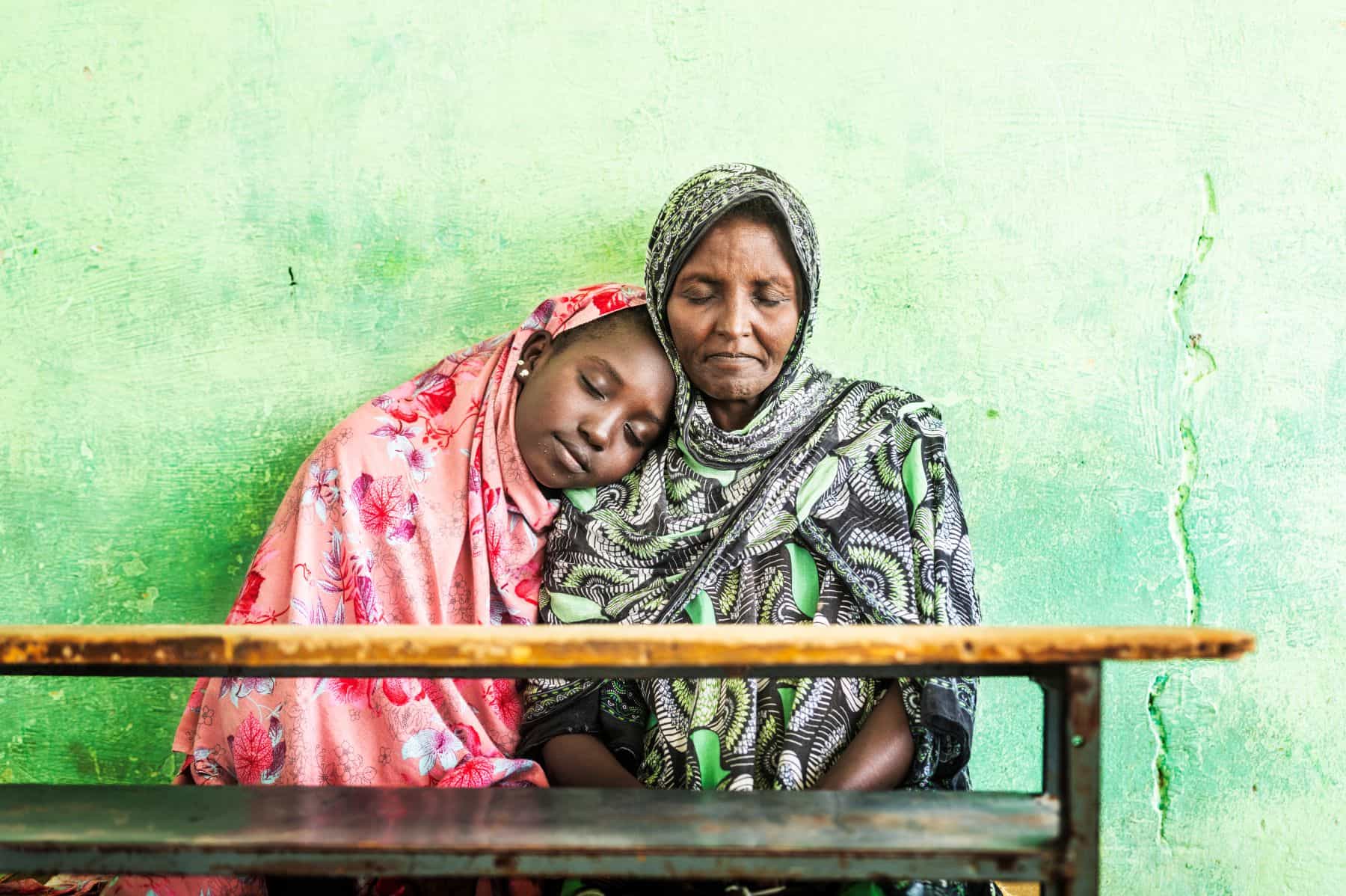
“I am relieved I was spared FGM, because I could have bled a lot. There is also the risk of HIV/AIDS and the risk of fistula during childbirth due to cutting,” says 14-year-old Hayat.
Her mother Birtukan explains, “When I was pregnant, before I gave birth, I experienced pressure to have my daughter cut. I heard that circumcision is harmful to women due to diseases and many consequences that follow. I have learned a lot about it. So I did not cut my child.”
“In everything we hear, in education and on the radio, it is a harmful practice that exposes girls to a lot of bleeding. I hear about fistula disease. In general, it is completely harmful. In Afar, especially in the remote areas, there is a saying that if a girl is not cut, her desire for men increases. But that’s not true. You cannot link that to not being circumcised.”
Shishig, 34, and her daughter Eman, 14
TV broadcasts sparked her awakening
Shishig, 34, embraces her daughter Eman, 14, in a moment of solidarity and strength. In a community where FGM has long been the norm, Shishig stood firm and said no after learning about the dangers through TV campaigns.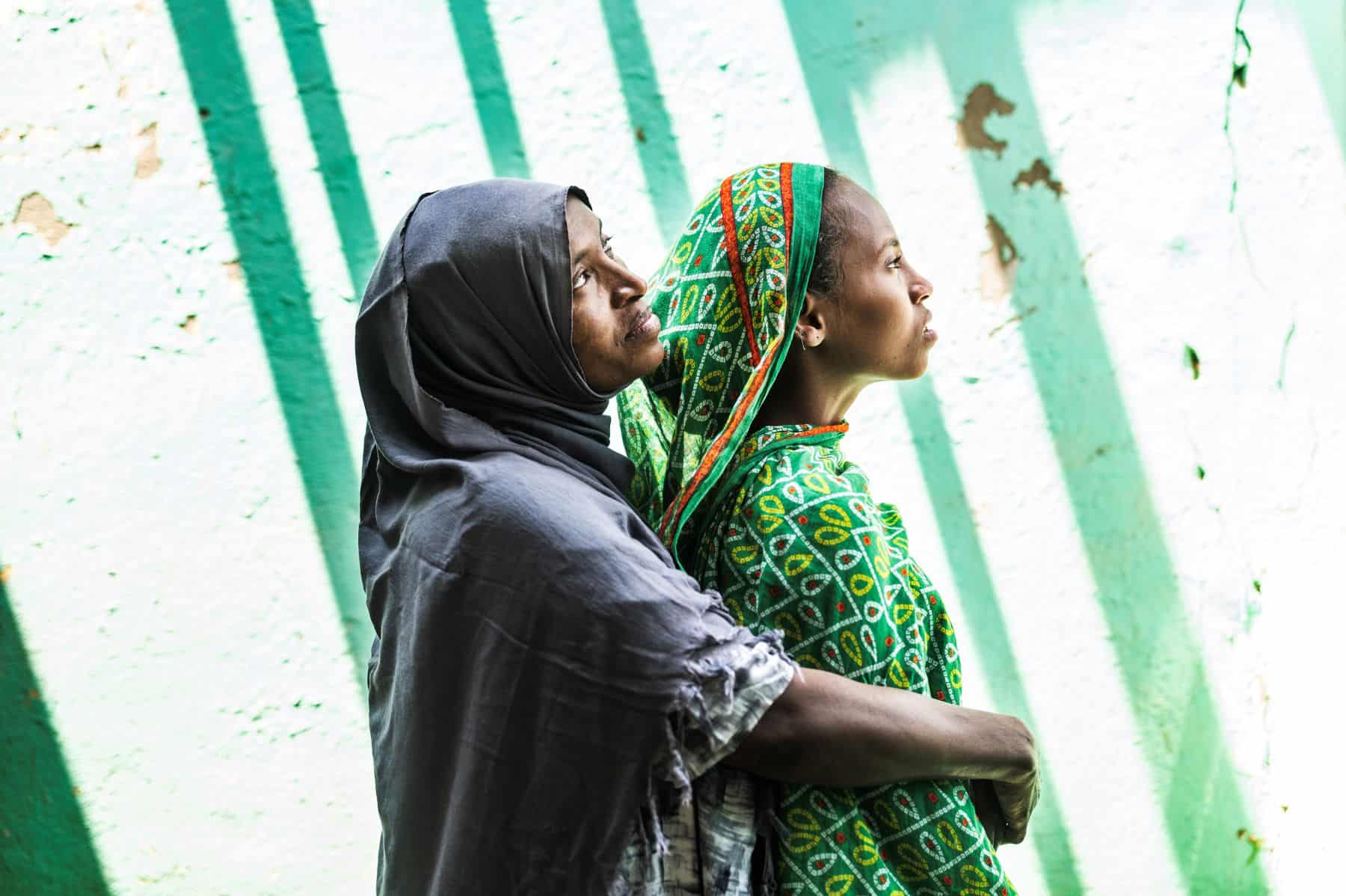
Shishig learned about the dangers of FGM through TV broadcasts. “I saw on television the message: ‘Don’t circumcise your children, don’t cut them.’ Female genital mutilation is harmful, we see it in advertisements and dramas. That’s why I didn’t cut my children. I learned this on my own. I just saw it on television and I didn’t cut my daughters. I am also not cut.”
FGM is rarely spoken about openly. Even with public messages, awareness is still limited, especially in remote communities. “But I knew it can cause children to bleed to death and has lifelong consequences. Women experience problems during menstruation, have difficulty urinating and face a high risk of infections. It is extremely dangerous. That is why I decided to protect my daughter.”
She recalls one tragic case: “In our area I have seen one girl who was cut and bled a lot and they could not take her to hospital because the cutting could not be disclosed to others.”
Although she herself is not cut, many of her friends are. After conversations, they now also advocate for abandoning the practice. “We should not cut children. It is harmful.”
“We should not cut children. It is harmful.”
Zehara, 37, and her daughter Fatuma, 14
Educating others to break the cycle
A mother and daughter in Afar stand together, reflecting the strength of families choosing to protect girls from harm.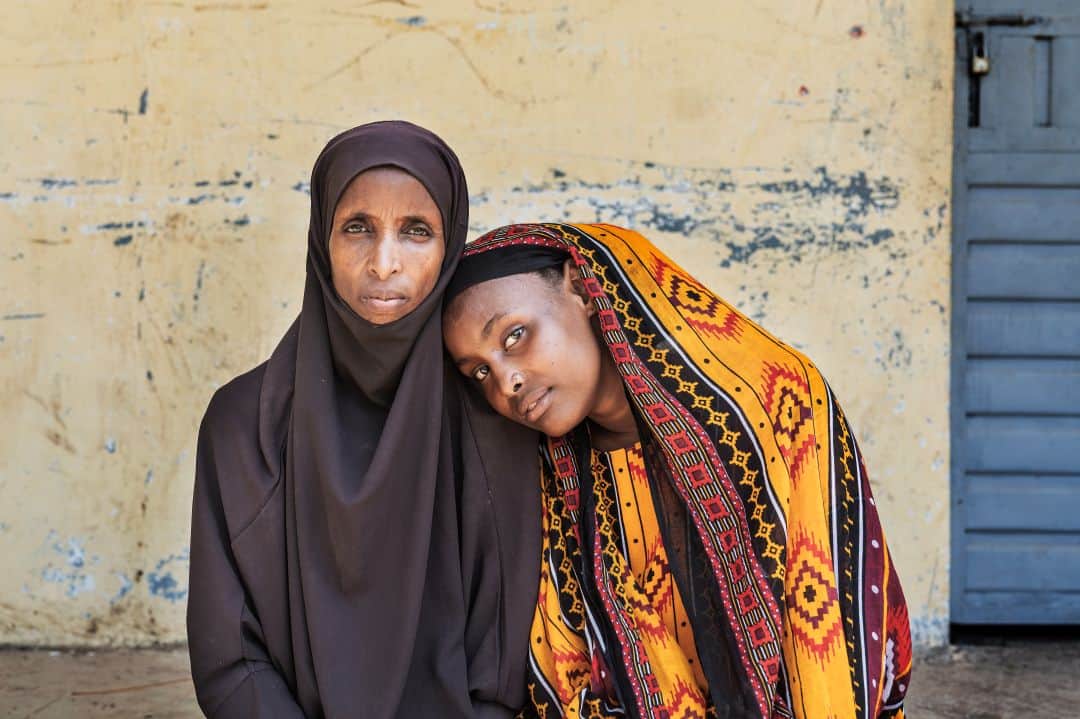
Zehara is a teacher and facilitator of a Girls’ Club at her school, an initiative established by Plan International to teach girls about their rights. “We know that cutting harms us. We are torn apart,” she says.
She acknowledges the pressure from the older generation. “Some people say: ‘This is our culture.’ But something that harms girls is not culture. That’s what I tell them.”
Zehara told a story to fellow parents about a 17-year-old girl with a swollen abdomen. Her father thought she was pregnant, but the real cause was the buildup of menstrual blood due to FGM. The situation was life-threatening. “That made the parents stop and think.”
Fatuma, a club member, speaks out against FGM and encourages others. “It’s better not to be cut, because it causes harm later in life,” she says.
Zehara remains hopeful: “The community is changing now. If training and awareness-raising continues, it can become sustainable. We can save our community.”
Ali, 48, and his daughter Seyida, 14
A father taking a stand
In Afar, fathers often have the final say in family decisions. Ali believes men must also take a stand and openly reject FGM.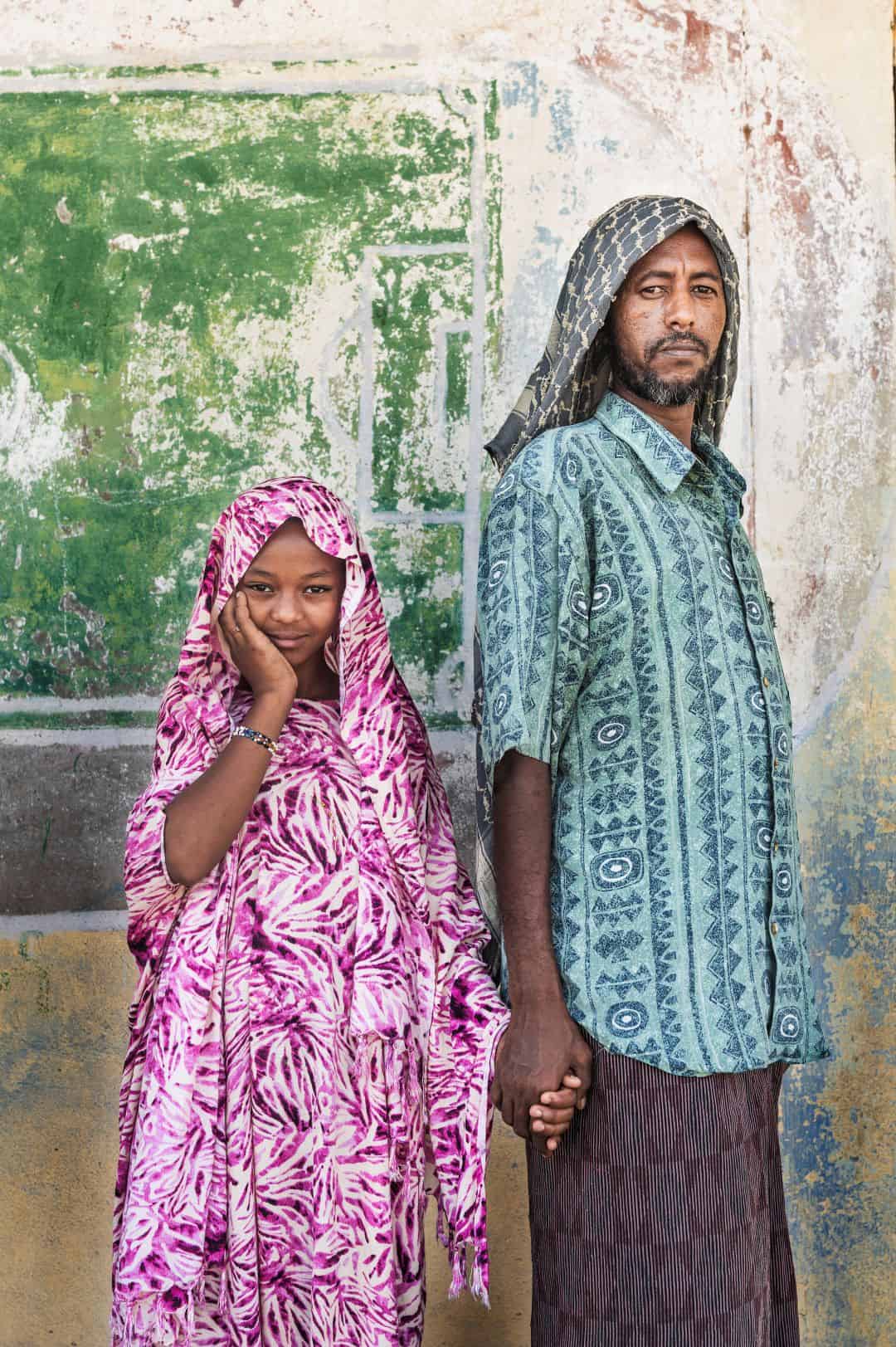
“All my daughters are uncut,” says Ali. In Afar, fathers often have the final say in family decisions. That’s why Ali believes men must also take a stand. He openly discusses FGM and encourages other fathers to reject the practice.
“Female genital mutilation is often seen as a fixed part of our society,” he says. “But it is something that has developed over time. Something that started at a certain point can also be brought to an end.”
His daughter Seyida shares her concerns: “The genital mutilation practiced in Afar is very severe. When a girl is pregnant and wants to give birth, the doctor may refuse her because she is already cut. Then she’s cut again at the doctor’s office. How many times can one girl be cut?”
“It is a difficult process, but together we can stop FGM,” Seyida adds.
Ali believes change is possible: “When we advocate for our children, things will gradually become better.”
Sinidu, 34, and her daughter Mekidas, 13
Knowing the law, making a choice
Families are making informed choices to protect girls, even when social pressure is strong.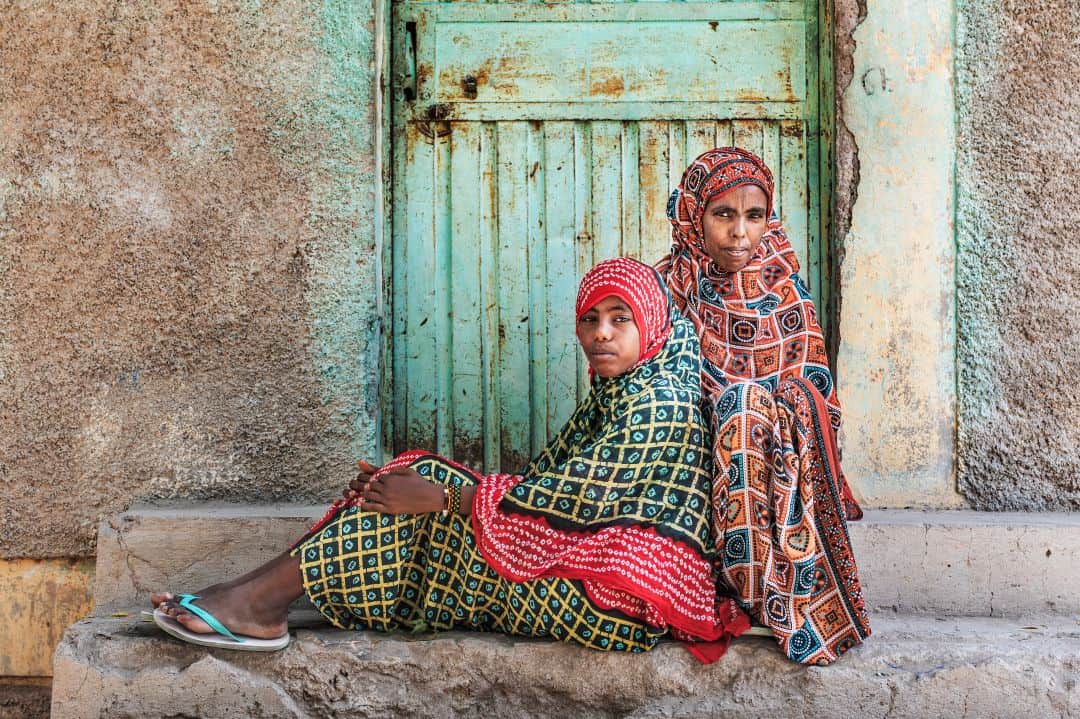
“It’s better for a girl not to be cut. They bleed a lot while being cut. It’s better for menstruation not to be cut,” says Sinidu.
She is well aware that FGM is illegal and punishable by law. Her decision to protect her daughter was motivated by both legal understanding and what she has seen firsthand in her community.
Shimelis, 38, and his daughter Betelihem, 13
Calling out harmful practices
Fathers speaking out can shift norms, especially in communities where men influence family decisions.
“It is an obligation to say that a girl should not be mutilated, to save the girl,” says Shimelis. “It was historically accepted, but the cutting of girls has nothing to do with religion. To tell the truth, it does not.”
He continues, “In the past, it was said that it is tradition. But it is time for development. We shouldn’t let anyone think otherwise.”
Meyirema, 40, and her daughter Sumeya, 14
Facing resistance, choosing education
Some parents face backlash for protecting their daughters, but they stay firm and keep advocating for girls’ health, safety and right to learn.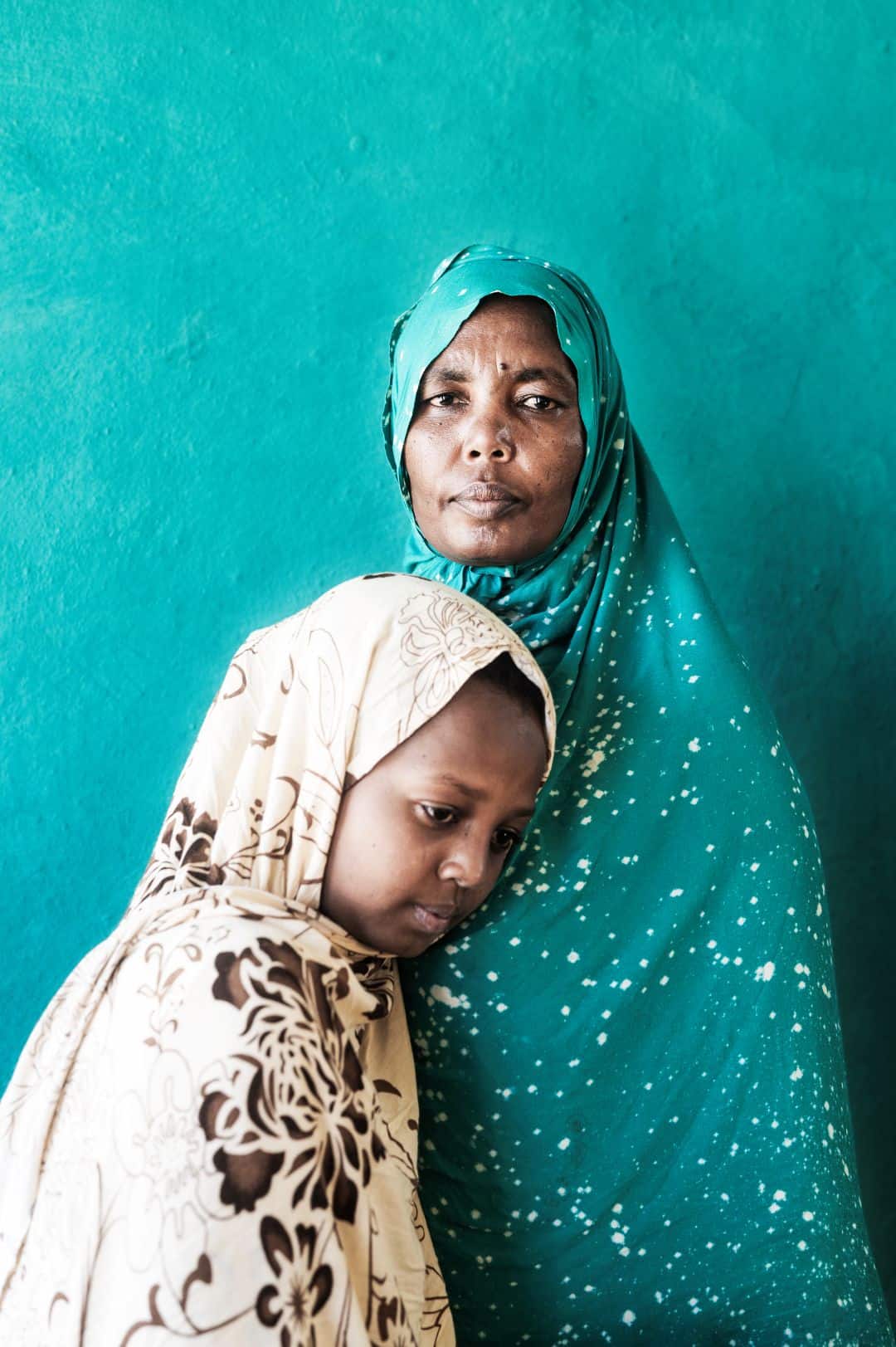
“If you are cut, childbirth becomes dangerous,” explains Meyirema. “The baby cannot come out, it becomes stuck and dies unless you are cut open. Many women do not understand this. And still they continue cutting girls. It is unbelievable.”
She faced backlash for protecting her daughter: “Older people say I am spreading bad ideas. They do not support me. But we do not listen to them.”
Sumeya recalls the stigma: “People said if a girl is not cut, she will break things and won’t be a good wife. They believed men would reject her.”
But attitudes are changing. “Now we receive training about the consequences of FGM. We’ll start spreading what we learn at school and beyond,” says Sumeya.