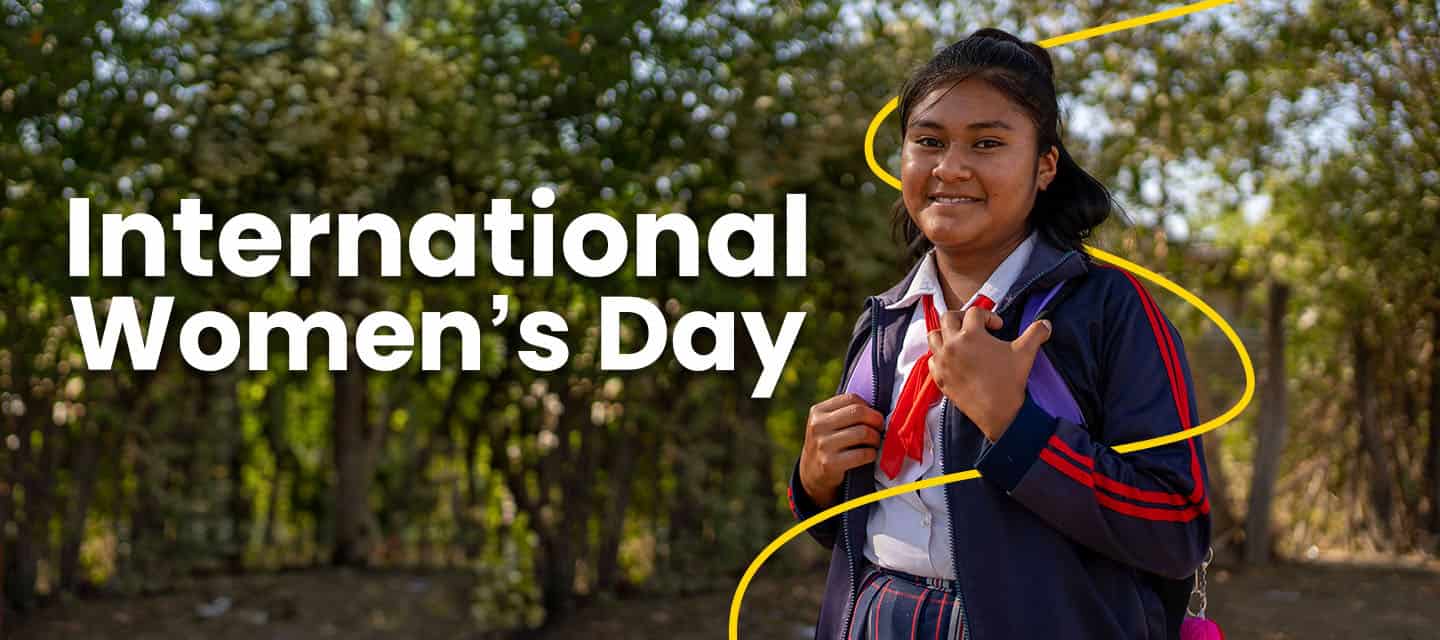
International Women’s Day (March 8) is a global day that celebrates women’s achievements and calls for gender equality.
It began in the early 1900s as part of labor and voting rights movements. Today, it is recognized worldwide as both a celebration and a call to action.
1. Why does International Women’s Day still matter in 2026?
Because progress for girls and women is real — but fragile.
An 18-year global study followed the same group of girls from birth to adulthood across nine countries. By age 18, nearly two-thirds were completing or had completed secondary school. Fewer were married compared to their mothers’ generation.
Read more about the findings: Real Choices, Real Lives: Findings from 18 Years of a Global Study
At the same time, most reported experiencing violence in childhood. Many spent more than five hours each day on unpaid care work.
Progress does not sustain itself. It requires continued investment.
2. What is the International Women’s Day 2026 theme?
The United Nations theme is: “Rights. Justice. Action. For ALL Women and Girls.”
The theme emphasizes that gender equality requires more than promises. It requires systems that protect rights, deliver justice and create real opportunity.
Justice does not begin in adulthood. It begins in childhood.
Education is the pathway that allows girls to understand their rights, claim them and shape the systems around them.
When girls stay in school safely and consistently, they are better positioned to advocate for themselves and influence decisions that affect their futures.
3. What does girls’ education have to do with women’s equality?
Short answer: education is the foundation of equality.
When girls stay in school, they are more likely to:
— Earn income
— Delay marriage and pregnancy
— Participate in civic life
— Lead in their communities
Education is the pathway from girlhood to womanhood.
When girls learn, they grow into women who lead.
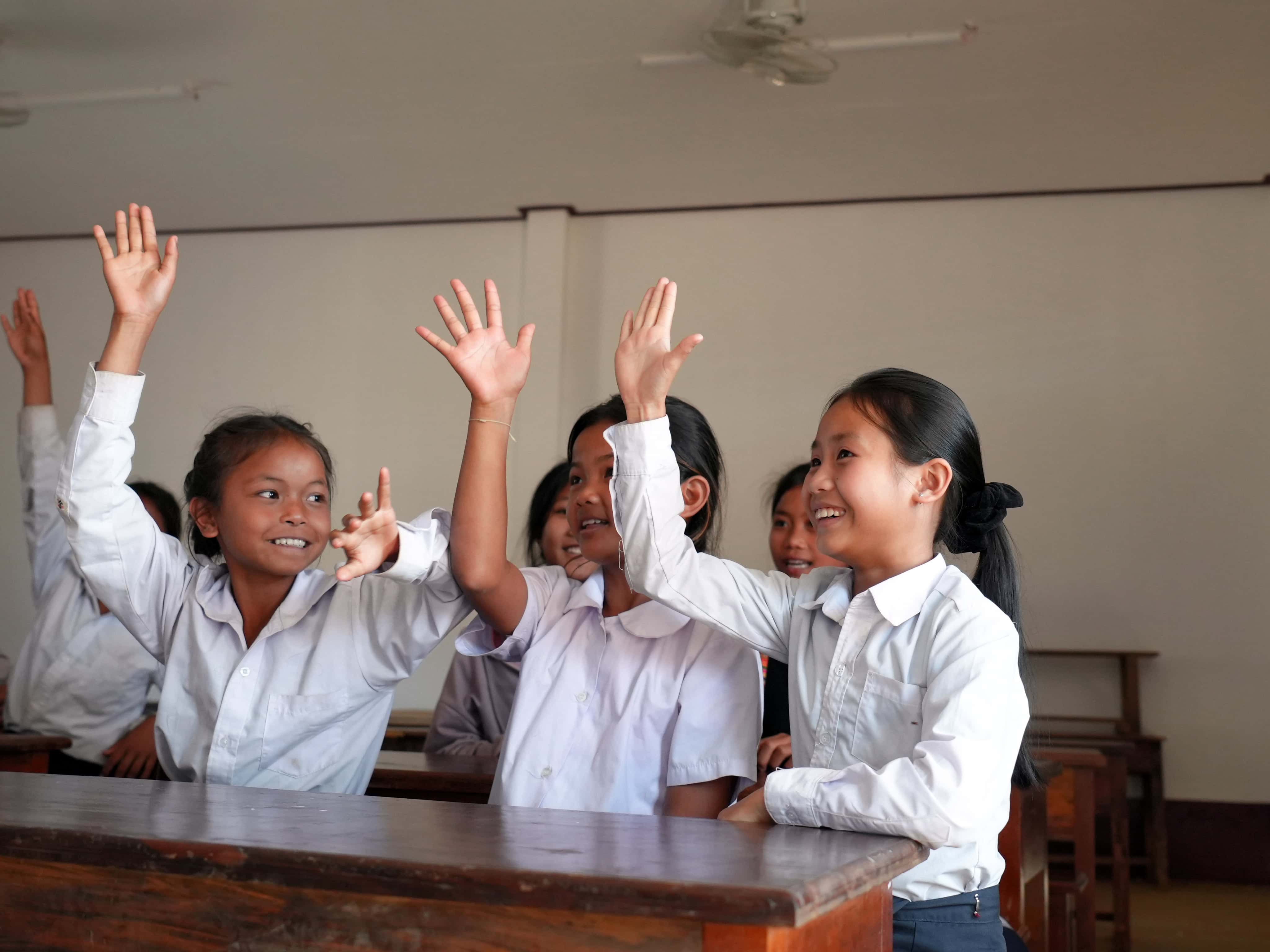
Vankham, 9, (far right) and her classmates participate in a lesson at their newly rebuilt primary school in Oudomxay province, Laos. Safe, quality learning environments help girls stay focused in school and build the foundation for their futures. | © Plan International
4. What causes girls to drop out of school?
Girls drop out for overlapping reasons:
— Poverty
— Conflict and crisis
— Child marriage
— Early pregnancy
— Violence and harassment — online and offline
— Heavy household responsibilities
— Unsafe travel to school
These pressures often happen at the same time. When families face economic or climate stress, girls are often the first to leave school.
5. Does educating girls really improve the economy?
Yes.
According to the World Bank, not educating girls costs countries trillions of dollars in lost lifetime productivity and earnings.
Research from McKinsey & Company shows that advancing women’s equality could add trillions to global GDP.
Analysis from Citi Global Insights highlights the economic returns of investing holistically in girls’ education and well-being.
Educated women are more likely to reinvest in their families, strengthen local economies and support stable communities.
Girls’ education is not charity. It is economic infrastructure.
Investing in girls’ education is one of the highest-return investments a country can make. When girls complete secondary school, workforce participation rises. Public health improves. Household income increases. Long-term poverty declines.
6. Is enrollment the same as equality?
No.
Enrollment does not guarantee safety, quality or long-term completion.
Even when girls attend school, violence, unpaid care work and financial pressure can limit their ability to finish. Access alone is not enough. Stability matters.
7. What is unpaid care work and how does it affect girls?
This includes:
— Cooking and cleaning
— Collecting water or firewood
— Caring for younger siblings
— Caring for elderly or sick family members
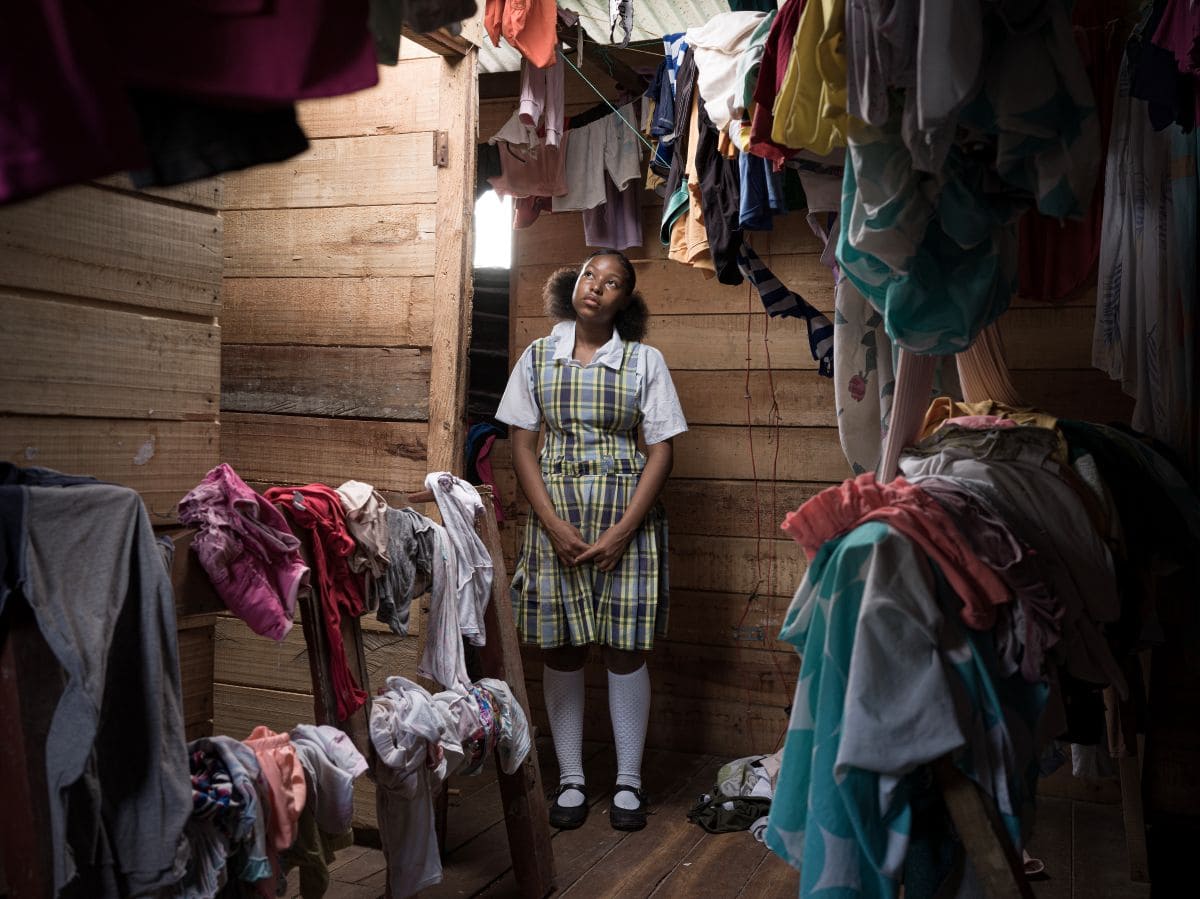
Yili, 16, stands inside her family home in Colombia. In addition to attending school, she works in other people’s homes and cares for her younger siblings to help cover school expenses. Unpaid care work and economic pressure are common reasons girls struggle to stay in school. | © Plan International / Chris de Bode
“I have more boys than girls in my class,” she explains. “Another challenge is girls getting pregnant. It happened to one of my best friends. She dropped out of school and couldn’t find a job.” — Yili, 16, Colombia
With support from Plan’s Safe Horizons project, Yili was able to return to school. Financial assistance reduced the pressure to work, allowing her to devote more time to her studies.
10. What is child marriage and how is it connected to education?
Child marriage happens when a girl is married before her 18th birthday.
In many cases, child marriage is driven by poverty, social pressure, gender inequality or safety concerns. Families may believe marriage will provide financial security or protection for their daughters.
But early marriage often ends a girl’s education.
When a girl marries young, she is more likely to:
— Leave school permanently
— Experience early pregnancy
— Face higher health risks
— Lose economic independence
Education is one of the most effective ways to reduce child marriage. Girls who stay in school are far less likely to marry early.
You can explore global data and recommendations in the State of the World’s Girls 2025: Let Me Be a Child, Not a Wife report.
Child marriage is both a human rights issue and an education issue.
10. What does it actually take to keep girls in school long-term?
Girls do not drop out for one reason. Solutions cannot operate in silos.
Keeping girls in school requires stable, supportive conditions that remove barriers at every stage of their lives.
Strong early childhood development helps girls begin school ready to learn.
Access to health care, nutrition and safe water reduces preventable absences.
Sexual and reproductive health services help prevent early pregnancy and forced marriage.
Protection systems reduce violence at home, in communities, in schools and in digital spaces.
Livelihood and income support reduces economic pressure that forces families to withdraw girls from school.
When these conditions are stable, girls are far more likely to complete secondary school.
10. What can people do on International Women’s Day?
International Women’s Day calls for rights, justice and action.
That action must include sustained investment in girls’ education and protection, both online and offline.
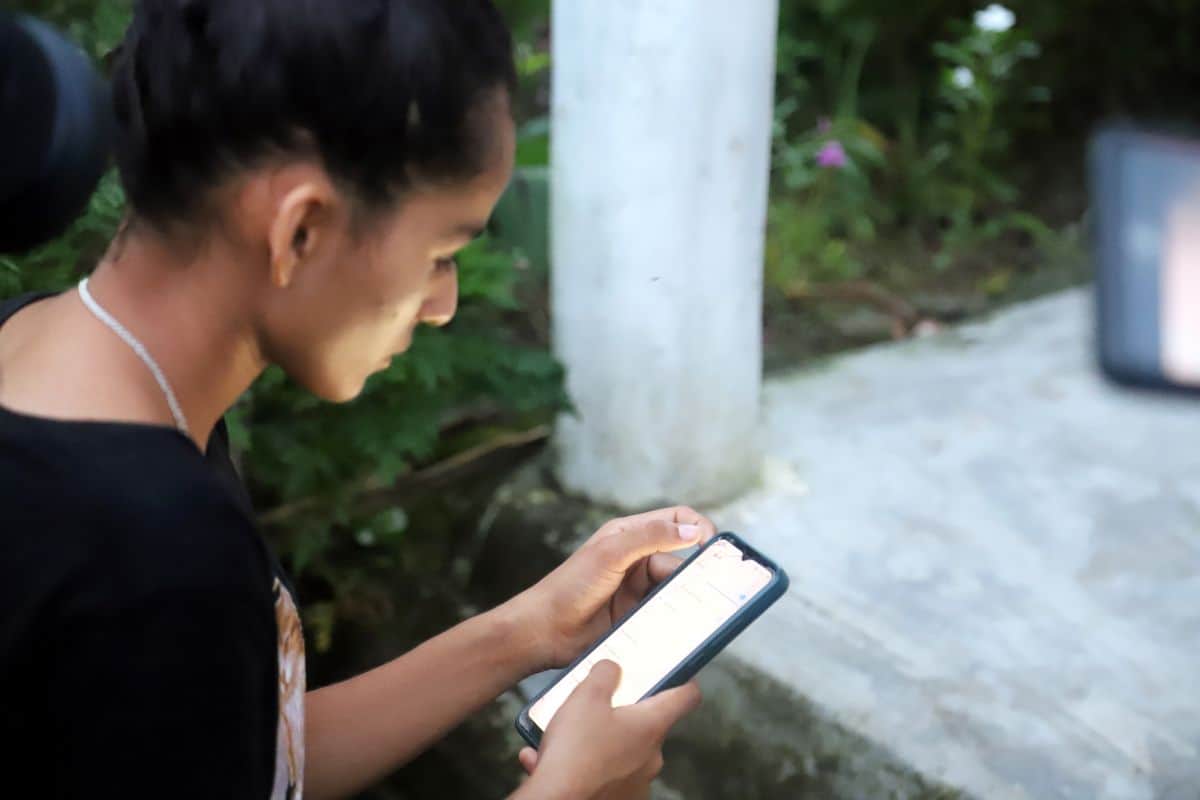
Regina uses the Maya chatbot in Nepal to access information about online safety and trafficking risks. As more learning and social interactions move online, digital protection is part of keeping girls safe and in school. | © Plan International / Naresh Newar
Support policies and programs that keep girls in school. Advocate for safe schools, digital safety and access to health services. Invest in systems that remove barriers, not just scholarships.
Progress is possible. But it requires continued commitment.
When girls learn, they gain the tools to claim their rights. And justice becomes more than a slogan.
When girls learn, women lead.
When women lead, communities move forward.
International Women’s Day highlights rights, justice and action. Sustained investment in girls’ education and protection is part of that action.