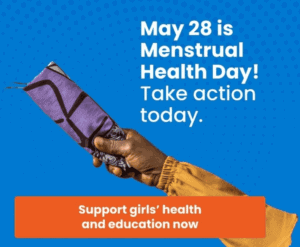
YOU can help end the stigma. PERIOD.
Period stigma holds girls back. But together, we can change the narrative — and ensure every girl can manage her period with dignity and pride.

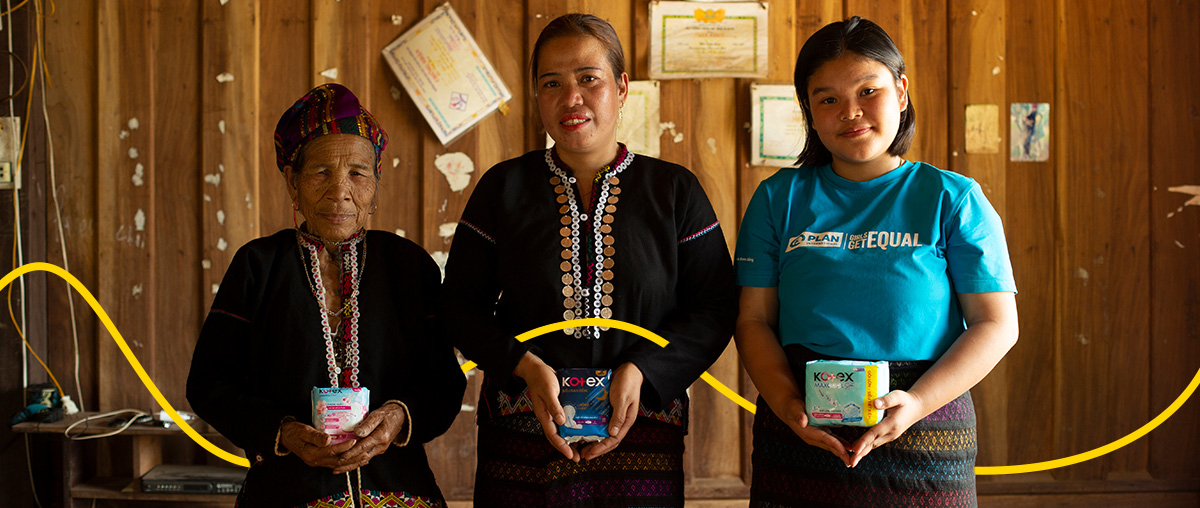
Period stigma holds girls back. But together, we can change the narrative — and ensure every girl can manage her period with dignity and pride.
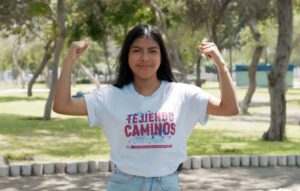
Fernanda, 17, from Lima, Peru, is working toward her dream of becoming a doctor. Through workshops, she gained the knowledge and confidence to make decisions
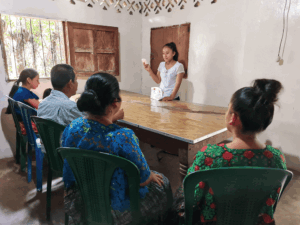
When girls have access to menstrual health education and supplies, the impact goes far beyond hygiene. It opens doors to confidence, school attendance and long-term empowerment. This blog explores how breaking period stigma creates ripple effects that transform lives and communities.
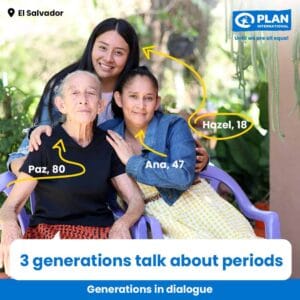
From El Salvador to Togo, grandmothers, mothers and daughters are speaking openly about periods — many for the first time. These intergenerational conversations are breaking taboos, building understanding and helping girls navigate their menstrual health with dignity.
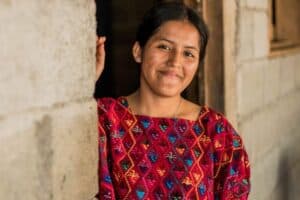
The future girls want is one where they can learn, lead and live without limits. But right now, too many obstacles stand in their way. In our
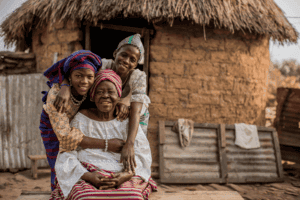
This post is part of Plan’s blog series, “Periods through the ages,” highlighting girls and the women in their families as they share period stories
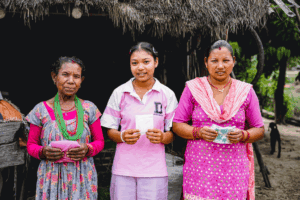
This post is part of Plan’s blog series, “Periods through the ages,” highlighting girls and the women in their families as they share period stories
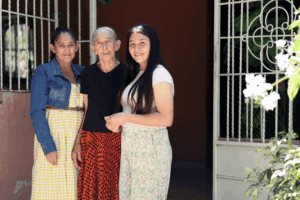
This post is part of Plan’s blog series, “Periods through the ages,” highlighting girls and the women in their families as they share period stories
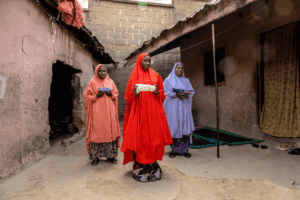
This post is part of Plan’s blog series, “Periods through the ages,” highlighting girls and the women in their families as they share period stories
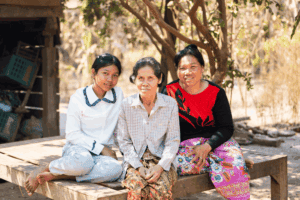
This post is part of Plan’s blog series, “Periods through the ages,” highlighting girls and the women in their families as they share period stories