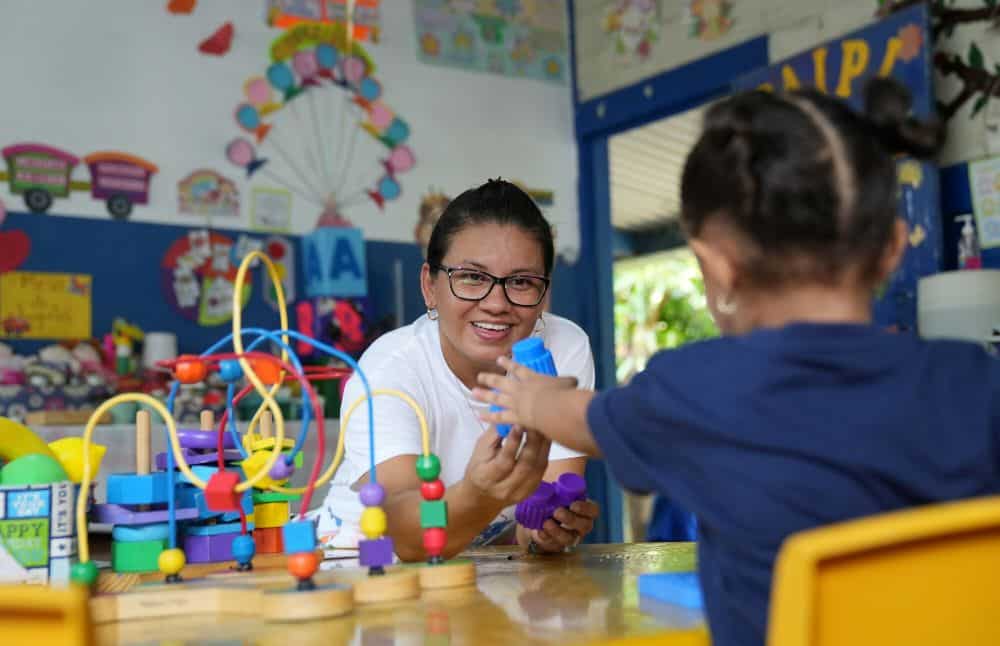
“Women and girls’ empowerment is rooted in sustainable access to skills and decent work.” This is a mantra repeated in textbooks and lectures. But I didn’t realize how true it was until I joined Plan’s Youth Advisory Board and saw the impact for myself.
As a member of Plan International USA’s Youth Advisory Board and a student studying political science and global studies, I found myself at the crossroads of merging these aspects of my life into a meaningful experience last summer. I set out to document the female-led changes to increase employment and reduce poverty facilitated by Plan and other organizations in Jordan and Bangladesh.
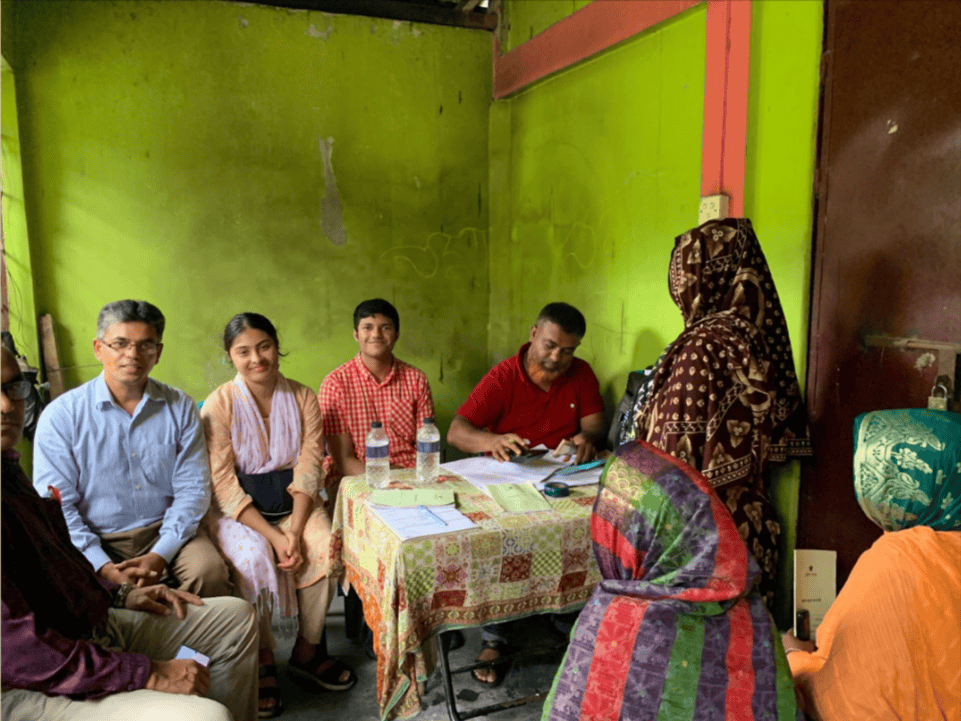
I first embarked on my journey starting in Dhaka, Bangladesh, where I interned for Grameen Bank, a Nobel Peace Prize-winning microfinance development bank that provides collateral-free loans to villagers, supporting more than ten million people, 97% of whom are women. Through monitoring loans, reviewing credit accounts, and conducting a case study in my mother’s district of Sylhet, I learned about the growing role of women as both primary earners and decision-makers.
Learning leadership through access to finance
Many of the women I interviewed shared how they never learned how to read or write until trying to open a bank account, where they spent more than two weeks learning how to write their name to sign onto their first loan.
Fast-forward twenty years, and these same women now hold positions as deputy mayors or village representatives. They serve as role models for their daughters by helping build the first high schools in their communities.
Women also pool resources together to lend funds as a group and invest in vocational training and technology literacy programs, including initiatives supported by Plan International Bangladesh at the Youth Learning Centre. Girls are creating jobs, agency, and access through resources communities work together to provide.
Seeing generational change firsthand
I was stunned by the unbridled progress rural women had made compared to when my mother had left. Surely this must have been a ruse.
Thankfully, I was proven wrong when I encountered the She Leads program run by the Jordan River Foundation in partnership with Plan International Jordan.
Youth-led change through the Girl Engage approach
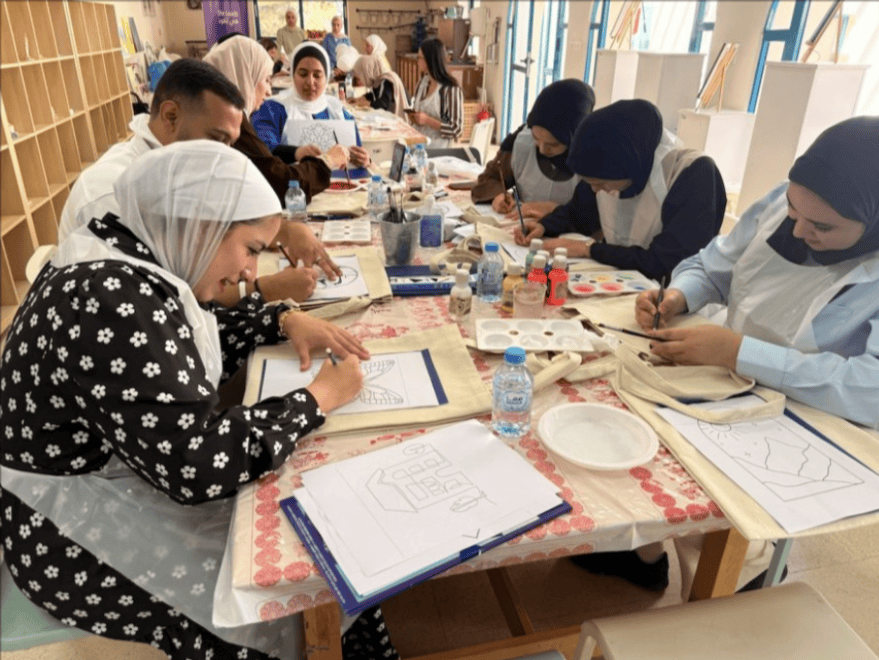
Embodying the Girl Engage approach, local youth volunteers — many my age and in university or high school — facilitate workshops that raise awareness of domestic and online gender-based violence while building skills around boundary-setting and decision-making.
They worked with girls and boys as young as five, as well as mothers and grandmothers, using expressive arts and community-led initiatives to destigmatize these issues and move forward together.
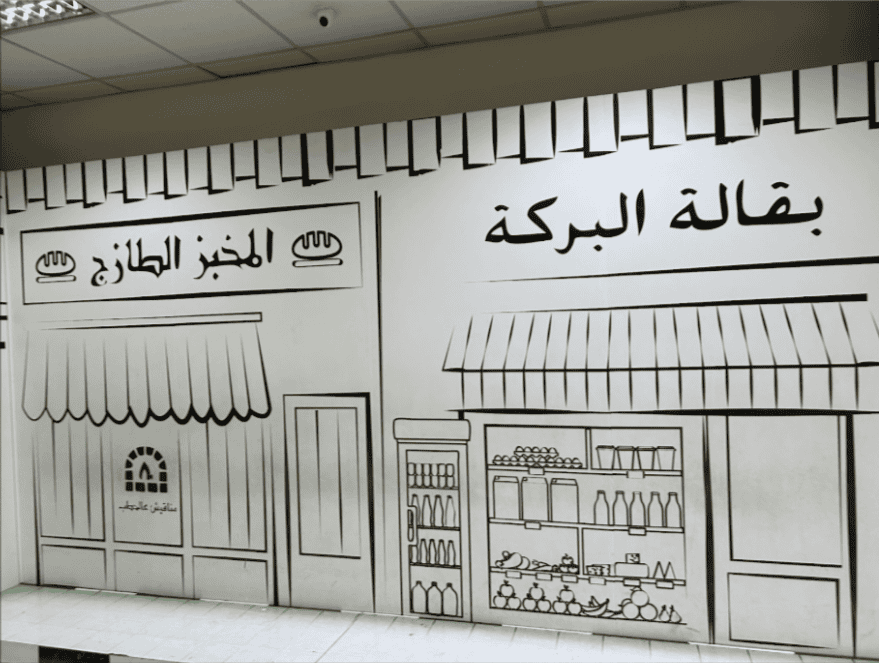
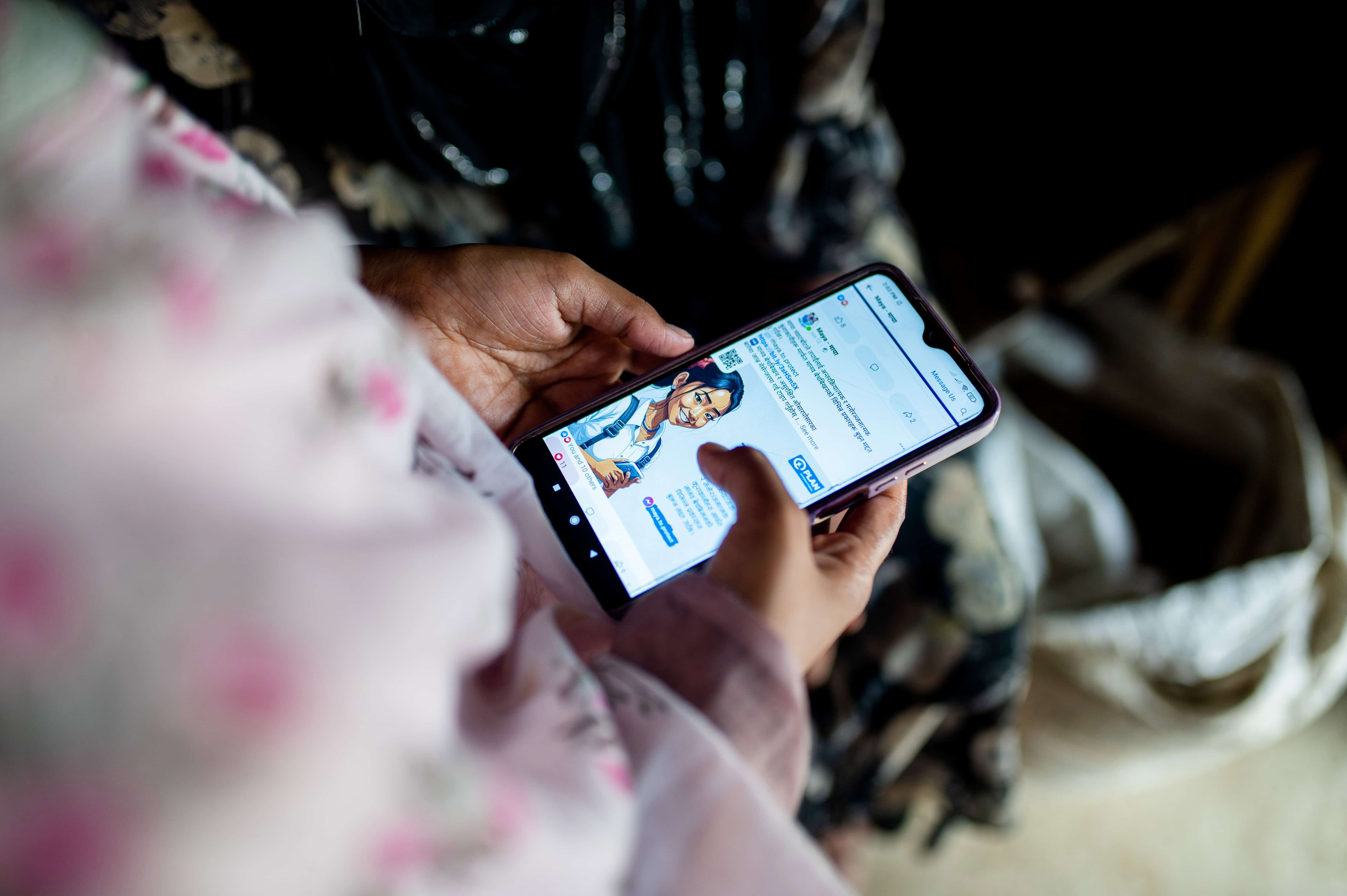
These youth leaders went on to create a website and podcast highlighting entrepreneurial projects and workforce readiness programs for women across Jordan, fully owning tools made possible through Plan-supported spaces.
What these experiences mean for the next generation
Although She Leads in Amman concluded in September 2025, its impact continues to resonate. The passion these young people bring to advancing girls’ leadership transcends generations and language. They are united by one shared aim: to teach, protect, and equip girls to go beyond their goals.
As part of the Plan USA Youth Advisory Board and in preparation for the
Youth Leadership Academy 2026, I hope to carry forward even a fraction of what these women and girls have taught me to the next generation of changemakers and leaders in Washington, D.C.
About the author
Saudah is a member of Plan International USA’s Youth Advisory Board and a junior at the University of North Carolina at Chapel Hill.