Why education in emergencies matters
When conflict breaks out, when hunger spreads, when disasters strike, one of the first things children lose is school. Yet education is more than a classroom. It is protection, stability and the foundation for recovery, especially during conflict and crisis. And when we talk about protecting schools, we are really talking about keeping education going, even in the toughest places.
Globally, 224 million school-age children living in crisis-affected countries need education support. Of these, 72 million are completely out of school, while another 127 million are in classrooms but not learning at even the most basic levels. Still, children and families show extraordinary determination to hold on to learning. Because every child deserves the chance to build a better future — no matter the crisis.
That’s why the United Nations established Sept. 9 as the International Day to Protect Education from Attack. Schools should be safe havens, not targets. And education must never be used as a weapon or sidelined in emergencies.
At Plan International, we work with children, families and communities to make sure learning continues — from temporary classrooms to school kits to long-term research on girls’ lives.
Here are five examples of how conflict and crisis are disrupting learning and what we’re doing to fight back.
1. Gaza: Education interrupted by airstrikes
In Gaza, schools lie in ruins after months of airstrikes. Families say their children are desperate to return to learning — not just to keep up with lessons but to reclaim a sense of normal life.
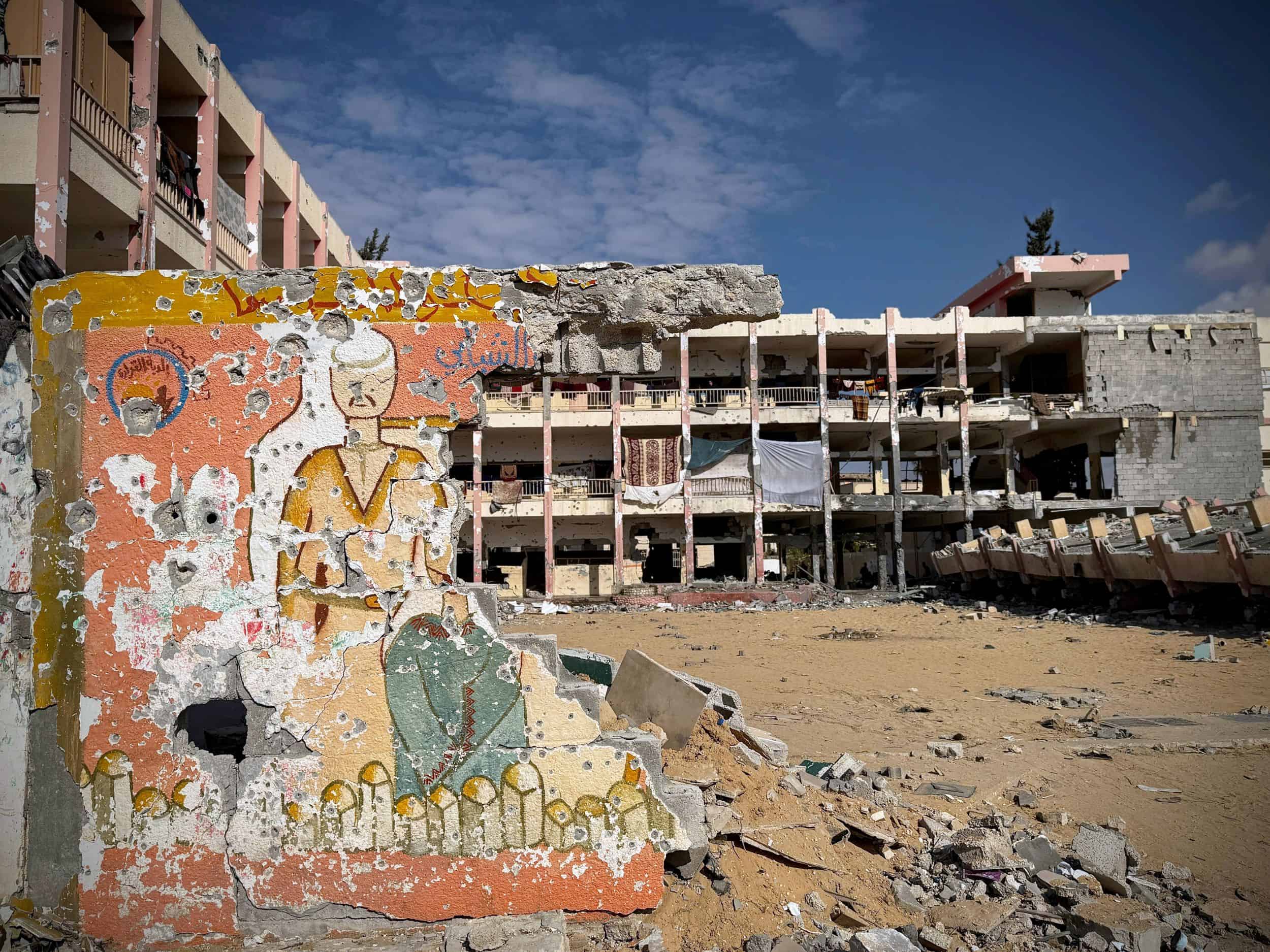
Plan and partners have set up temporary learning spaces so 500 children can continue their education, play and begin to heal. In the weeks leading up to this, we also reached nearly 100,000 people with hot meals, dignity kits and clean water — urgent support that helped families survive long enough to think about schooling again.
2. Sudan: Displacement can’t stop learning
Sudan is now the world’s largest displacement crisis. In Gedaref state, more than 1 million displaced people have arrived, overwhelming already stretched schools. Families who lost everything in the conflict want only one thing for their children: to keep learning.
To help, 1,000 displaced children recently received school kits — each containing a bag, pens, pencils, notebooks and basic supplies.
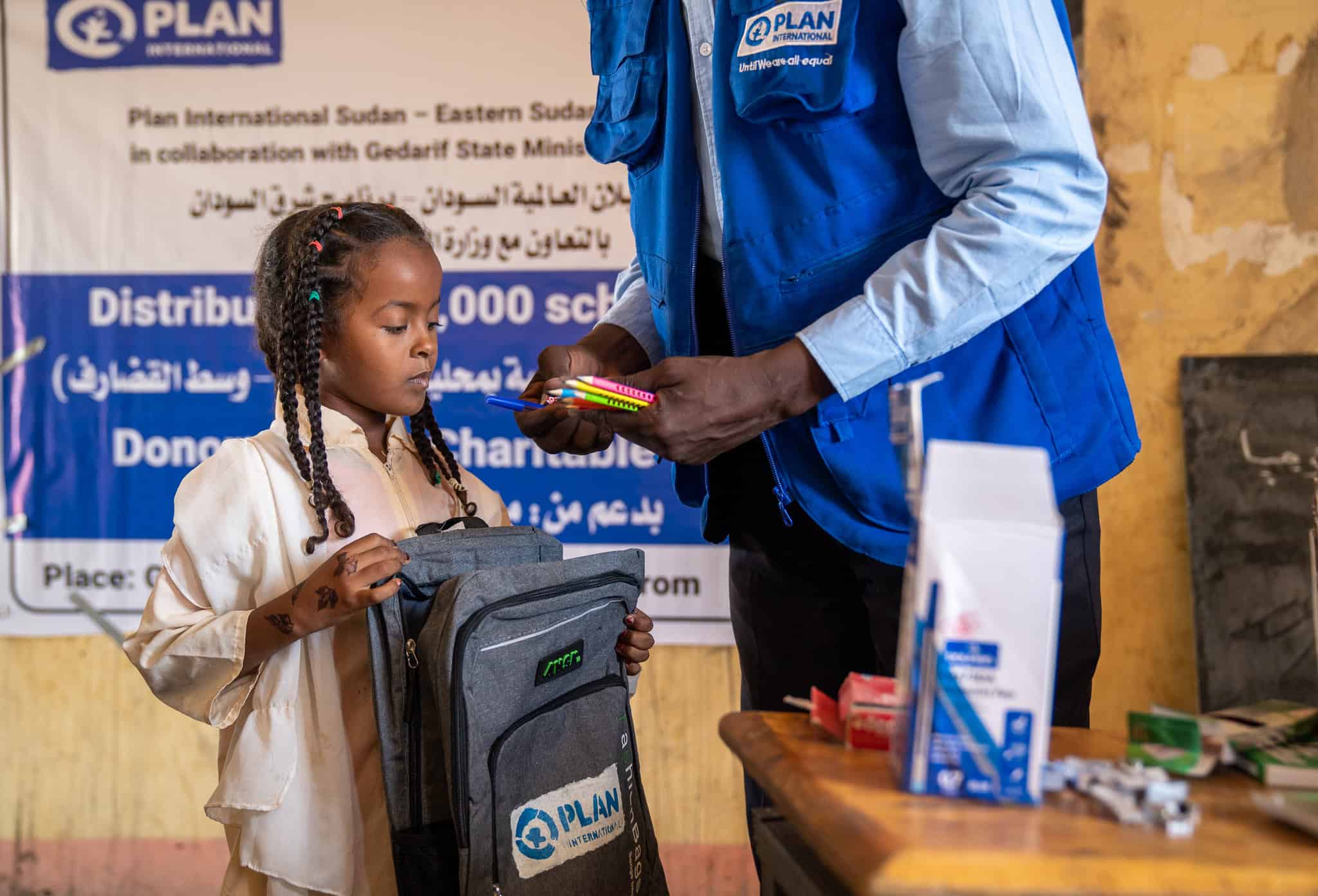
“Despite not having pens, paper and textbooks, we have seen determined teachers volunteer in their communities to ensure that children can keep learning, even through this brutal conflict.”
— Mohamed Kamal, Sudan country director, Plan International
In crises like Sudan’s, girls often face the steepest barriers — including caregiving burdens and early marriage — that keep them out of school.
3. Myanmar: Earthquake recovery through learning
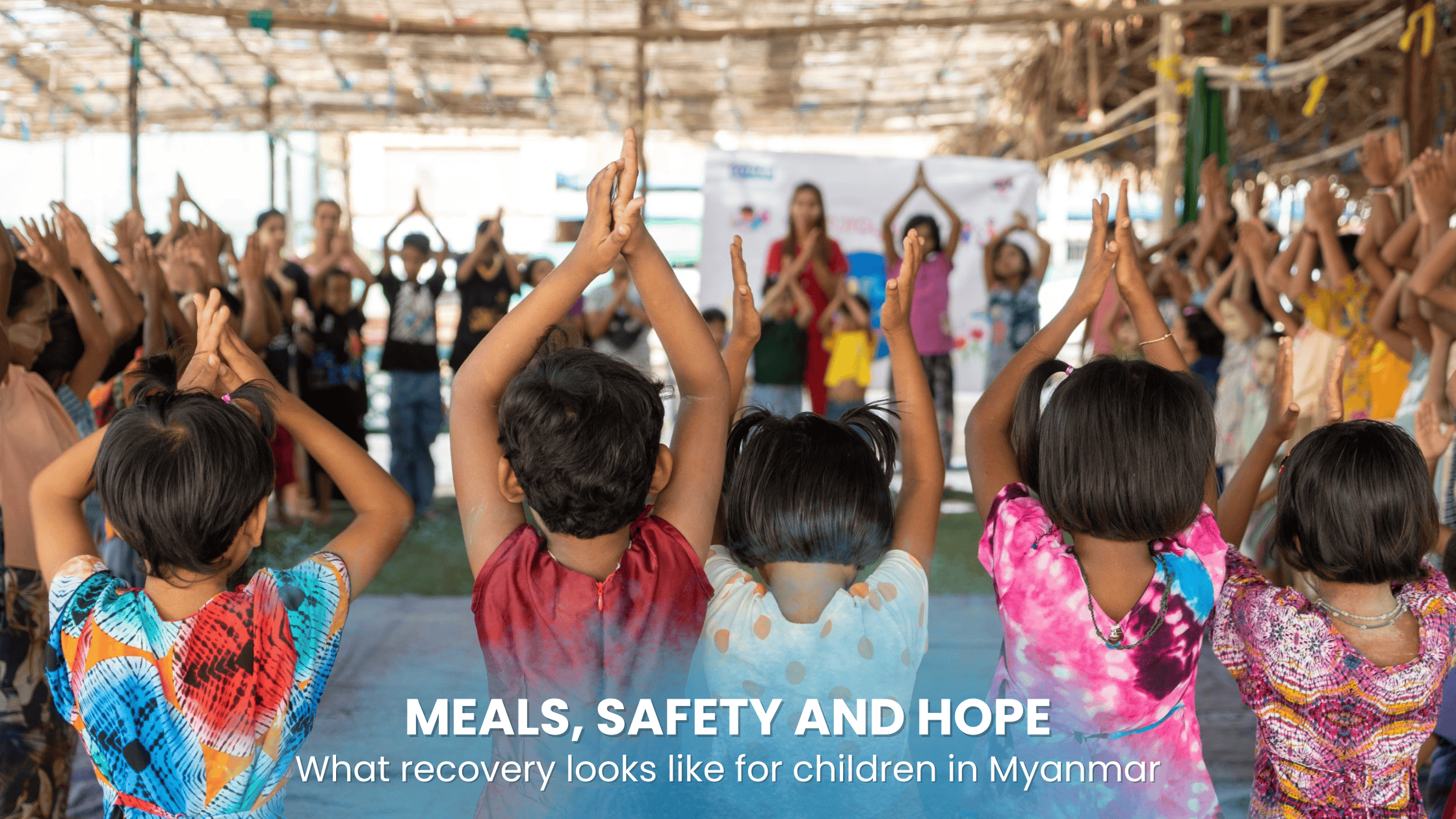
On Mar. 28, 2025, a massive earthquake struck central Myanmar, destroying nearly 4,000 schools and displacing more than 200,000 people. Children were left in shelters and open spaces, afraid and cut off from routine.
Nan, 23, remembers what it felt like. “I was quite scared when it happened. I had never experienced anything like it before. I didn’t expect an earthquake like that.”
Instead of dwelling on fear, Nan chose action. “Rather than dwelling on this, I should overcome it and focus on the things I can do for my future.” Today, she volunteers at a child-friendly space in Mandalay, helping children recover through play and learning.
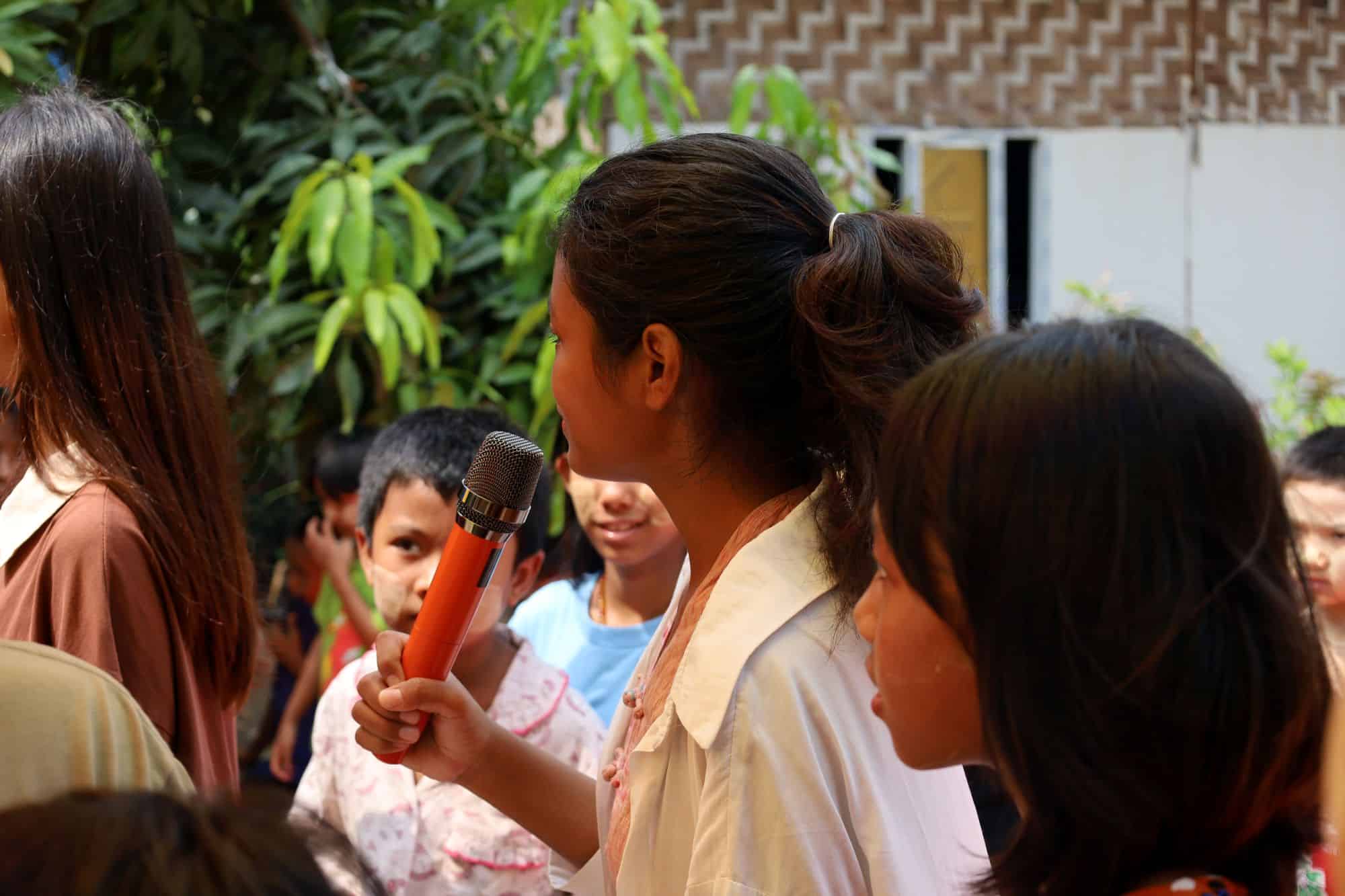
“At the child-friendly space, I registered the children and their parents. We read poems to them. We played games with them.”
4. Ethiopia: Hunger’s hidden toll on education
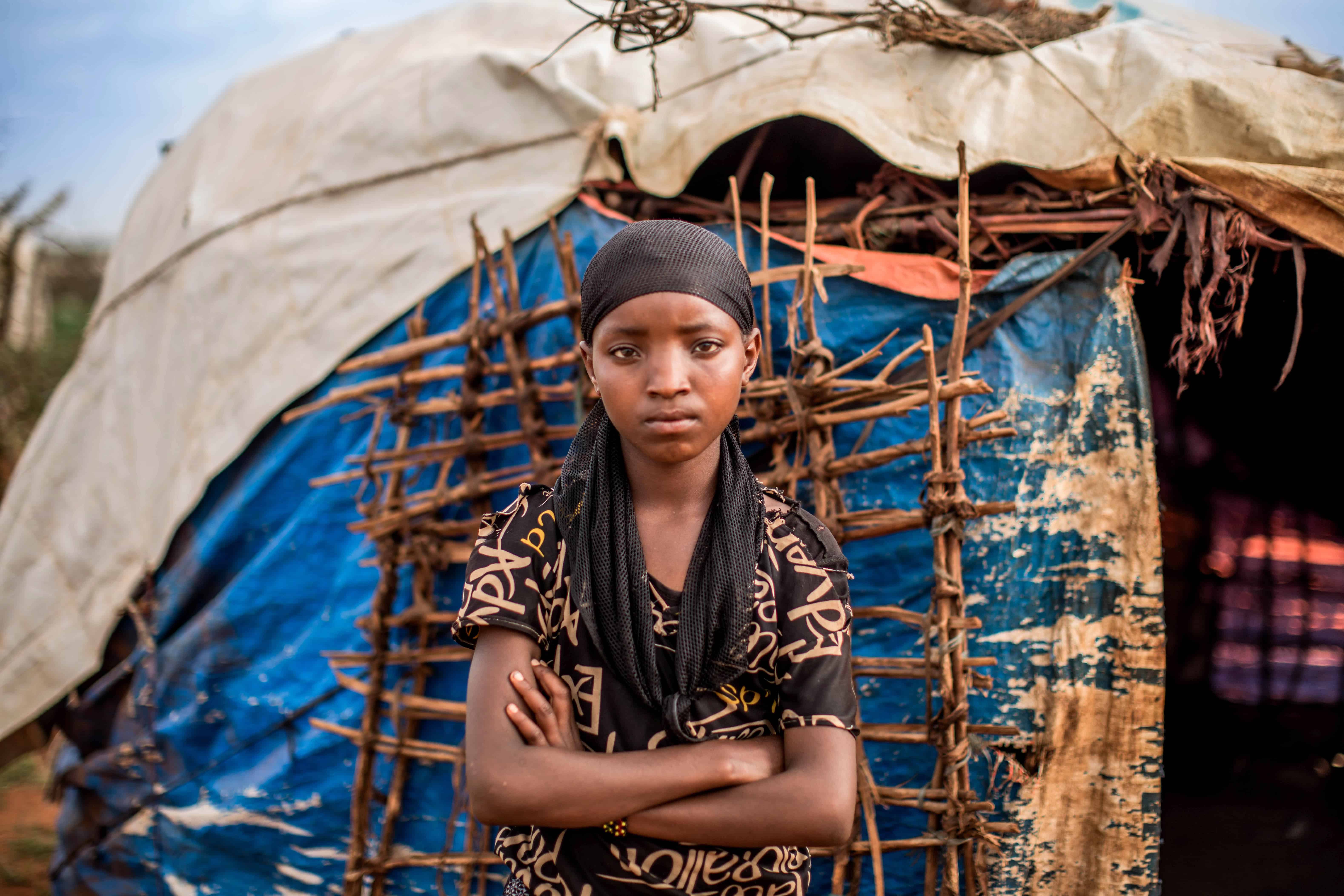
In Ethiopia’s Borena Zone, drought killed crops and cattle, leaving families without food. For 11-year-old Dabo, it also meant leaving school.
“I feel hungry and sad when there is no food at home. We don’t have food, so we are hungry every day. When there is no food, I feel faint and very tired. Hunger changes people’s lives and doesn’t make anyone happy.” — Dabo, 11-year-old girl, Ethiopia
Her neighbor Liban, a mother of six, knows the same struggle.
“My daughter, who is deaf, is supported by Plan to go to school. She received a school bag, pens and books, and a torch so she can study. If it wasn’t for Plan, she wouldn’t be able to go to school.” — Liban, 37-year-old mother, Ethiopia
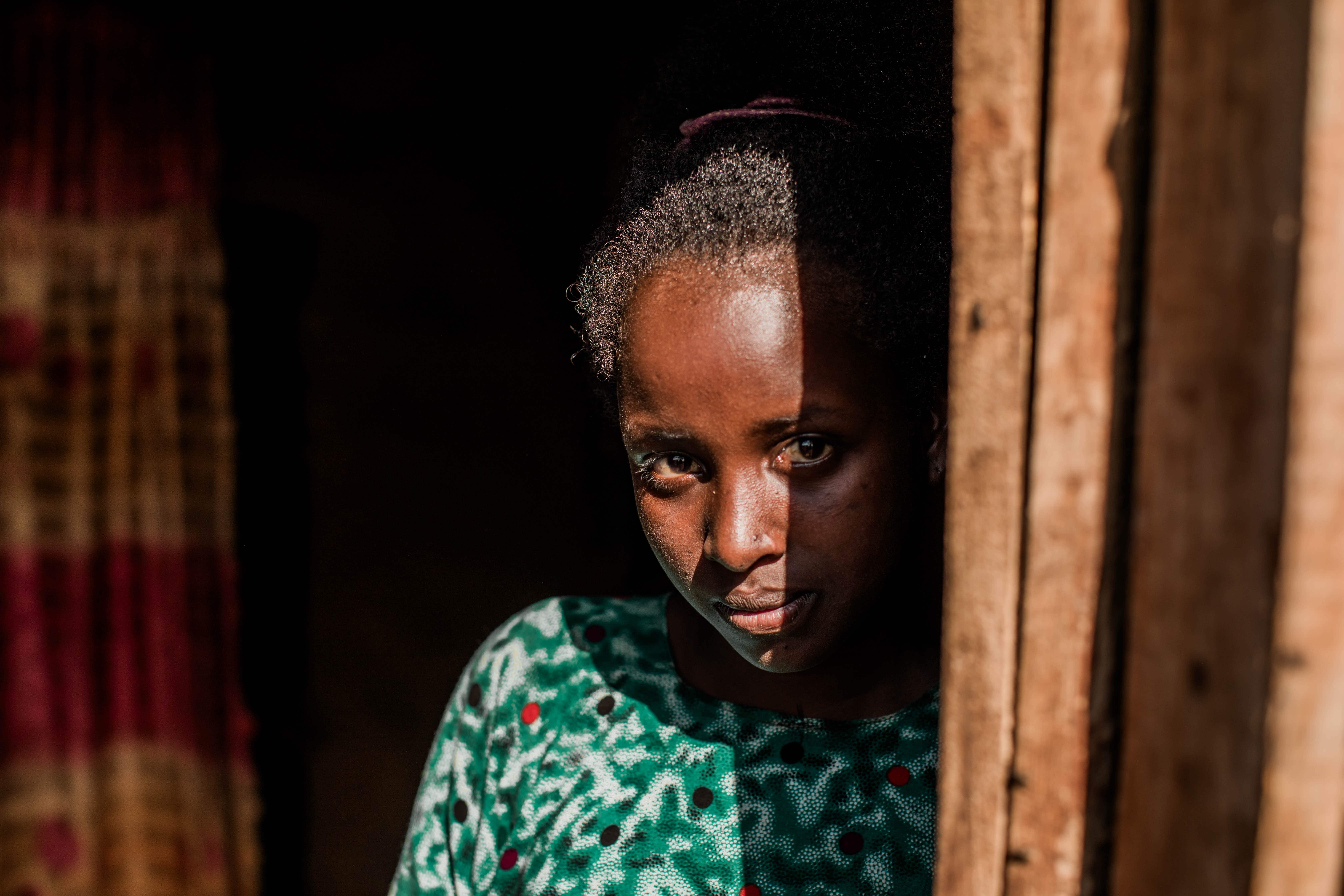
5. Global trends: Girls at highest risk of school dropout
When education is disrupted — whether by conflict, poverty or disaster — girls are often the first to lose their chance to learn:
- Out-of-school risk: Girls in crisis-affected areas are nearly 2.5x more likely to be out of school.
- Violence link: In Plan’s Real Choices, Real Lives study, 91% of girls reported experiencing violence, often in or near school.
- Child marriage: According to Plan’s State of the World’s Girls 2024 report, over half of surveyed girls had missed school due to conflict, with many forced into marriage.
Why we must protect schools as safe havens
From the rubble of Gaza to the displacement camps of Sudan, from Myanmar’s earthquake recovery to Ethiopia’s hunger crisis, one truth is clear: children refuse to give up on learning.
And the threat isn’t limited to conflict zones. Around the world, even in wealthier countries, education is under pressure. Abrupt foreign aid cuts and shrinking domestic budgets put children’s futures at risk.
Children and their families are fighting to hold on to learning. Our responsibility is to stand with them — and to protect education from attack, neglect and disruption.
We’re calling on you to take action, because every child deserves the chance to learn, lead, decide and thrive.
Help protect a child’s education
FAQs: Protecting education from attack
Q: What does it mean to protect education from attack?
A: It means ensuring schools remain safe spaces during conflict or disaster, free from military use or violence.
Q: Why are girls more affected in education emergencies?
A: Girls face higher risks of child marriage, early pregnancy, and violence when schools close, making them 2.5 times more likely to drop out than boys.
Q: How does hunger impact learning?
A: Hunger forces children to leave school and prevents them from concentrating. Families often must prioritize survival over education.
Q: Why is uninterrupted learning so important?
A: It provides safety, routine, and hope. Education is as vital in emergencies as food, water, or shelter.
Q: What can I do to help protect schools in crisis zones?
A: You can advocate, share their stories, and donate to Plan’s education in emergencies programs that help children continue learning.