Part 2 of a photo essay series on access to education in Latin America
Photos by Chris de Bode for Plan International
In many communities, the path to education is shaped by fear, distance and gendered expectations. For girls, the risks can include harassment, violence and pressure to leave school early. For boys, economic demands often pull them out of the classroom long before they are ready.
This second installment of School Matters shares four stories from Ecuador, Peru and Bolivia that show how safety, gender and poverty continue to shape who gets to learn and who is left behind.
Fear on the walk to school in Ecuador
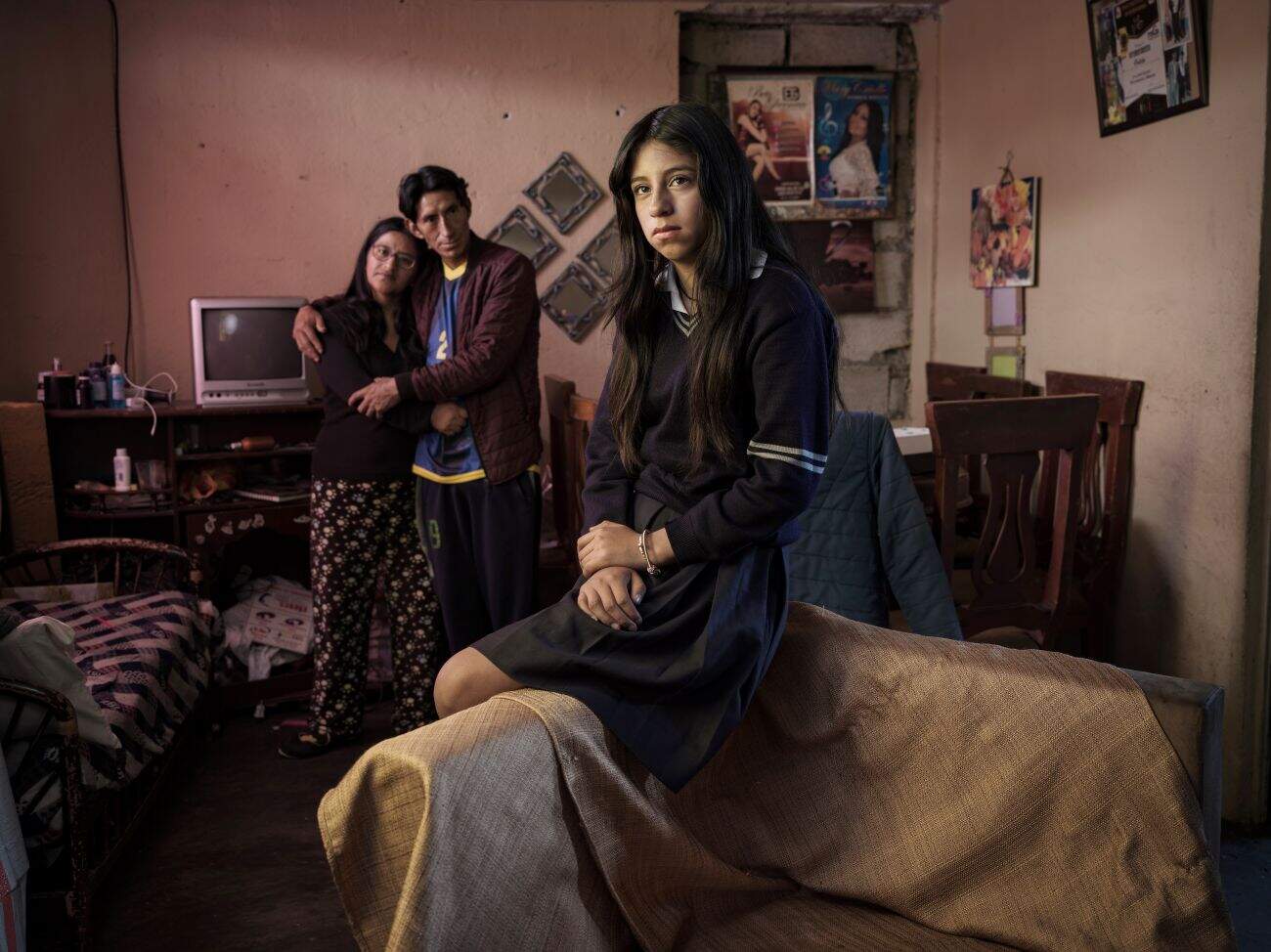
Erika, 12, walks to school in Ecuador where concerns about safety shape her daily routine. © Chris de Bode / Plan International
For 12-year-old Erika, the walk to school carries a constant sense of fear. Sexual violence in and around schools is widespread in her community, and her parents worry every day about her safety.
“A motorcycle followed me. The driver cut me off and tried to grab me. It was really scary.”
Erika, 12, Ecuador
Her father believes schools must do more to protect children and provide education about consent and safety. Erika wants to continue studying. Her family wants her to stay safe.
Bridging the learning gap in Peru
Alicia, 12, attends an all-girls secondary school in Peru after struggling with gaps in her early education. © Chris de Bode / Plan International
At 12, Alicia is working to catch up on lessons she never fully learned in primary school. The transition to secondary education has been difficult, especially in mathematics, where the foundation was never firmly built.
“I didn’t know how to multiply or divide, or even about odd numbers.”
Alicia, 12, Peru
With support from her older sister, who now attends university, Alicia studies every evening. Her goal is clear and steady: she wants to continue learning and follow the same path.
Pursuing dreams despite daily risks in Peru
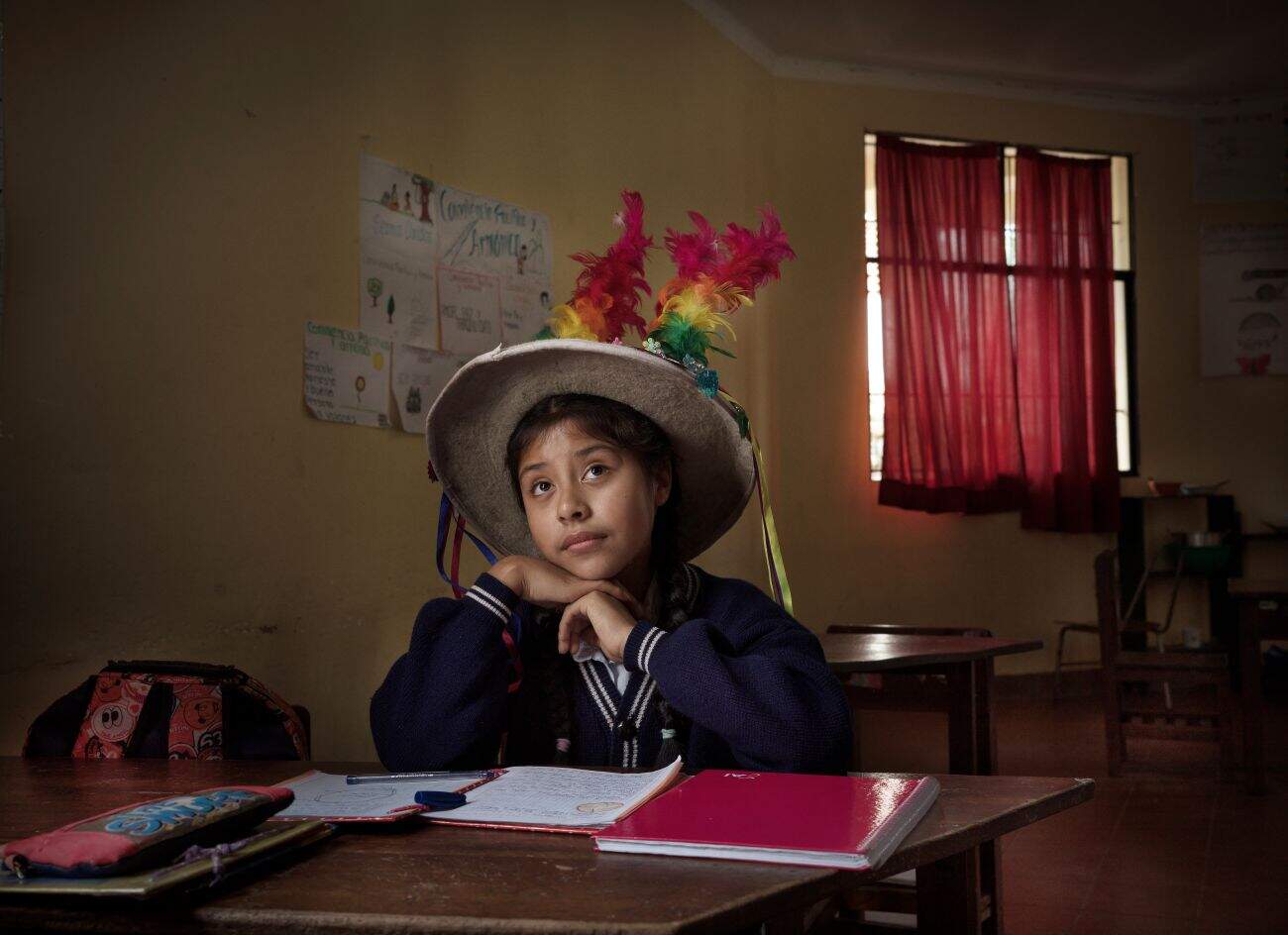
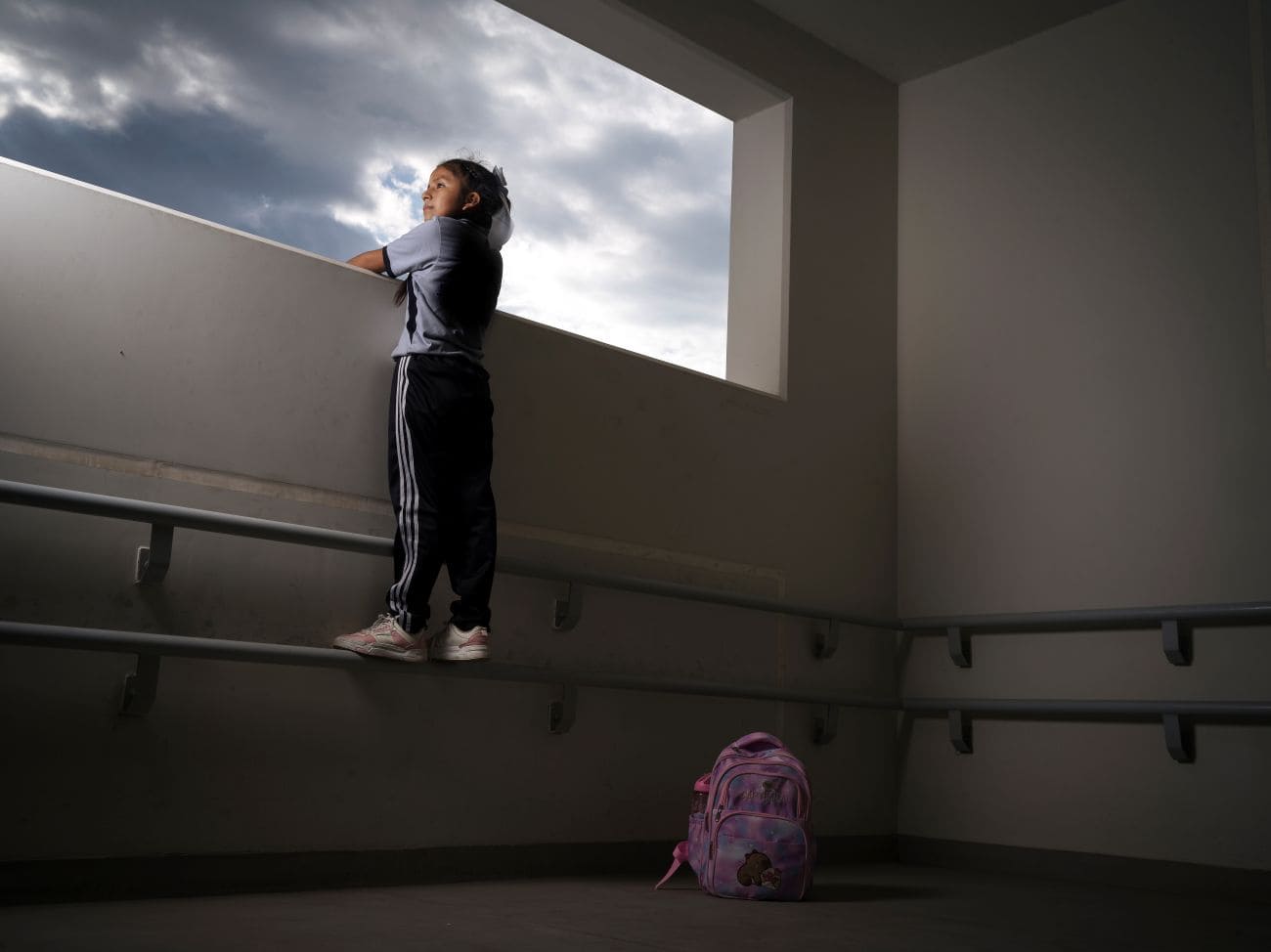
Violeta, 11, travels to school in Peru where safety concerns are part of her daily routine. © Chris de Bode / Plan International
Eleven-year-old Violeta dreams of becoming a ballerina. School is a place of joy and belonging for her, but the journey to get there is often unsafe.
“Sometimes there are drunk people on the road. When I don’t walk with my brother, they try to harass girls like me.”
Violeta, 11, Peru
Despite the risks, Violeta keeps going. Education remains her safe space, even when the path to reach it is not.
Balancing work and school in Bolivia
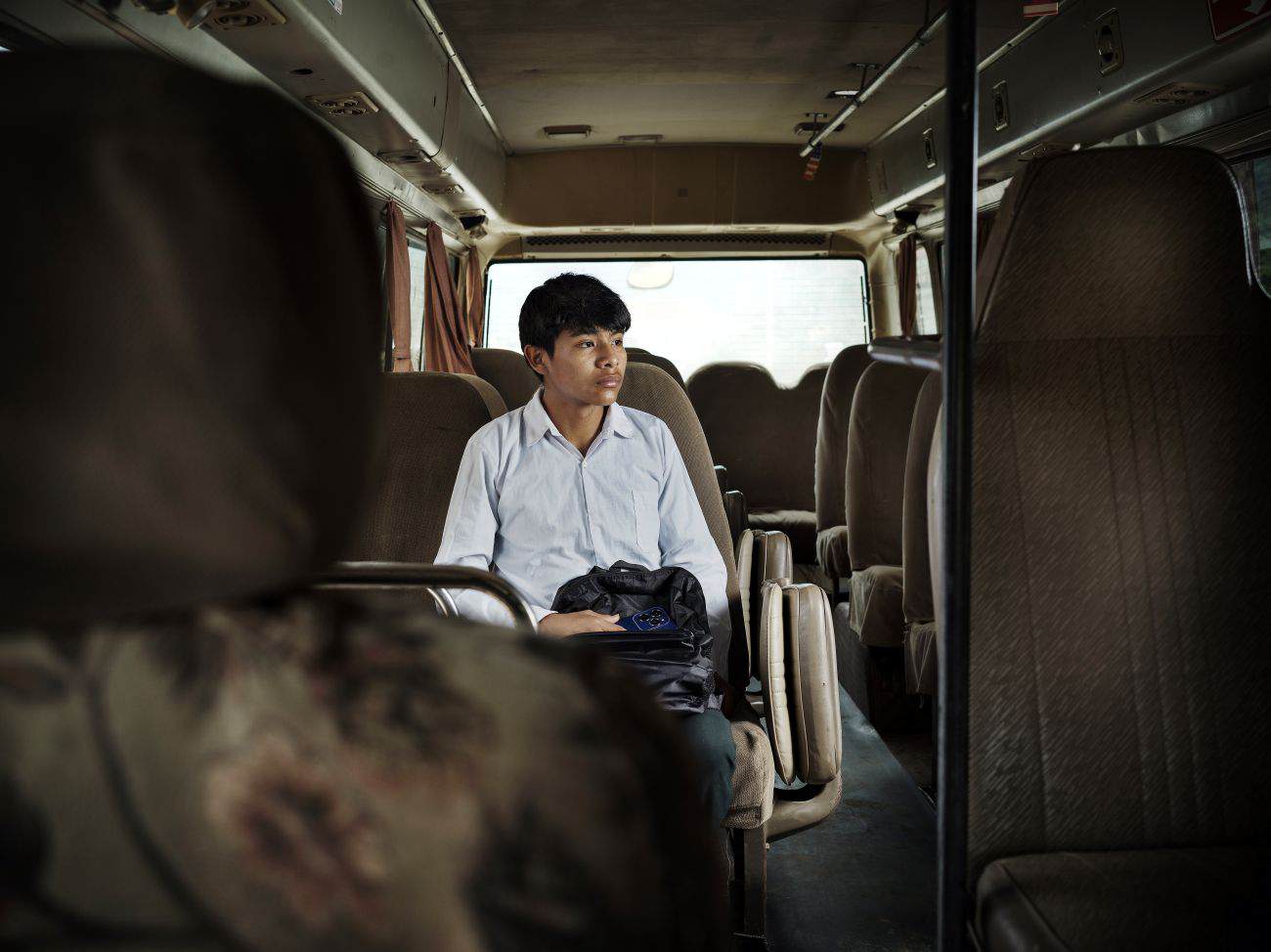
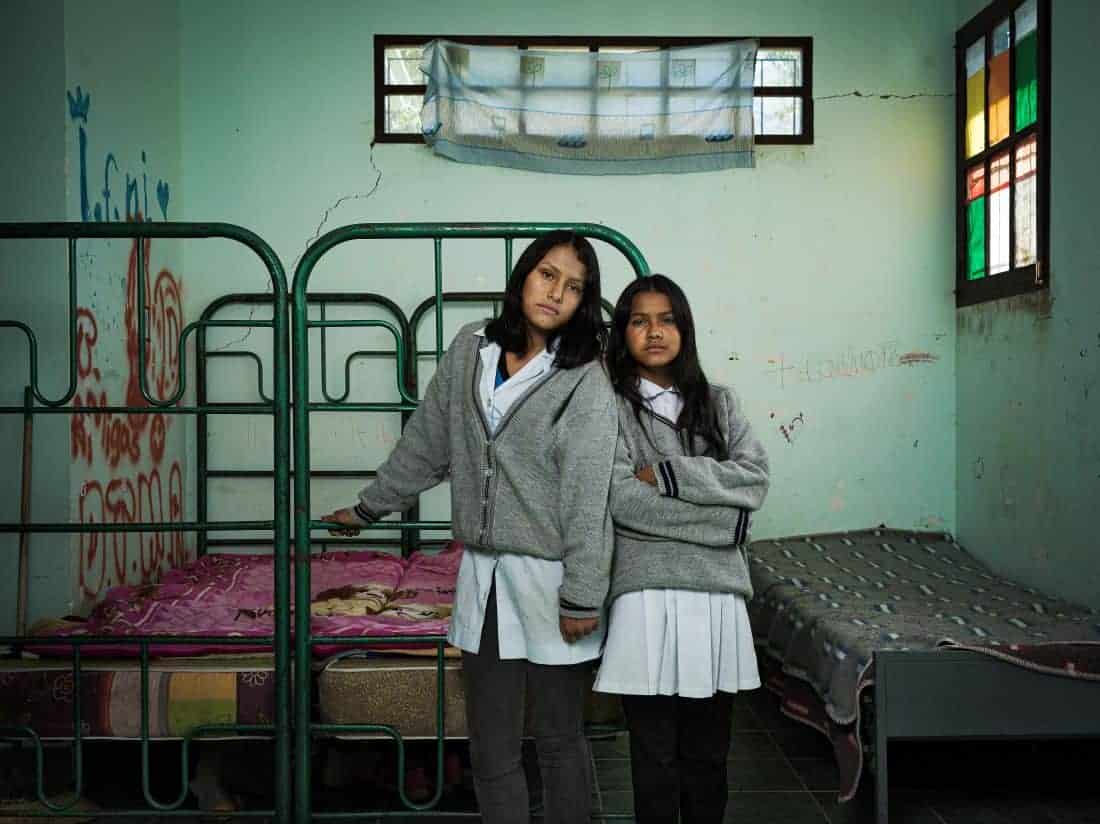
Miguel, 15, balances school and farm work in Bolivia to support his education. © Chris de Bode / Plan International
In Bolivia, boys are often expected to work long before they finish school. Miguel, 15, lives at a boarding school during the week and returns home on weekends to earn money in the fields.
“I use all of it for food and school supplies. I have to look after myself.”
Miguel, 15, Bolivia
His goal is simple and far-reaching. He wants to finish school and earn a diploma, even as economic pressure threatens to pull him away.
Why these stories matter
Safety concerns, learning gaps and economic pressure continue to shape who can stay in school across Latin America. When education systems fail to protect and support children, the risks fall hardest on girls and on families already living with limited resources.
These stories show that access to education is not just about classrooms. It is about safety, dignity and the ability for every child to learn without fear.
About the Global Partnership for Education
The Global Partnership for Education is the world’s largest multi-stakeholder fund and partnership dedicated to transforming education systems in lower-income countries. For nearly two decades, GPE has brought together governments, civil society, teachers, youth, the private sector and philanthropy to expand inclusive, quality education for every child.
GPE supports countries to strengthen education systems, mobilize domestic financing, improve equity and efficiency and deliver lasting systemwide change. Its 2026–2030 Case for Investment calls for urgent, sustained financing to close the global education funding gap and ensure every child, especially every girl, can learn and thrive.
About the project
The Safe Horizons: Andean Alliance for Disaster-Resilient Education project is funded by ECHO and implemented by Plan International in Bolivia, Peru, Ecuador and Colombia. The initiative helps children and young people safely access education and succeed in school and beyond.
About Chris de Bode
Chris de Bode is an international award-winning documentary photographer and film director. He has worked in more than 90 countries, focusing on humanitarian and social issues.