In the fight for gender equality, the terms equality and equity are sometimes used interchangeably, leaving people to think they mean the same thing. While they are two sides of the same coin, they actually refer to different things.
Equality is the principle that everyone should be treated the same way, regardless of their gender, race, sex, religion and other characteristics. So, gender equality is the idea that people of all genders should have the same rights, access to resources and opportunities for success.
Equity, however, refers to providing each person with what they need to achieve success and equality to others. The idea is that people have different needs and experiences, and those differences need to be considered to achieve fairness. In the context of fighting for gender equality, equity looks like addressing the specific and unique challenges girls and young women face, like gender-based violence and child marriage. It also considers intersectional identities, like race and class, and how they impact girls’ individual experiences.
At Plan, our work for gender equality around the world includes using equity measures to address the unique challenges girls are facing. And we believe the best people to lead in addressing those challenges are girls themselves. That’s why we’ve developed an entire program approach, GirlEngage, to make sure girls have direct input in developing the solutions that will change their lives for the better.
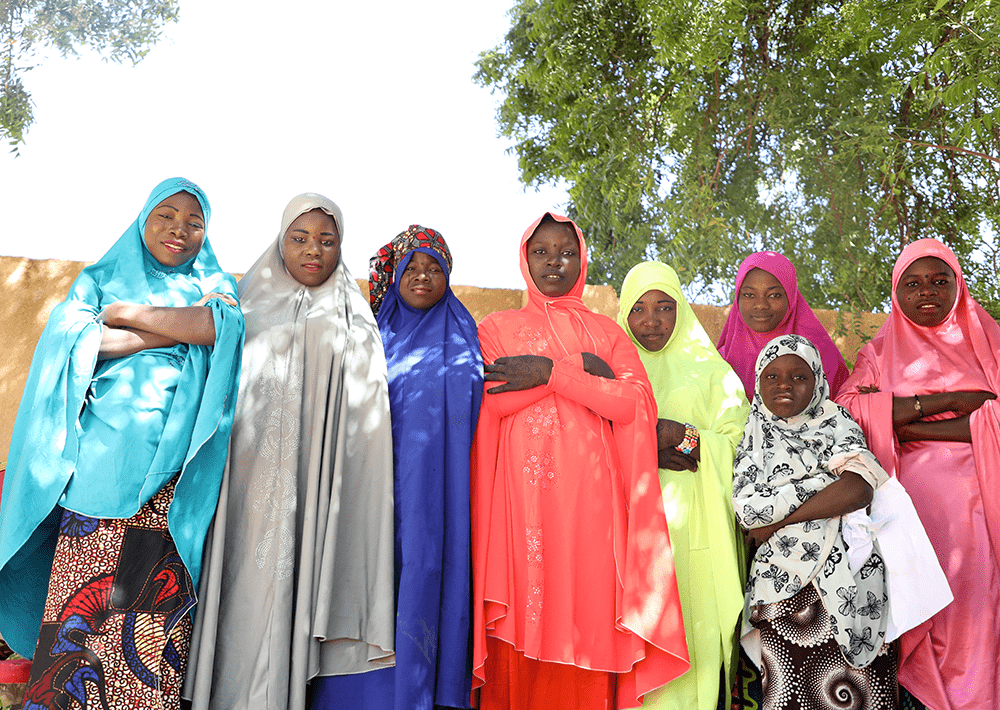
Girls in a Plan project in Niger formed a steering committee to oversee activities that support an end to child marriage in their communities.
Let’s consider how achieving equality in education involves gender equity. While poverty affects all children’s ability to go to school — and the goal of gender equality is to ensure every child can do so — girls face particular barriers that make education even more difficult to access.
[Read more: “I am sure that I will finish high school”: How sponsorship makes a difference]
Girls are more likely to be pulled out of school and forced into marriage. They’re expected to become homemakers instead of pursuing a career. Without access to resources like clean water and period products, they can’t manage their periods at school and instead have to stay home. Extended absences from school often lead to girls dropping out altogether because they don’t have support to catch up if they fall behind. And stereotypes about girls’ abilities discourage them from pursuing academic achievement.
These are just a few things that keep girls from a quality education.
In many communities in Bangladesh, talking about menstrual health, sexual and reproductive health and rights, and adolescent health is taboo. Girls grow up without the information they need to make informed decisions about their bodies, and they don’t have the resources necessary to care for their bodies, either.
There are no laws explicitly prohibiting girls from going to school in Bangladesh, which means technically there is legal equality. But using an equity lens means acknowledging that there are still factors separate from the law that specifically hinder girls’ access to school. Addressing these issues is necessary to achieving equality in all spheres of life.
“The girls need to know about the basics of [menstrual health management], so that they can adopt them into their lives and stay safe,” Abdul, a teacher in Bangladesh, says. “Otherwise, they will be at risk of facing serious health issues and may drop out of school.”
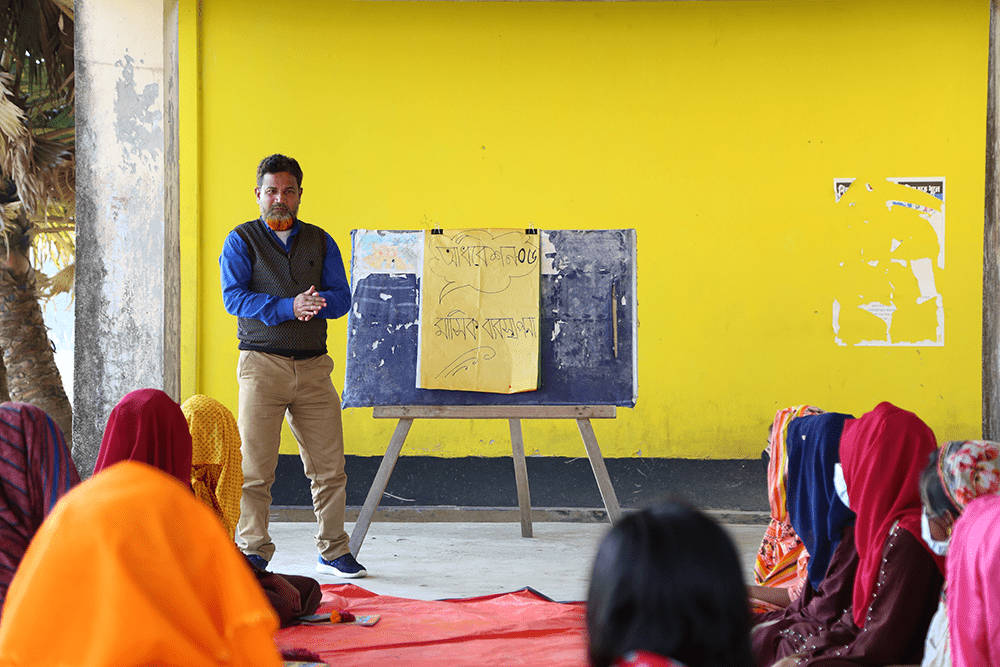
Even before getting involved with Plan, Abdul noticed inequities that hinder girls’ ability to thrive at school. “This is a coastal region,” he says. “Most of the girls come from lower-income families. They do not even have the ability to buy [menstrual] pads.”
Abdul attended a training organized by Plan on a gender equity education model, where he learned about gender, sexual and reproductive health and rights, and adolescent and menstrual health management.
Now, he teaches all of his students about these topics in a sensitive and inclusive way so that everyone has the knowledge they need to take care of their own health. And, with the support of other teachers and the school management committee, there are now pads available for girls to use when they get their periods.

Girls from Abdul’s school now have period products available to them while they’re in class, meaning they don’t have to stay home when they get their periods.
Addressing menstrual and reproductive health so adolescent girls can safely and confidently manage their periods at school (and at home) eliminates a barrier that keeps girls from their education. For girls in communities like Abdul’s, in order to achieve equality in education, equity must also play a part.