Centering girls’ protection, education and mental health in disaster response
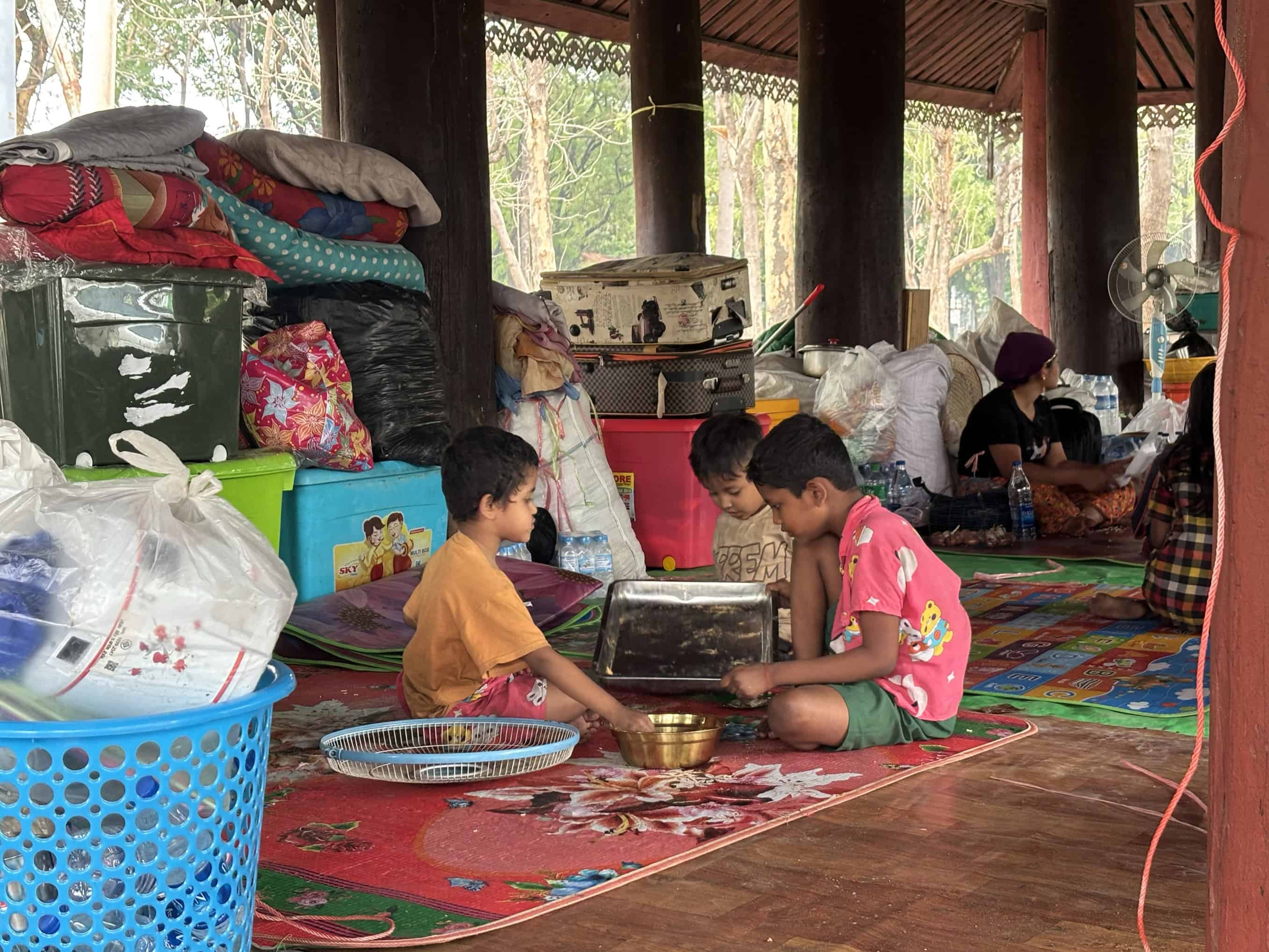
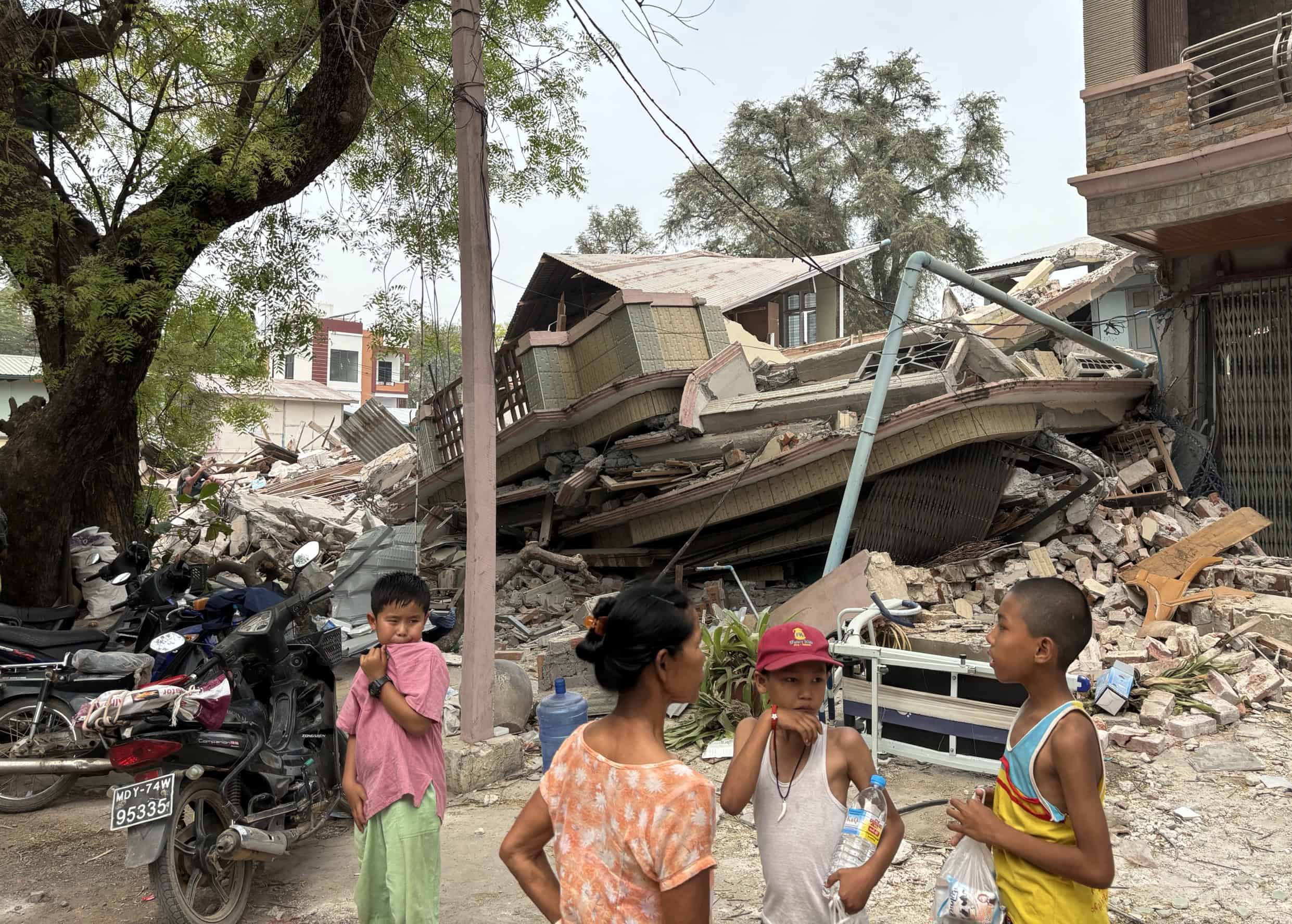
Frank Manfredi, vice president for humanitarian programs at Plan International USA, wrote this article. For more information on Plan’s work, please get in touch with Frank Manfredi at frank.manfredi@planusa.org. When a 7.7 magnitude earthquake struck central Myanmar on March 28, the world’s attention quickly shifted to the destruction. Homes, hospitals and schools were destroyed. Roads and bridges collapsed. Families were displaced overnight, forced to seek shelter wherever they could. The confirmed toll now exceeds 3,500 deaths, with nearly 5,000 injured and over 200 people still missing. But for thousands of girls, the most dangerous aftershocks were just beginning. In displacement settings where normal social and protective structures break down, girls face heightened risks of trafficking, violence and being pulled permanently out of school. Without urgent action, thousands of girls are at risk of losing their future. At Plan International, we are committed to standing with girls during this critical time. Despite challenges on the ground, our focus is clear: protect children’s rights, ensure adolescent girls are not left behind and provide survivors with the tools they need to rebuild their lives with dignity. The scale of devastation is massive. Beyond the physical destruction, displacement has severed the critical support systems children — especially girls — rely on. Without the stability of school, family networks and safe spaces, protection risks escalate quickly. In the chaos that follows a disaster, adolescent girls are often the first to lose access to education — and the last to regain it, if they return at all. Globally, around 129 million girls are already out of school. Emergencies like this one push that number even higher, closing the door on opportunity for generations to come. Today, girls in Myanmar face escalating threats, including: — Increased risk of human trafficking due to displacement and dislocation. — Violence and exploitation in displacement settings. — Growing mental health challenges without access to services. — Long-term disruption to their education. Over 24,000 schools have been affected, with 1,800 schools damaged or destroyed, further threatening girls’ access to education.