A sector in transition
What happens when the old models no longer work?
From rising development and humanitarian needs to shrinking aid budgets, the development sector is under pressure. For organizations working at the intersection of education, protection, economic stability and gender equality, the stakes couldn’t be higher.
At Plan International, we’ve been asking ourselves tough questions: How do we adapt to a volatile funding landscape without compromising quality or equity? How do we stay accountable to communities while transforming how we deliver?
This blog shares what we’re learning from Latin America and the Caribbean and how our teams are applying those lessons in real time.
The development landscape is changing
Foreign assistance continues to decline. Foundation funding is harder to access. At the same time, the needs of children — especially girls — are growing more complex and urgent. Climate shocks, economic instability, displacement and violence continue to disrupt education, compromise community safety, strain families and increase risks for youth.
We’ve had to face a hard truth: Yesterday’s tools don’t meet today’s challenges. So we’re evolving — not just to survive, but to stay resilient and focused on what matters most.
How Plan International is adapting development models
Smarter, more efficient delivery
We’re investing in community-led approaches, reshaping partnerships and designing delivery models that reduce costs while expanding reach. This includes combining services across sectors, simplifying internal structures and collaborating more effectively with local actors. By using unrestricted resources alongside co-investments from new partners, we’re reducing duplication and staying agile in complex environments.
Decisions grounded in evidence
We use real-time insights from program implementation to refine our approaches and respond to evolving local contexts. Learning from what works — and where we need to improve — helps us adjust strategies without compromising outcomes.
Co-creating with local and regional partners
We build solutions with youth- and women-led organizations, government institutions and the private sector. In many cases, this means aligning program design with market realities, so that our work supports sustainable systems and long-term impact.
“I believe that both governmental and non-governmental organizations are striving to adapt to the evolving landscape of international cooperation by taking more proactive rather than reactive approaches.
This shift requires greater collaboration among organizations, with an emphasis on joint actions and, above all, a commitment to community-based organizations. These local actors not only operate with lower overhead costs but also achieve high impact in their interventions.
At the same time, many organizations have diversified their financing sources. This has enabled them to update their operational models and organizational structures, making them more resilient and better equipped to respond to current challenges.”
— Luis Fernando Morataya, employment and entrepreneurship advisor, Plan International Guatemala
From strategy to impact: What adaptation looks like in practice
These shifts are shaping real outcomes across Latin America and the Caribbean. Our teams are applying new approaches to:
— Invest in locally led solutions
— Align programs with real labor market needs
— Partner across sectors to strengthen systems
— Use evidence to adjust programs in real time
Real-world case studies: Community-led development in action
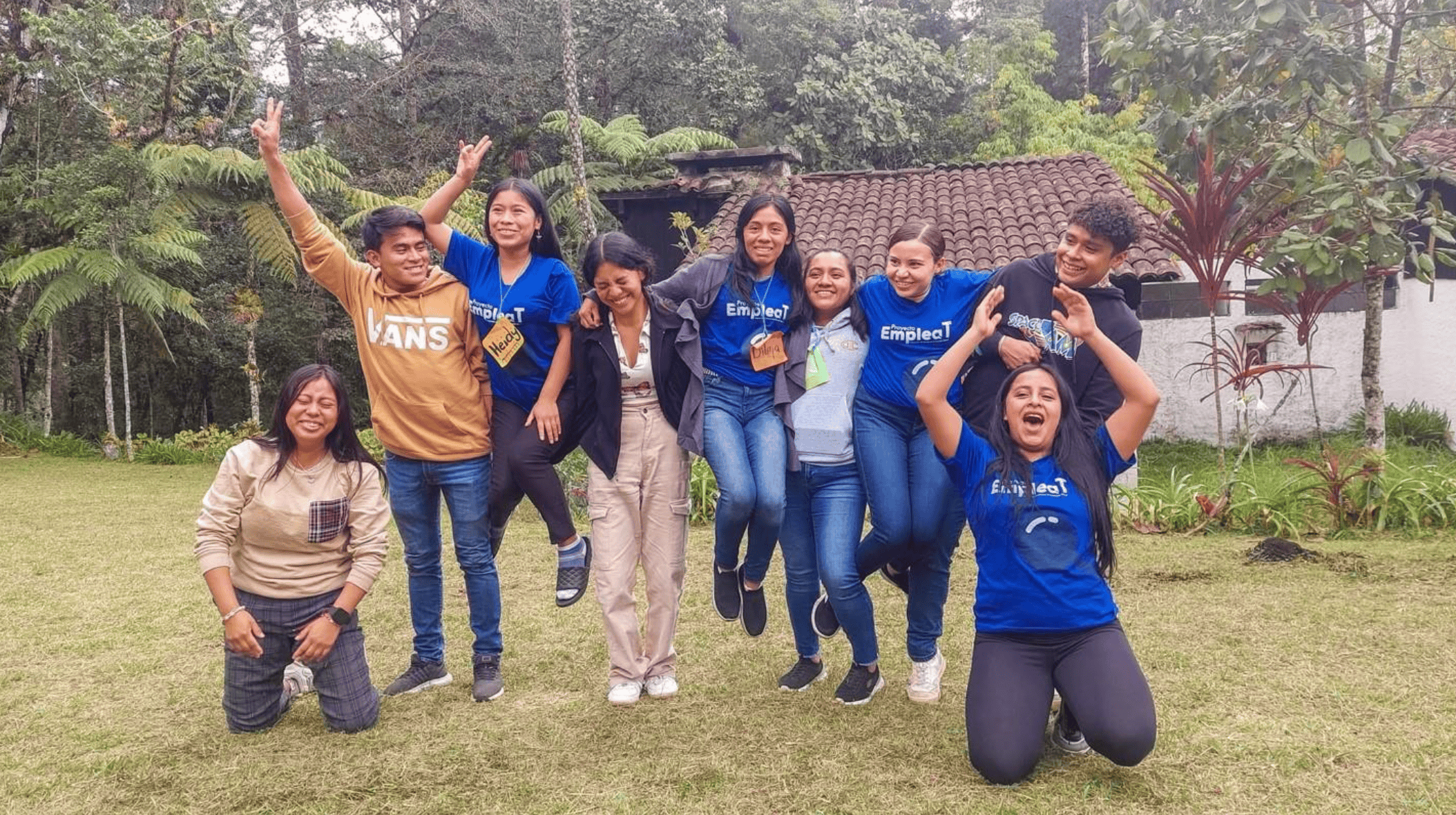
Guatemala: Income growth through EMPLEA-T
Objective: Integrate youth into the labor market by strengthening their technical skills for innovative, sustainable enterprises.
What we achieved: Participating youth increased their net monthly income by over 200% after job readiness training.
Guatemala: Reducing absenteeism by 82 percent
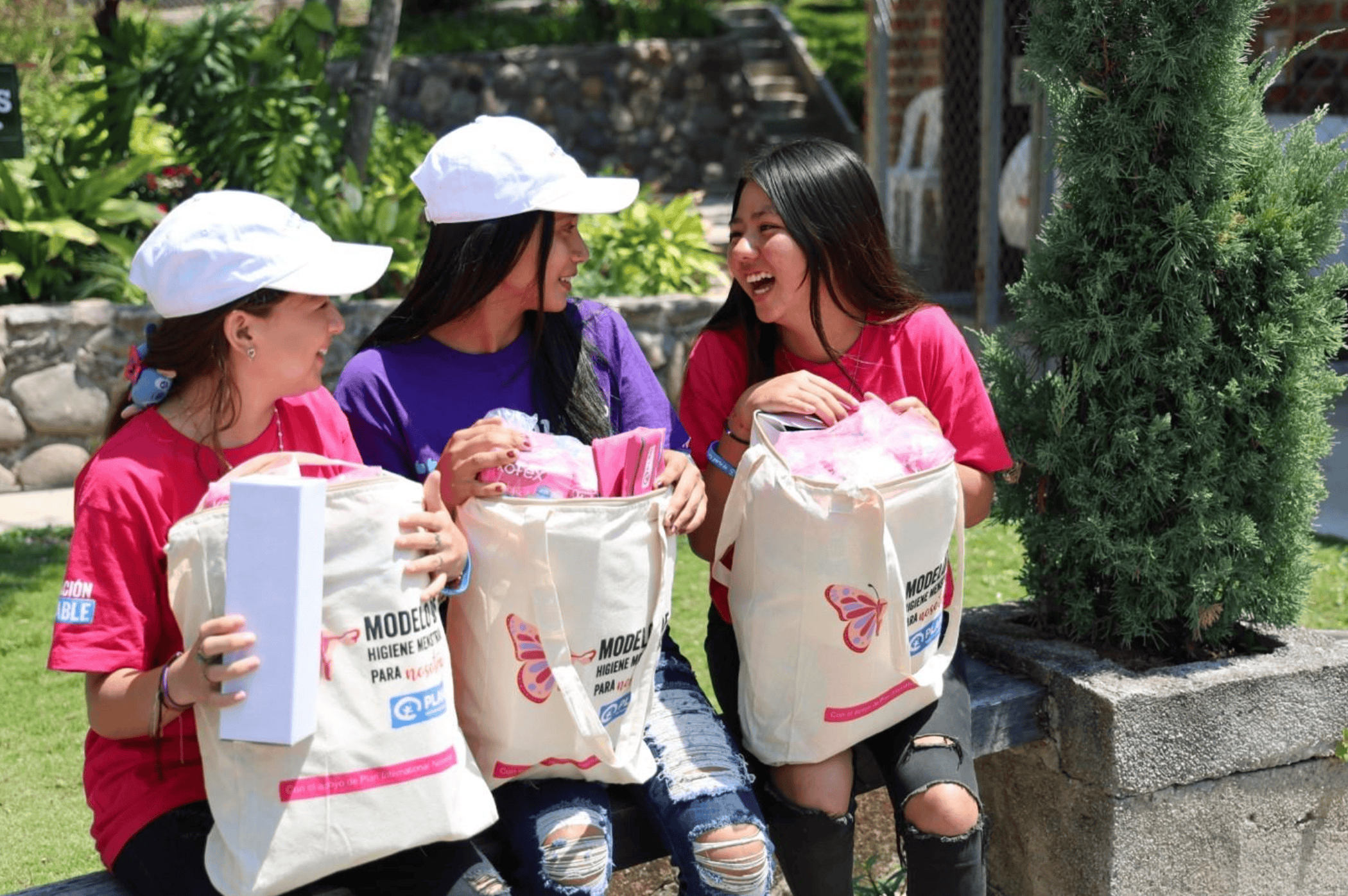
Objective: Empower school-aged girls to manage menstrual health and stay in school.
What we achieved: The Eliminating Barriers to Education initiative reduced absenteeism by 82% in high-risk communities.
El Salvador: Market-driven youth employment
Objective: Equip vulnerable youth, especially young women, with market-relevant skills.
What we achieved: In partnership with the American Chamber of Commerce in El Salvador, we co-designed job training and mentorship aligned with real job demand.
Bolivia: Rapid response to 2024 floods
Objective: Provide emergency food, water and sanitation aid to flood-affected communities.
What we achieved: Over 4,300 families received aid through a coordinated response with national and local actors.
Peru: Expanding access to preventive health
Objective: Reduce disease risk from climate emergencies in Loreto, Peru.
What we achieved: Reached 20,000+ people in vulnerable areas by strengthening local health systems.
Key lessons from adapting development programs
“Lo que coseches mañana será fruto de lo que siembres hoy.” — Spanish proverb
This proverb reflects the long-term, community-rooted approach that drives our work. We’re learning that:
— Innovation thrives in deeper collaboration with local actors.
— Adaptive programs deliver greater impact.
— Impact grows when communities co-own the solution.
This moment calls for bold collaboration and shared accountability to navigate the growing complexity of development work.
Joining forces for sustainable development impact
We invite peer organizations, funders and partners to join us in reimagining how we deliver impact — not just with new tools, but with new mindsets.
Until we are all equal.