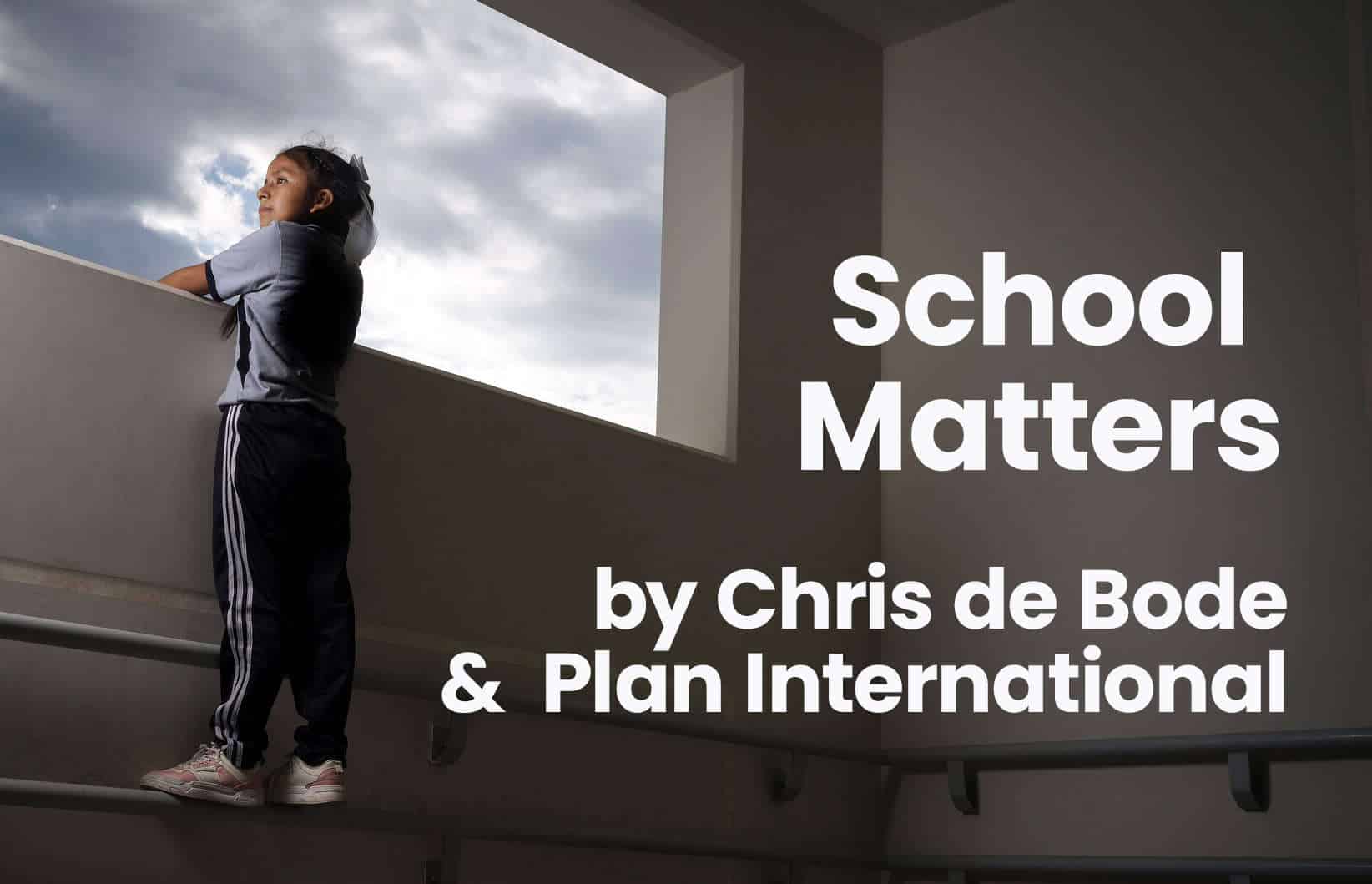
Part 1 of a photo essay series on access to education in Latin America
Photos by Chris de Bode for Plan International
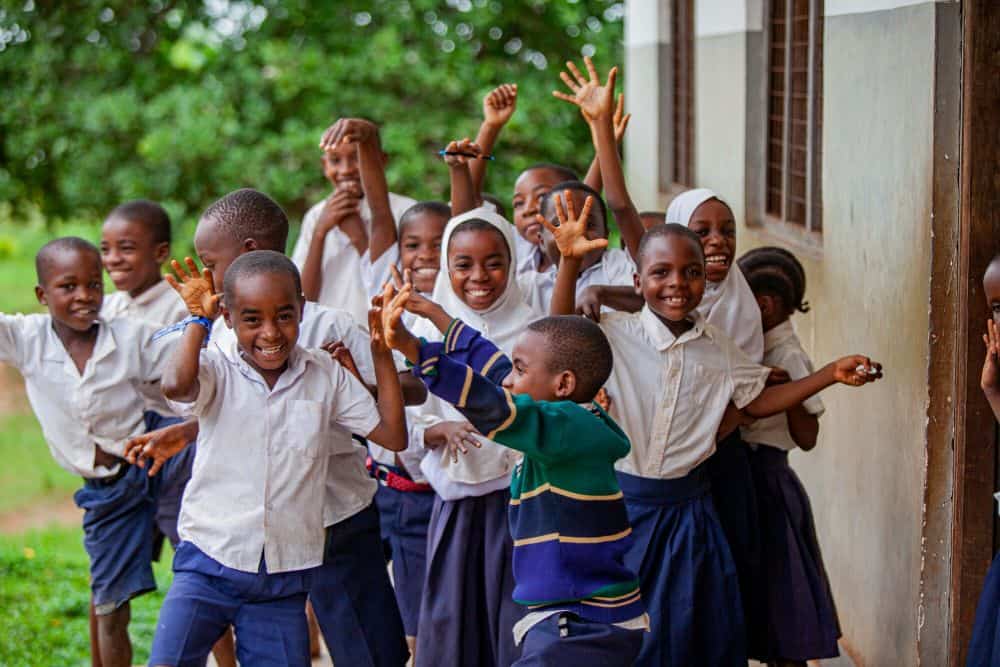
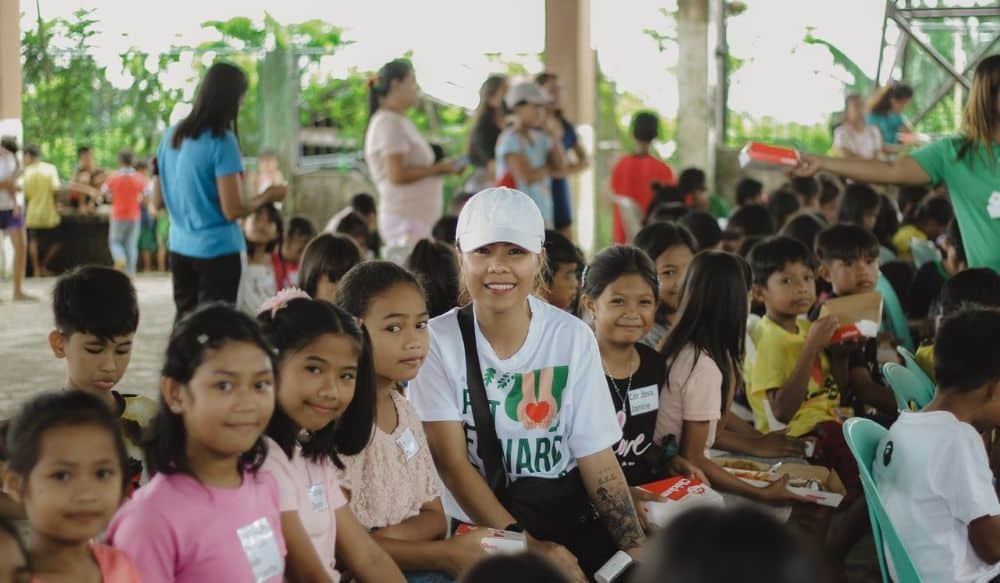
Around the world, children are traveling farther, risking more and overcoming greater obstacles for the chance to learn. In Latin America alone, students cross floodwaters, walk unsafe roads and study in classrooms at risk of collapse. These stories reflect the wider pressures facing education globally and the urgency behind investments that build resilient, inclusive learning environments.
This first installment of School Matters highlights four stories from Bolivia and Peru that show what it takes for children and families to stay connected to education.
Holding a family together through education in Bolivia
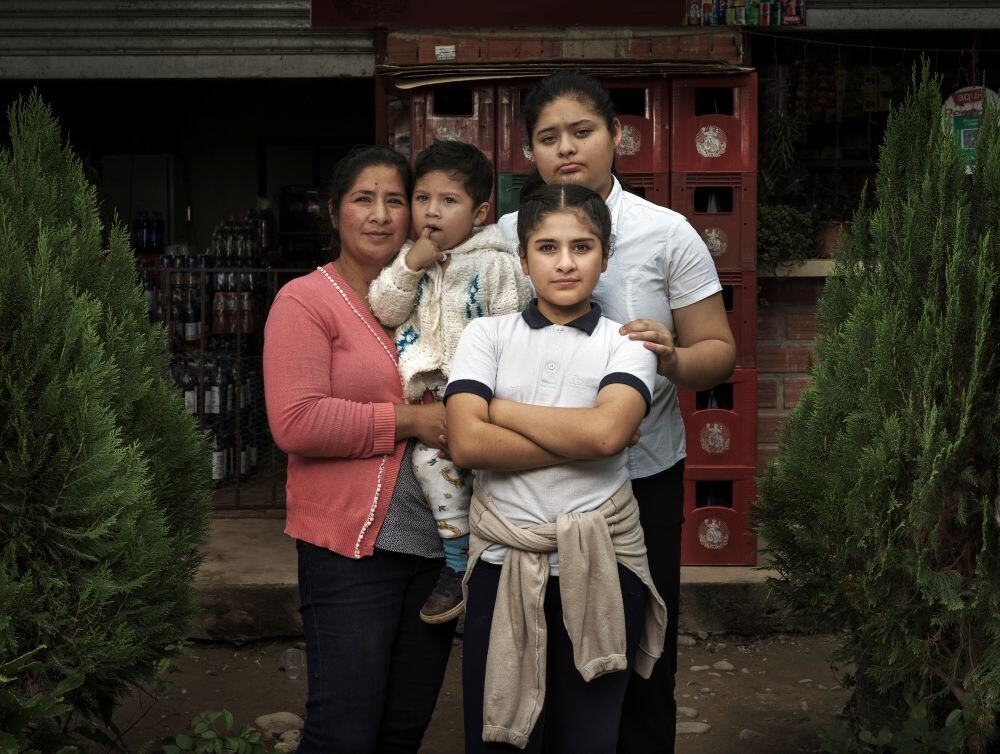
Dalita, 37, is raising her children alone in Bolivia while working long hours to keep them in school. © Chris de Bode / Plan International
In the Tarija region of Bolivia, Dalita wakes before sunrise to open her small shop. A single mother, she works from early morning until late at night to afford school supplies, uniforms and transportation for her children.
“I’m not the kind of mom who gives up. I would sacrifice anything for them just to make sure they can stay in school.”
Dalita, 37, Bolivia
Despite rising costs and uncertainty, Dalita remains determined that her children will continue their education.
A boarding school as the only option for sisters in rural Bolivia
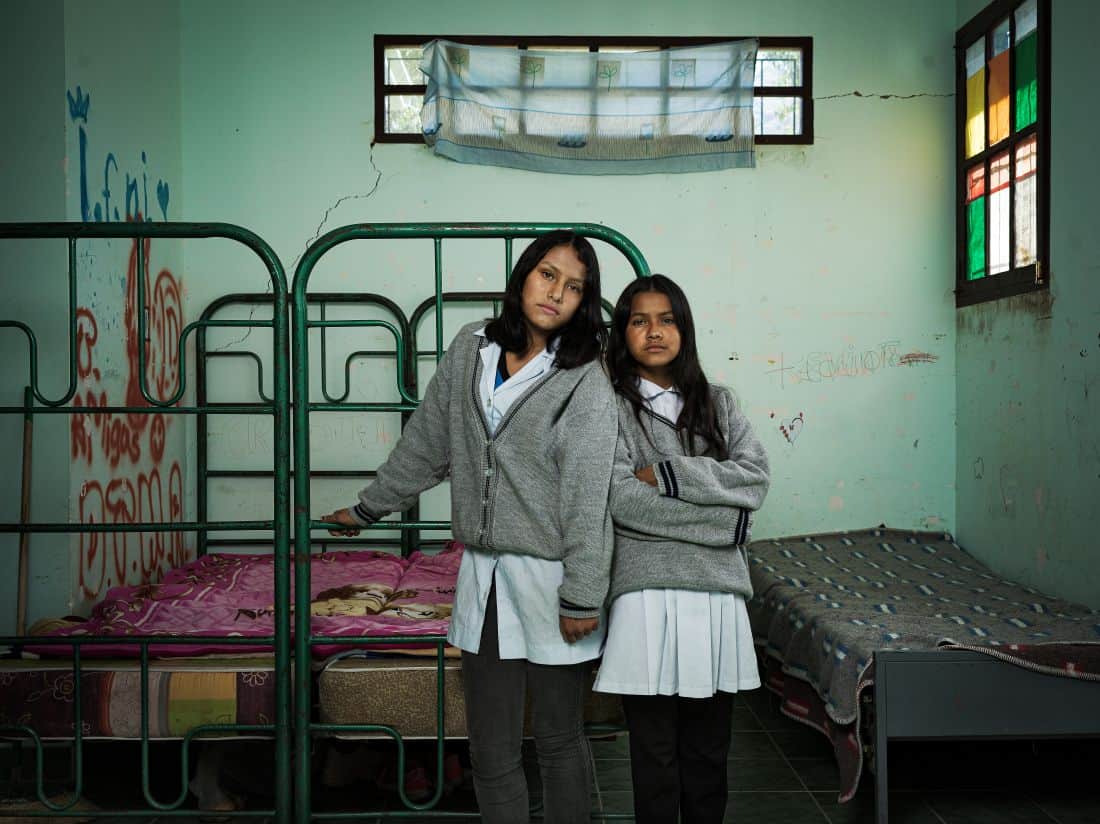
Carla, 14, and Janet, 12, attend a boarding school in Bolivia because there is no nearby secondary school in their community. © Chris de Bode / Plan International
In rural Bolivia, sisters Carla and Janet attend a boarding school far from home because daily travel is too long and too expensive. After their mother died, Carla left school for two years to care for her family before returning through the boarding program.
“Because meals are included and we don’t have to travel every day, boarding school is more affordable.”
Carla, 14, Bolivia
While separation from family is difficult, the school allows both girls to stay enrolled and continue learning.
Traveling hours to reach a quality school in Peru
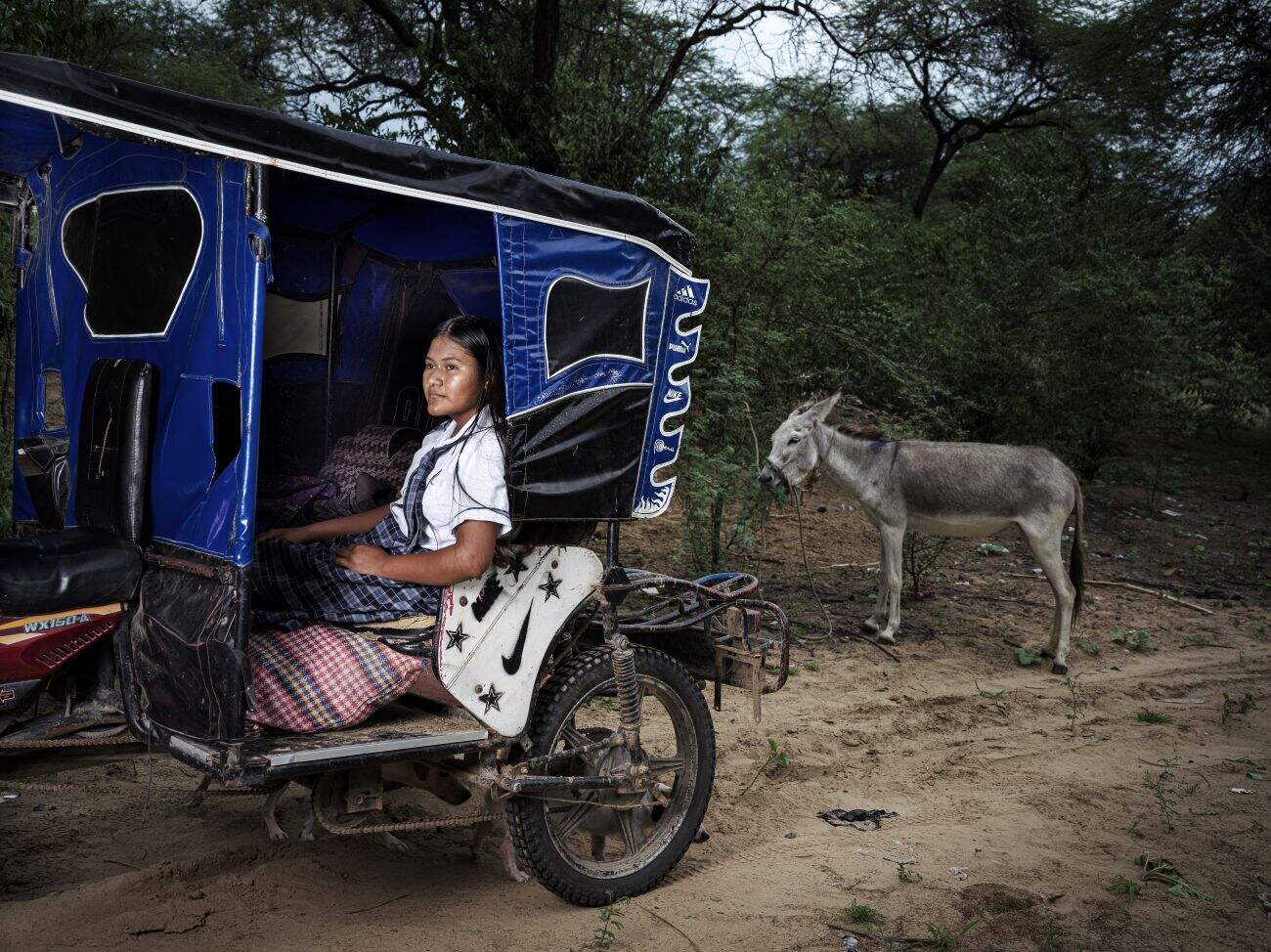
Yulitza, 16, travels more than an hour each way by motorbike to attend a secondary school in Peru. © Chris de Bode / Plan International
In Peru, Yulitza chose to attend a secondary school farther from home because nearby schools lacked teachers and consistent instruction. The daily journey is long and unreliable, with frequent breakdowns that sometimes force her to turn back.
“I want to be so many things. Maybe a psychologist, a doctor, a teacher or an accountant.”
Yulitza, 16, Peru
Despite financial pressure and doubts from her family, Yulitza remains committed to finishing school.
When schools are not built for every child
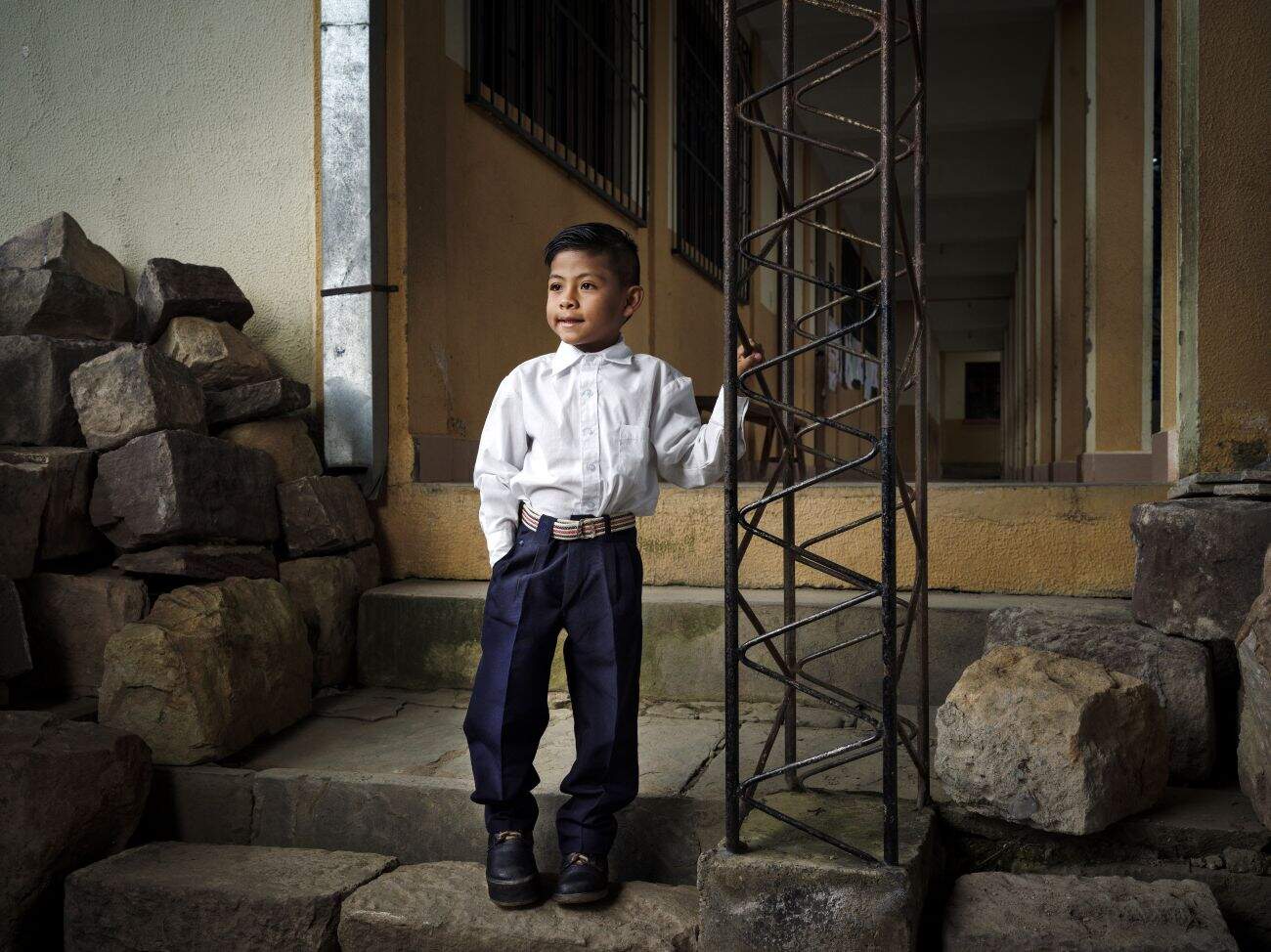
Gael, 6, attends a school in Bolivia that lacks ramps and accessible toilets. © Chris de Bode / Plan International
Six-year-old Gael has begun walking after previously relying on a wheelchair. Inside his school, the lack of ramps and accessible bathrooms turns everyday routines into obstacles.
“I wish there were ramps. I can’t go to the toilet by myself.”
Gael, 6, Bolivia
Why these stories matter
These children’s daily struggles reflect a global picture. Education systems around the world are under unprecedented strain. More than 270 million children and young people are out of school and education faces a US$97 billion annual funding gap.
When systems weaken, girls face the steepest consequences, including higher risks of child marriage, early pregnancy and gender-based violence. Education remains one of the most powerful investments a society can make. It strengthens health outcomes, economic stability and long-term peace.
About the Global Partnership for Education
The Global Partnership for Education is the world’s largest multi-stakeholder fund and partnership dedicated to transforming education systems in lower-income countries. For nearly two decades, GPE has brought together governments, civil society, teachers, youth, the private sector and philanthropy to expand inclusive, quality education for every child.
GPE supports countries to strengthen education systems, mobilize domestic financing, improve equity and efficiency and deliver lasting systemwide change. Its 2026–2030 Case for Investment calls for urgent, sustained financing to close the global education funding gap and ensure every child, especially every girl, can learn and thrive.
About the project
The Safe Horizons: Andean Alliance for Disaster-Resilient Education project is funded by ECHO and implemented by Plan International in Bolivia, Peru, Ecuador and Colombia. The initiative helps children and young people safely access education and succeed in school and beyond.
About Chris de Bode
Chris de Bode is an international award-winning documentary photographer and film director. He has worked in more than 90 countries, focusing on humanitarian and social issues.